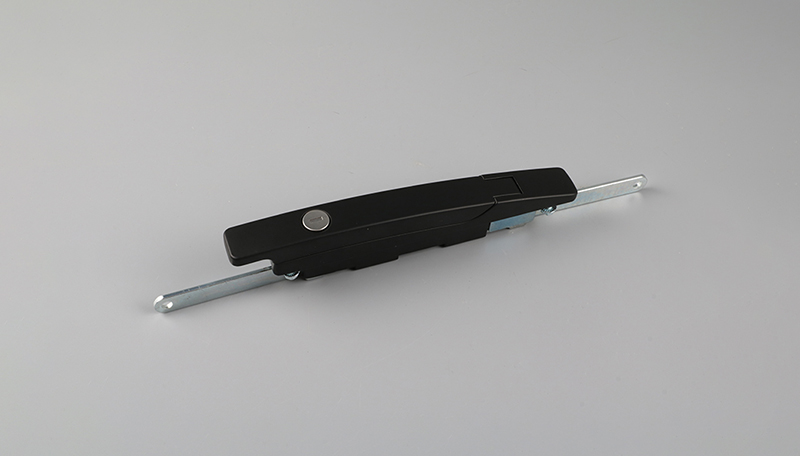
 Rod lock
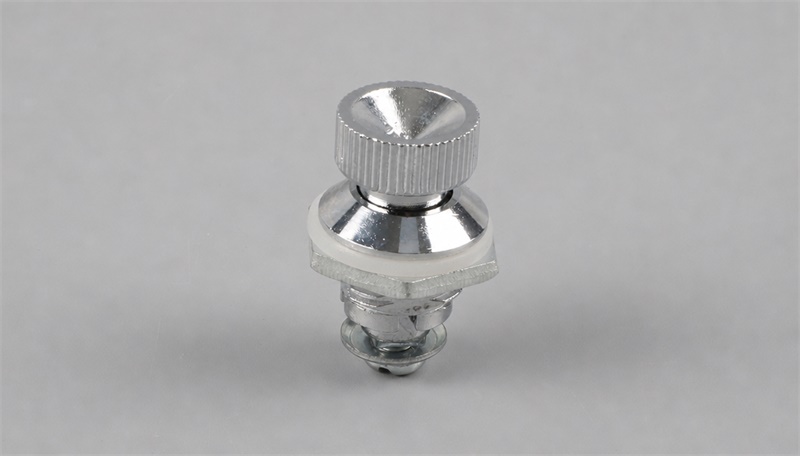
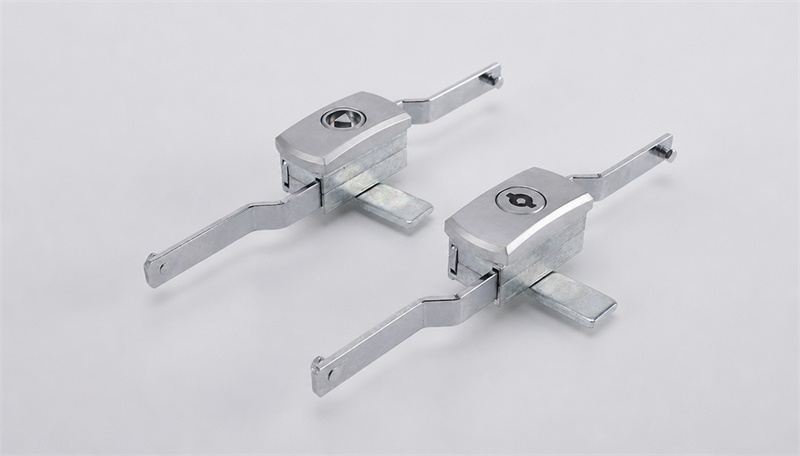
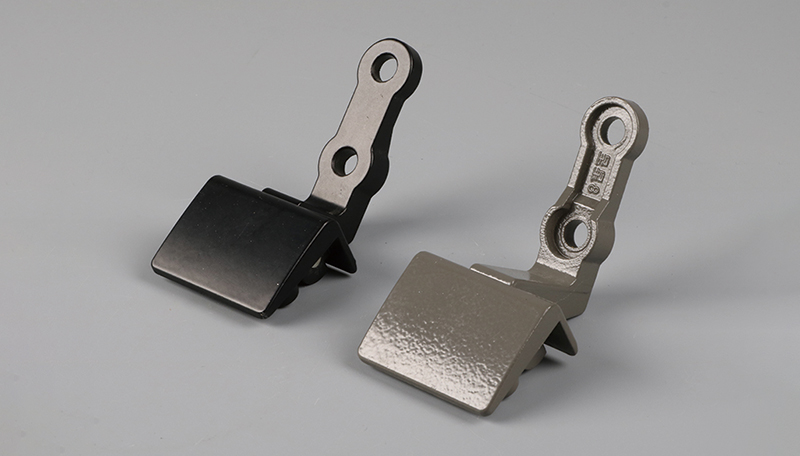
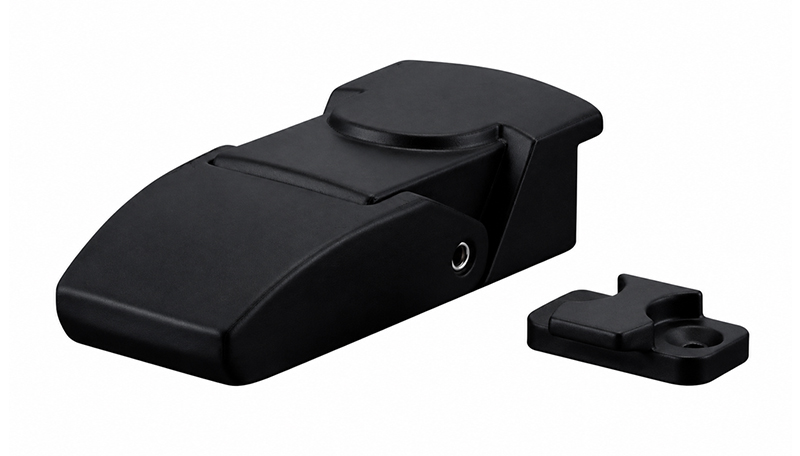
Types of Rod Locks: A Comprehensive Guide for Industrial Applications
Rod locks are an important part of the equipment used for securing and operating industrial installations, including electrical enclosures and control cabinets, recreational vehicles (RVs), and contemporary public transit systems (e.g. trains and metro cars). Rod locks are primarily designed to provide a high level of security in order to keep important systems secure while they are being used or stored. This guide will review the types of rod locks available, the use of rod locks within industrial applications, and how to select the appropriate rod lock for your requirements.
What is a Rod Lock?
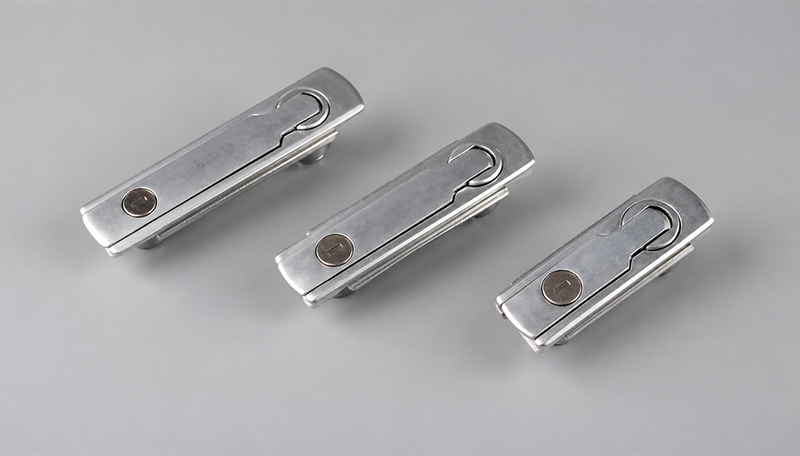
Rod locks are precision-manufactured locking devices containing a rod that moves inside the unit, and when held in place, will secure enclosure doors and/or enclosure panels. Rod locks are typically used in industrial environments because the locking mechanism has been tested for reliability and durability. Electrical cabinets utilize rod locks as they provide an added level of protection against unauthorized access, tampering and the elements to sensitive or dangerous equipment.
How Does a Rod Lock Work?
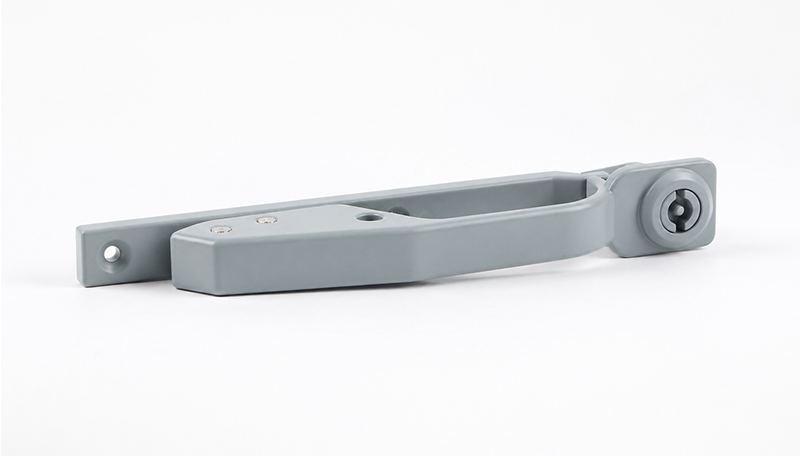
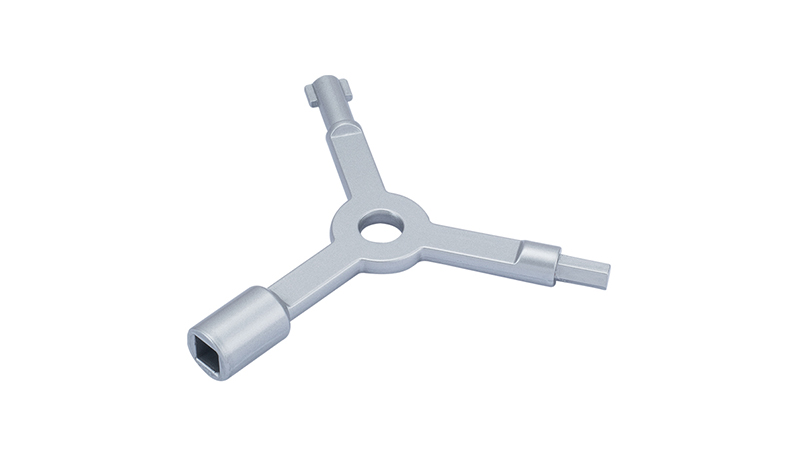
Rod locks generally consist of a central locking mechanism that has horizontal rods or vertical rods attached. When the rod locks are engaged, the rods are able to extend into slots or catches in the cabinet or door frame to prevent the panel or door from being opened. The use of a locking cylinder with a key for operating advanced rod locks will also limit access to cabinets and doors with rod locks. High-performance rod lock cylinders can withstand vibration and movement; therefore, they work well in transportation vehicles such as trains and RVs.
Key Types of Rod Locks for Industrial Use
Rod locks have many different designs to meet specific needs and location types. Below are the most popular styles of rod locks:
1. Rod Locks for Electrical Cabinets
These were designed specifically for use with power distribution boards, switchgear cabinets, and industrial control panels. They provide high-quality locking solutions to protect against unauthorized access and damage to electrical equipment. Weatherproof versions are suitable for outdoor use.
2. Transportation-Specific Rod Locks
Rod locks made for trains, trams, and RV's are designed to withstand vibration, shock, and constant movement. They are typically small, light, and made of a corrosion-resistant material for use in severe conditions.
3. Sliding Rod Locks
Sliding rod locking devices are typically designed to meet the security needs for both dual point &/or multi point locks. Sliding rod locks provide excellent security on tall cabinets by locking both top corners & bottom corners of cabinet doors at the same time.
4. Customized Rod Locks for Special Applications
Certain sectors need customized options. For instance, rod locks can be fitted with digital keypads or combination cylinders which can be used in very sensitive or restricted locations like a data centre or high-security control room to provide an additional level of protection.
Applications of Rod Locks in Industrial Environments
Rod locks serve as critical parts in many different types of industrial or transportation applications. Below are just a few examples of where rod locks are commonly found:
1. Electrical Enclosures: Protect power systems, switchboards, and circuit breakers in industrial and commercial buildings.
2. Public Transportation: Make access to electrical panels, signaling systems, or luggage compartments on trains, subways, and buses secure.
3. RVs and Campers: Secure storage compartments, utility boxes, and entry doors in recreational vehicles.
4. Industrial Machinery: To ensure operator safety and meet compliance for regulations, access panels or settings adjustment compartments on heavy equipment must be secured (locked).
How to Choose the Right Rod Lock for Industrial Use
When selecting a rod lock for an industrial application, consider the following factors:
1. Material: The durability, corrosion resistance, and ability to perform in harsh environments make stainless steel and zinc alloys very popular materials.
2. Locking Mechanism: You have three options; keyed locks, combination cylinders or electronic locks for security level and access level.
3. Rod Configuration: Evaluate if you require one point member or many point member locking system according to your cabinet or enclosure’s dimensional characteristics and are your required security levels.
4. Environmental Compatibility: When installing equipment outdoors or using a transport system, select vibration-resistant or weatherproof products.
5. Manufacturer Standards: Ensure that your rod lock meets the appropriate industrial standards (i.e., IP ratings for durability against dust and re-water ingress; related transport certifications).
Rod Lock vs. Other Locking Mechanisms
Cam locks, rod locks and compression latches are all types of industrial locking mechanisms. Cam locks provide basic security for small doors and panels; rod locks, provide a high level of security to larger enclosures through multiple locking points. Compression latches provide tight sealing for enclosures against environmental factors; however, rod locks are designed to provide a higher level of security against tampering than compression latches.
FAQs
How does a rod lock work? Rod locks can be used to secure doors/panels with the operation of a bolt (metal rods) that extend into slots/brackets by devices, such as cylinders/keypads or handles, based on the locking device.
Rod Lock vs. Rod Clamp: Key Differences A rod lock is used to secure an enclosure or door. A rod clamp is designed for holding a rod or bar steady but is not focused on providing security. The different devices used here will have different applications and purposes.
How to choose the right type of rod lock? In order to choose the best rod lock for you, evaluate the following: your specific needs, the material required, the type of enclosure available, the security requirements required and any environmental factors influencing the selection.
What is the main application of a rod lock? Rod locks are mainly found in the industrial and transport sectors, typically used to secure electrical enclosures, control panels, RV compartments and access points on trains, buses and other vehicles.
To sum up, rod locks are critical components of any industrial application or transportation system, primarily for the security and function that they provide. There are numerous variations on the types of rod locks available to meet your requirements, such as high-quality rod locks designed for electrical cabinets and vibration resistant rod locks for use on fast moving trains. By evaluating your application, environment, and level of required security, you can select the rod lock that will give you a dependable solution for many years.