
 Rod lock

Using a Handle Lock
Handle locks are effective for securing a wide variety of items and applications, such as vending machines, toolboxes, utility cabinets, and trailers. These locks are easy to use and reliable, providing a simple method of securing items with minimal complications in the overall locking process. This article will provide guidance on how to use handle locks as well as answer questions commonly asked regarding how to use handle locks and additional topics associated with handle locks that may be of interest to potential buyers and users.
What is a Handle Lock?
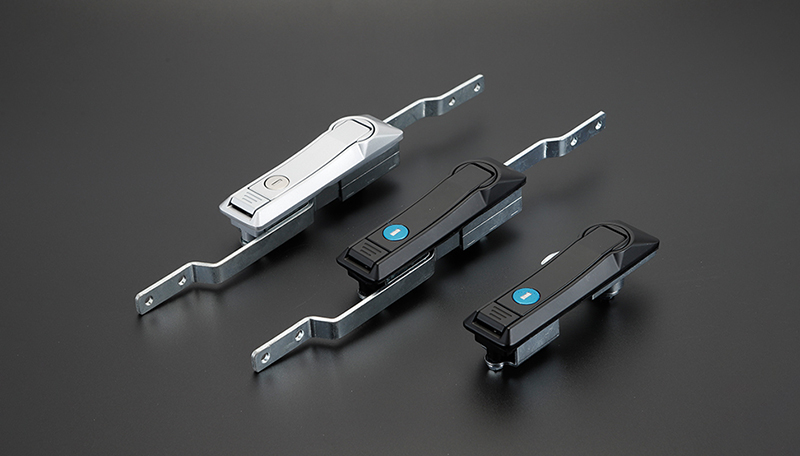
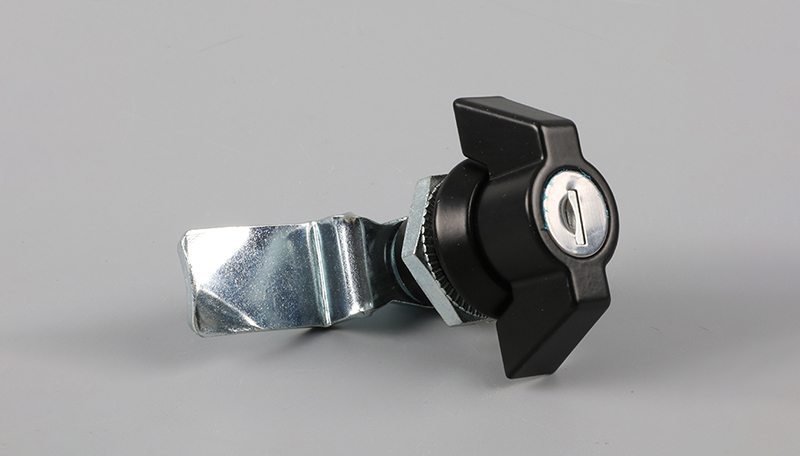
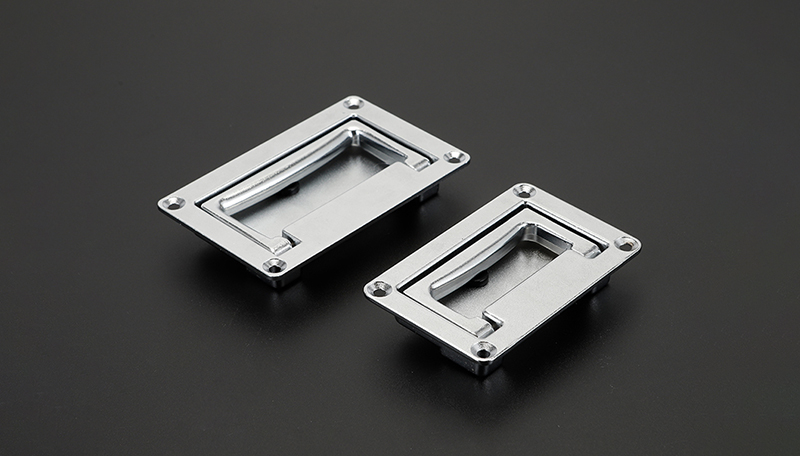
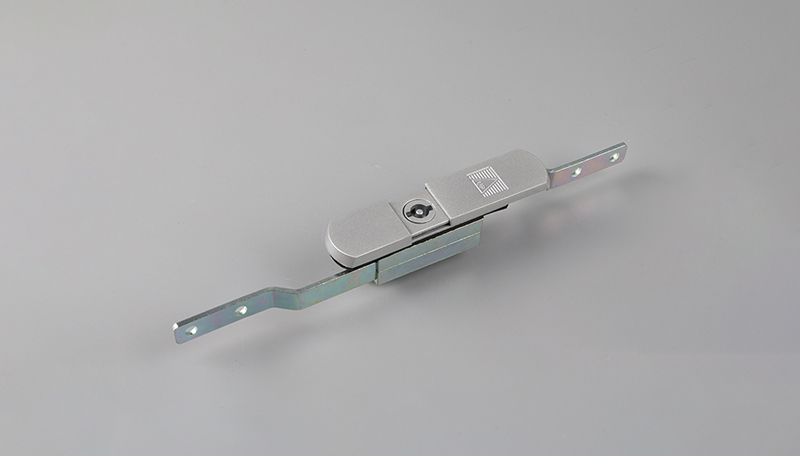
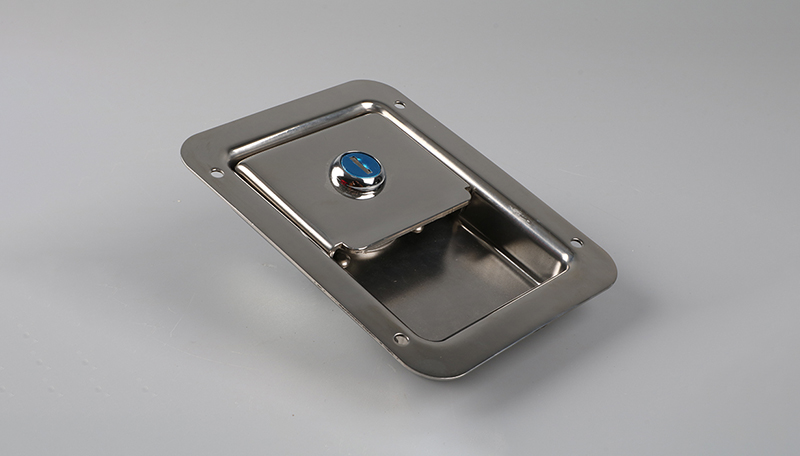
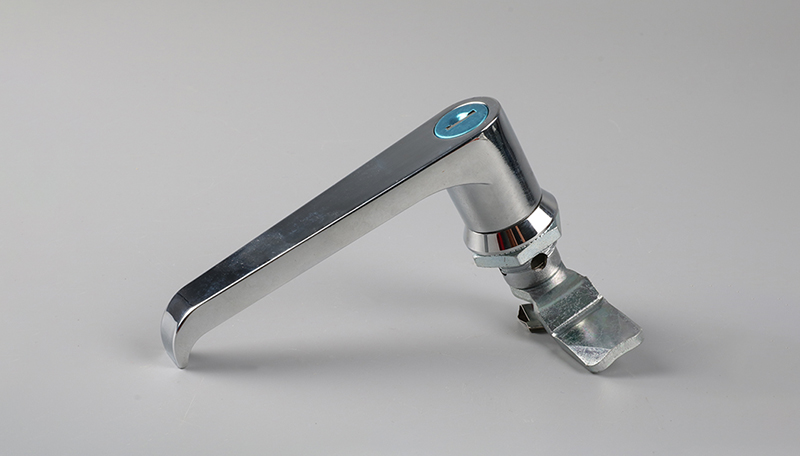
A handle lock is a type of locker with a T-shaped or lever-style handle that is used to operate the locking mechanism. This handle is shaped to allow users to grip comfortably when opening and closing the locker. Handle locks are often designed to be used in industrial or commercial applications. These locks provide durability and reliability for securing compartments, enclosures, and doors.
How Do You Use a Handle Lock?
Using a handle lock is a very simple process. To use a handle lock, complete the following instructions:
- Ensure that the handle lock has been installed properly to the door or access panel that is going to be locked. If you need installation instructions, refer to the directions included with your handle lock.
- To lock the handle lock: Turn the handle to the right (clockwise), or as described in the handle lock manual, to engage the locking mechanism. Insert the key into the handle lock to engage the lock and then remove the key.
- To unlock the handle lock: Insert the key into the handle lock and turn as described in the handle lock manual to disengage the handle lock. When you have unlocked your panel or door, you can use the handle to turn in a counter-clockwise motion to open it.
In addition to routine maintenance (cleaning and lubrication), your lock will maintain its proper operation for years.
Are Replacement Handles for Locks Commonly Found?
Yes, replacement handle locks can be purchased online or at a local hardware store. Ensure you purchase one with similar dimensions and specifications to your existing lock. Further, make sure to purchase a handle that is made from a strong material, like stainless steel or zinc alloy, in order to maintain the security of your lock and to prevent wear.
How Does a Lock with a Lever Handle Work?
Even though the design of the two types of locks is different, lever handle locks and other types of locks use the same mechanism to work. A key or thumb turn is required to unlock the lever handle lock. Once it is unlocked, the handle can be pushed down and the latch will retract to allow the door to be opened. These locks are widely used in homes, offices, and buildings that provide public access where users frequently enter and exit.
How Do I Lock a Lever Handle?
To lock a lever handle lock, turn the key (in the case of a keyed lever handle) in the cylindrical lock, or twist the thumb turn on the interior of the lever handle lock (when the lever handle has this feature). When locked, the lever handle will not turn, thereby preventing the door from being opened. This is especially convenient if you need additional security on a door, for example, a door to an office or a storage area.
What if I Don't Have a Lock on My Door Handle?
If your door handle does not have an integrated lock, there are several ways to lock the door:
- Portable door lock: Portable door lock devices can be temporarily installed on these types of doors to provide additional security when you are away from home.
- Door barricade: Door jammers or security bars can be used to prevent the door from being opened when you are inside the building.
- Replace with locking door handle: If your door is frequently accessed, you will want to replace your current door handle with a lockable handle like a lever handle lock or other locking door handle.
What Will My Needs Be When Choosing a Handle Lock?
Each situation will have its own requirements, and the correct choice of a handle lock is dependent upon your specific situation. For example, heavy-duty industrial or commercial uses generally require a high-quality product. If the handle is intended to be used approximately an hour per day (for private use, for example), a lever handle lock with a noncomplex mechanism is likely to meet your needs. When purchasing your lock, consider the level of security that you require, the complexity of operation, and the quality of the material that the lock is fabricated from.
In Closing
Handle locks are extremely versatile and reliable locking devices for securing the contents of various types of storage devices and enclosures. Knowing how to correctly use and maintain these locks will keep them dependable and useful for years to come. In addition, understanding how lever handle locking systems and other alternative locking mechanisms work will assist you in making an informed decision on which type of lock best meets your needs. In all cases, it is imperative that a quality lock is purchased, as it adds security and peace of mind to the user.
