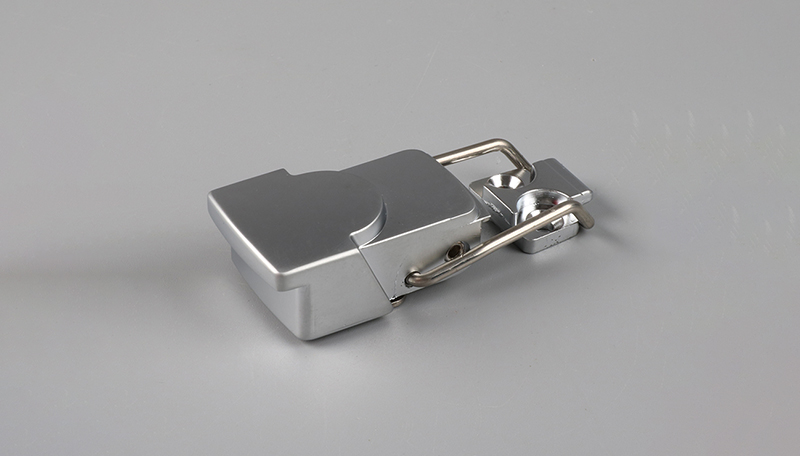
 Rod lock
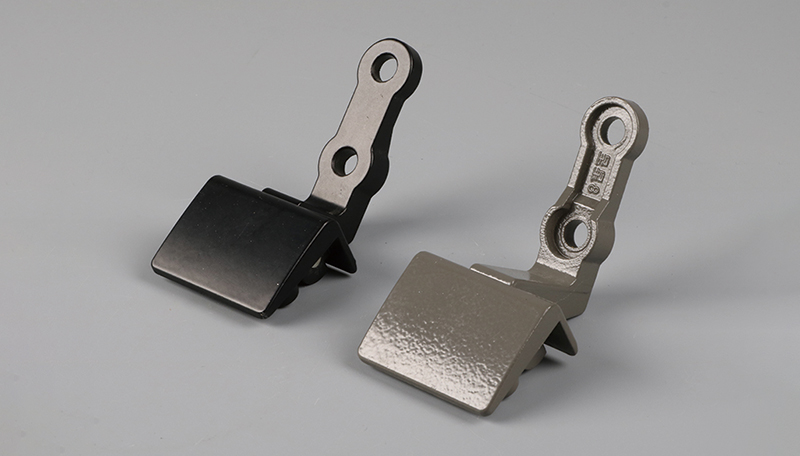
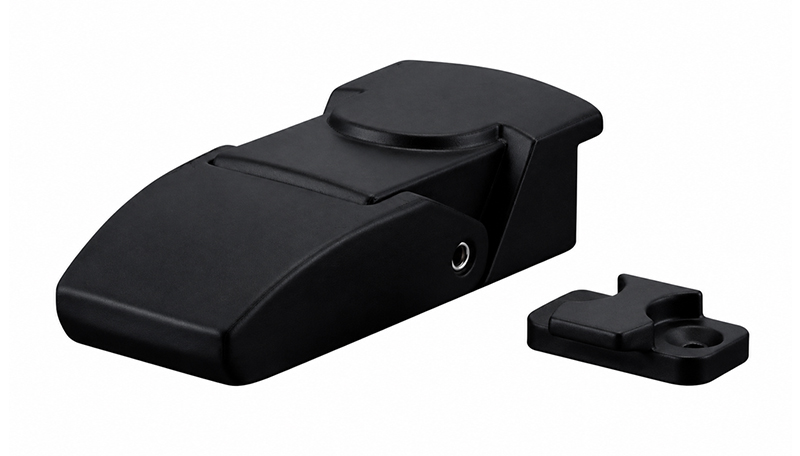
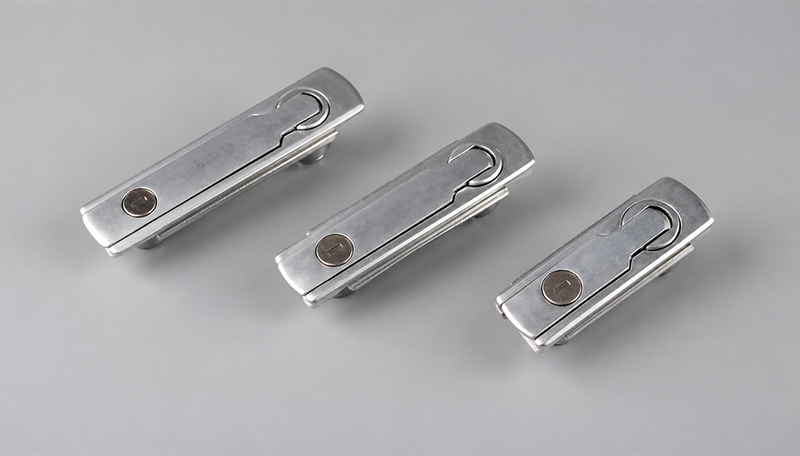
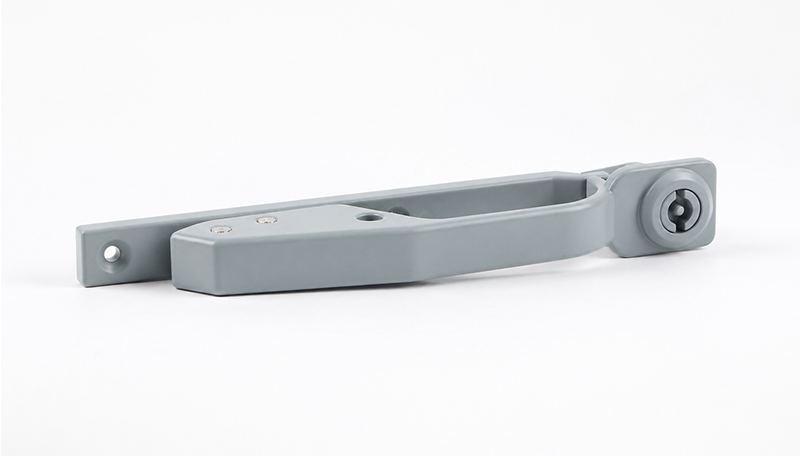
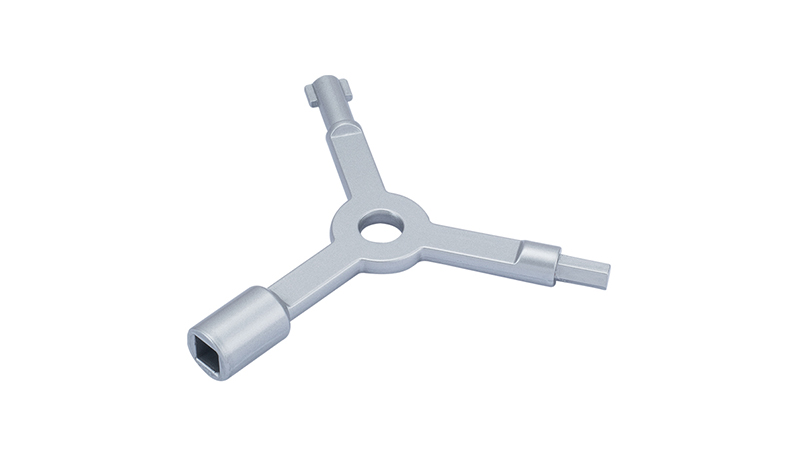
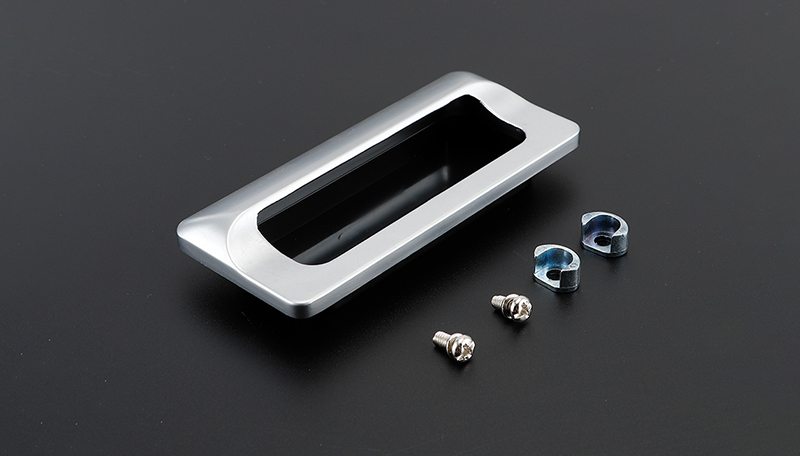
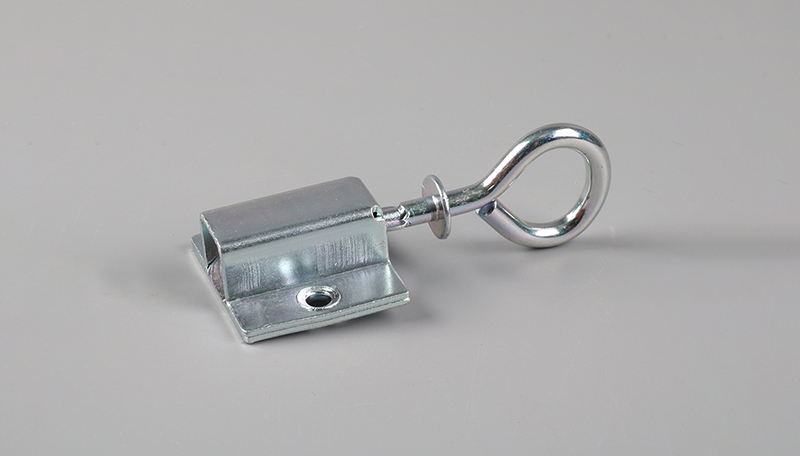
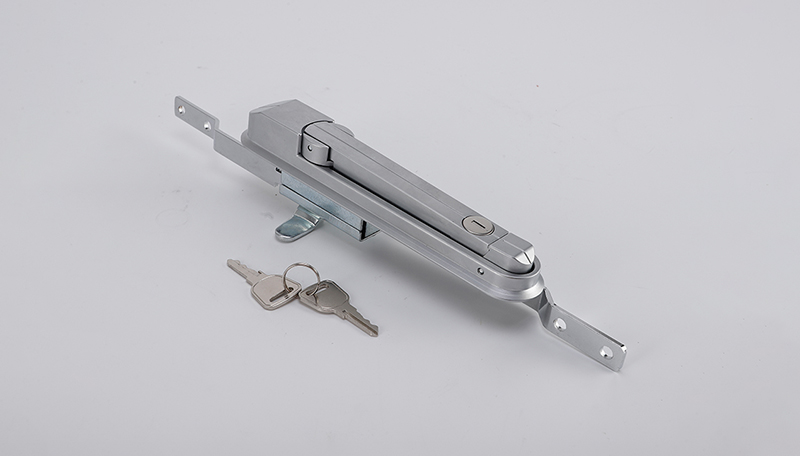
What a Buckle Lock Actually Does?
A buckle lock joins two strap ends or secures a latch and stays locked until deliberately released. Unlike a friction buckle that relies on tension alone, it adds a positive mechanical catch a spring-loaded jaw, locking tab, or gripping cam. Found on safety harnesses, cargo tie-downs, equipment cases, and industrial covers, it prevents accidental opening that could damage cargo, waste time, or cause injury. The lock turns a simple buckle into something that won't shake loose under vibration or shifting loads.
Where buckle locks earn their keep
Buckle locks sit where fastening meets safety. A flatbed strap needs one that won't creep open over hundreds of highway miles. A fall harness relies on a locking buckle that stays closed around a D-ring even if the webbing slackens. Shipping cases get stacked and dropped a buckle lock seals the lid without a padlock or zip tie. Industrial machine guards and access panels use them because they open fast for maintenance and close securely afterward.
Marine environments add salt spray, constant motion, and UV. Stainless steel or marine-grade polymer buckle locks handle these without rusting or turning brittle. The same goes for outdoor equipment event tents, temporary structures, agricultural covers where wind can work a standard buckle open in hours.
Key features that separate a reliable buckle lock from a basic buckle
A buyer comparing buckle locks quickly spots the difference between something built for light-duty luggage and something built to hold a load. A few design elements indicate which category the product falls into.
- Positive locking mechanism:The defining feature. A spring-loaded latch, snap-over cam, or threaded lock collar that stays engaged even when strap tension drops. A slack strap should hold just as securely as a loaded one.
- Load rating and breaking strength:Serious buckle locks carry a marked working load limit and minimum breaking strength. Ratings must cover the expected load with an appropriate safety margin. Lifting and fall protection demand higher safety factors than cargo containment.
- Material and finish:Stainless steel handles marine and chemical exposure without chipping plating. Zinc-plated steel suits indoor use at lower cost. Die-cast zinc and reinforced nylon serve consumer and light industrial needs. Year-round outdoor use makes material choice the deciding factor for long-term function.
- One-hand versus two-hand operation:Operators often need to engage or release the buckle lock with one hand while holding a load or tool. Single-handed operation speeds up work and encourages proper use.
- Gate or jaw opening width:The opening must accept the mating pin, bar, or strap end without the user having to force it at an awkward angle. Forcing a tight fit introduces side load that wears the pivot and eventually creates play.
Common buying mistakes and how to avoid them
- Assuming all stainless steel is the same:304 works inland. Near saltwater, 316 with added molybdenum is the safer pick. The small cost difference beats replacing corroded hardware after a failed inspection.
- Ignoring the spring material:The lock depends on a spring. A stainless body with a plain steel spring inside hides a corrosion point. Ask if the spring matches the body or is at least plated and rated for the same conditions.
- Skipping the load rating:Not every buckle lock is load-rated. For suspended weight, lifting, or personnel safety, insist on a documented working load limit. A listing that avoids mentioning capacity is a warning sign.
- Buying to the exact size without checking the striker fit:The body may match the strap width, but the jaw must clear the pin, D-ring, or latch plate. A tight fit forces twisting and jamming, accelerating wear and risking partial engagement.
Buckle lock versus cam buckle versus ratchet where each fits
A cam buckle uses friction to hold a strap; it releases the moment tension drops or the cam lifts. A ratchet buckle tightens strap tension mechanically but adds bulk and weight. A buckle lock sits between them: more secure than a cam buckle, lighter and faster than a ratchet, and suitable for applications where tension is important but the primary requirement is a connection that stays closed without constant monitoring. That profile fits safety harnesses, case latches, equipment tie-downs, and guard closures better than either alternative.
Practical guidance for ordering
Start by defining what the buckle lock holds, how often it cycles, and where it lives. A shipping case opened twice a month in a dry warehouse needs something very different from a safety lanyard clipped dozens of times per shift on a wind farm.
Measure the strap width or latch plate thickness. Confirm the mounting style surface mount, strap loop, or threaded post. Check if the buckle will be operated with gloves, which affects release tab size and opening force.
For critical applications, ask for a test certificate or datasheet showing the working load limit and testing standard. Suppliers who provide this without hesitation understand a buckle lock isn't just bent metal or molded plastic it's a component someone's safety or cargo depends on.
Summarize
A well-chosen buckle lock does nothing dramatic. It holds a case shut during a cross-country truck ride. It keeps a harness connected during a moment of lost footing. It secures a machine guard through thousands of start-stop cycles. Nobody notices it because it never fails. The only time anyone thinks about a buckle lock is when a cheap, mismatched, or poorly sized one lets go. Getting the material, the lock mechanism, and the load rating right at the time of purchase is what keeps it invisible and that invisibility is the whole point.