
 Rod lock

What a Cam Lock Does Inside an Enclosure?
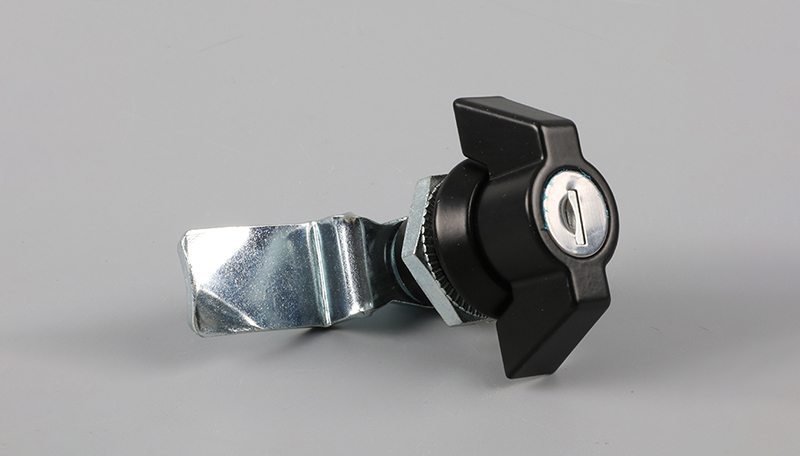
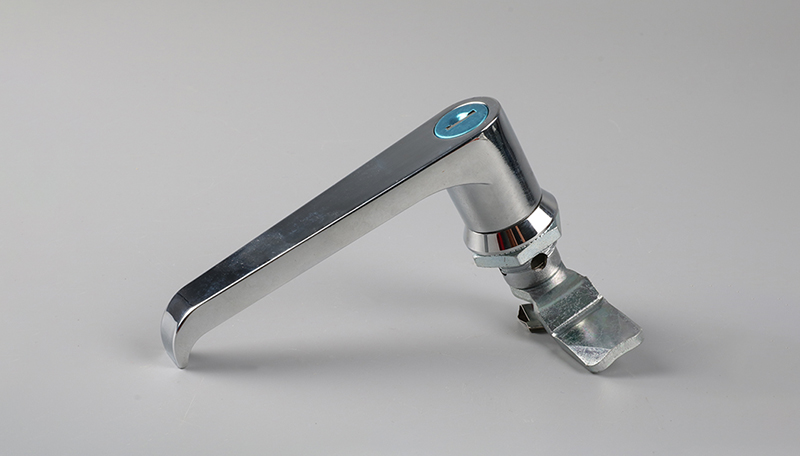
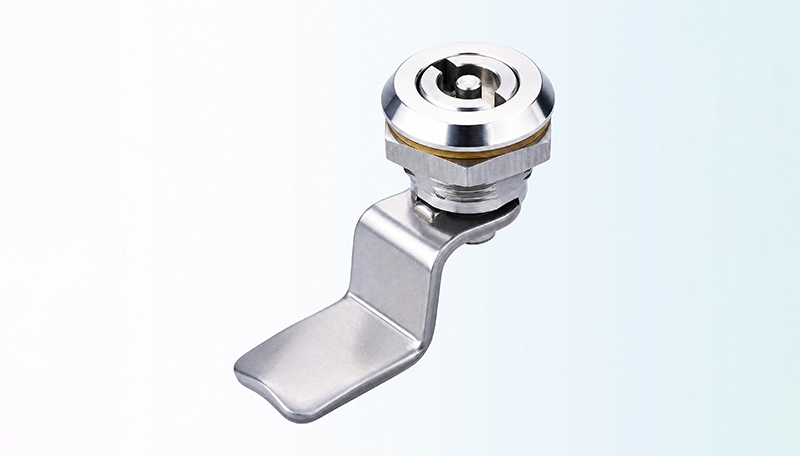
A cam lock secures a panel by rotating a flat metal cam behind the enclosure frame. The body mounts through a hole in the door, the cam attaches to the rear of the cylinder, and turning the key swings the cam into or out of engagement. With only three main parts cylinder, cam, and mounting nut it appears on millions of electrical cabinets, equipment hatches, and sheet metal enclosures wherever lockable access panels are used.
Where This Simple Mechanism Fits Best
A cam lock fits thin-gauge metal doors that sit flush against a rigid frame and need only a light latch not heavy clamping force. The rotating cam draws the door toward the frame by a few millimeters at most, making it the default for electrical cabinets, distribution panels, server racks, and machinery covers where a gasket needs light compression rather than the aggressive squeeze of a lever or screw clamp. For enclosures with a tight mechanical fit, the cam lock does one job: it stops the door from swinging open. It won't correct a warped door or flatten a bowed panel, and it shouldn't be asked to solve a fit problem.
Cam Shapes and the Difference They Make
The cam itself is a flat steel piece with an offset mounting hole and a profile that determines how it engages the frame. Different cam shapes solve different reach and engagement conditions:
- Straight cams work when the lock mounts close to the frame edge and the cam only needs to rotate 90 degrees to catch.
- Offset cams reach further behind the frame, useful when the lock sits deeper in the door or the frame has a wide lip.
- Hook cams wrap around a frame edge or a striker bar, providing a positive latch that resists being shaken open by vibration far better than a straight cam that only overlaps the frame by a few millimeters.
Cam length and offset are not universal. The distance from lock center to frame edge, door thickness, and frame lip depth dictate which cam shape and size will engage properly. Too short and the cam misses the frame. Too long and it bottoms out before full rotation, leaving the door loose or the key unable to turn completely.
Material Choices That Match the Environment
A cam lock lives in whatever environment the enclosure faces. Indoors, a zinc alloy body and plated steel cam run for decades. Outdoors, the same lock can seize within a season as rainwater enters the keyway and corrodes the tumblers. For wet, coastal, or chemical exposure, stainless steel bodies and cams eliminate that risk. Engineered polymer locks suit food processing and labs where metal corrosion or sparking is a concern. The keyway itself can be an entry path an open slot works indoors, but outdoor cabinets need a spring-loaded dust shutter that blocks rain and grit while letting the key slide in. That small detail separates a lock that turns smoothly after five winters from one that demands penetrating oil and a hard twist every time.
Installation That Prevents the Most Common Callbacks
Mounting hole diameter and panel thickness are not suggestions. A cam lock body fits a precise hole typically round or double-D to prevent rotation under torque. A round hole where a double-D is specified lets the lock spin once the nut loosens, as does an oversize hole in soft aluminum or plastic. The stamped thickness range is what the threads can clamp; a lock rated for 1 to 2 mm panels won't hold on 0.8 mm without a backing washer, and one installed on thicker material lacks thread engagement to keep the nut secure. Tighten to firm hand torque plus a light wrench bump overtightening strips zinc alloy threads or cracks the housing, and on stainless locks it can deform the door skin around the hole, creating a lip that stops the cam from swinging freely.
Keying Options That Fit the Facility
Cam lock keying determines who can open which cabinet and how many different keys the maintenance team carries. The choices range from simple to managed:
- Keyed alike:Every lock in a group uses the same key. One key opens every electrical panel in a motor control center or every hatch on a row of identical enclosures.
- Keyed different:Each lock has a unique key, used where cabinets in separate areas or different operators must not be accessed with a shared key.
- Master keyed:A master key opens every lock in a group, while individual keys open only their assigned lock. Common in facilities where shift supervisors carry a master key and technicians carry zone-specific keys.
- Interchangeable core:The cylinder containing the tumblers can be removed and replaced without removing the lock body from the door. When a key is lost or an employee leaves, re-keying takes minutes and does not disturb the cabinet mounting.
Choosing the keying structure before ordering the locks saves the cost and time of replacing random-keyed locks later when the facility decides it needs a master key system and discovers the existing cylinders will not support it.
A Lock That Earns Its Place Through Simplicity
A cam lock lacks the presence of a swing handle or the complexity of a rod system. For a sheet metal door that fits well and only needs a positive latch, more hardware adds cost without benefit. Specified correctly right hole, right cam reach it cycles reliably for years. Where water, dust, or corrosive air appear, a stainless body and sealed keyway extend that reliability without changing the install. The cam lock stays the simple, serviceable answer for panels that need to be held shut, not cranked shut.
