
 Rod lock

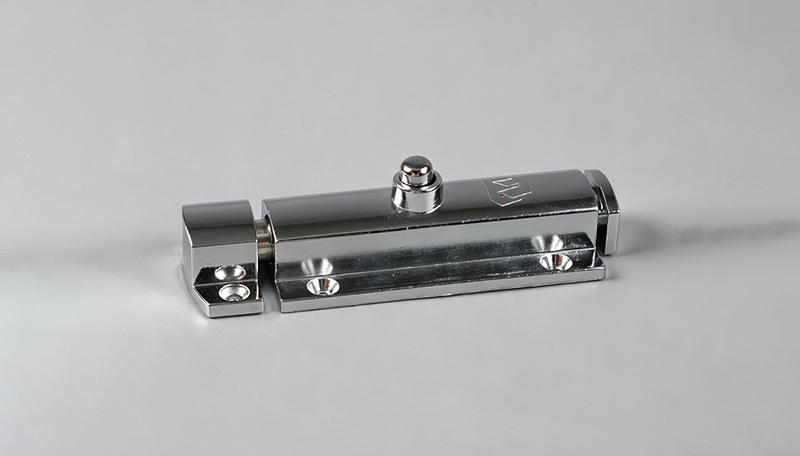
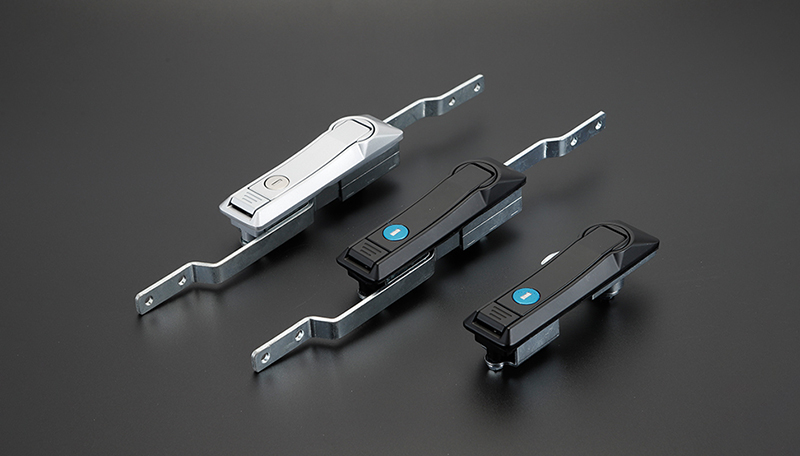
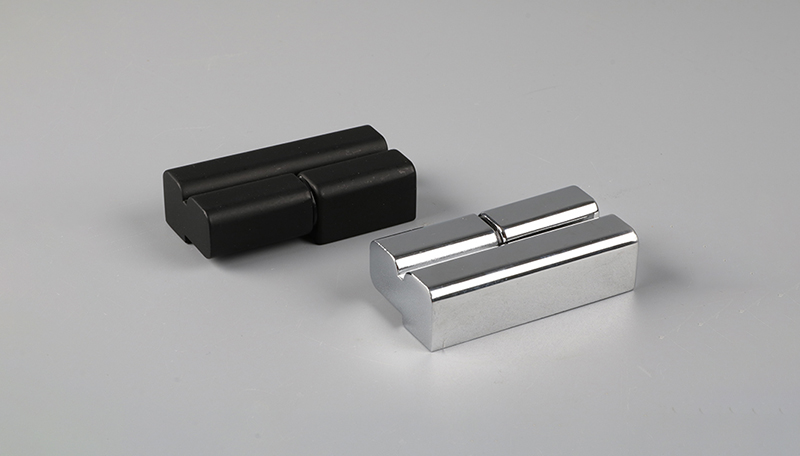
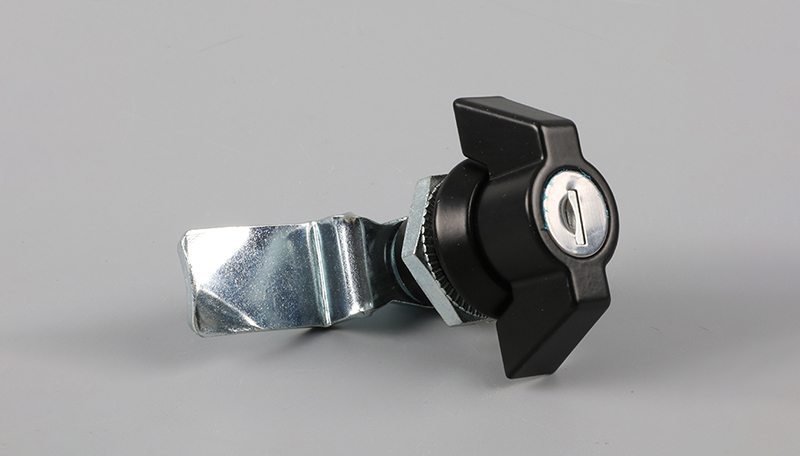
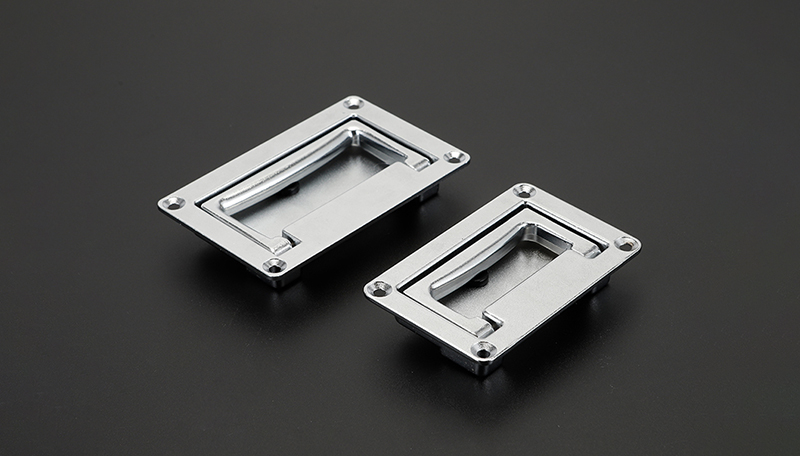
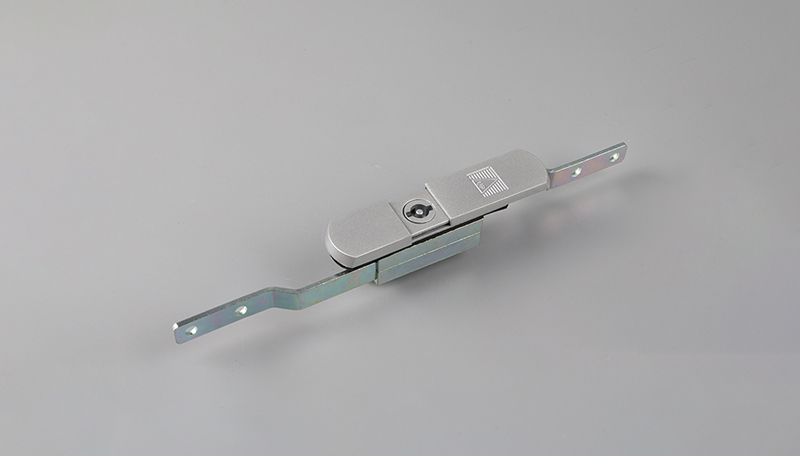
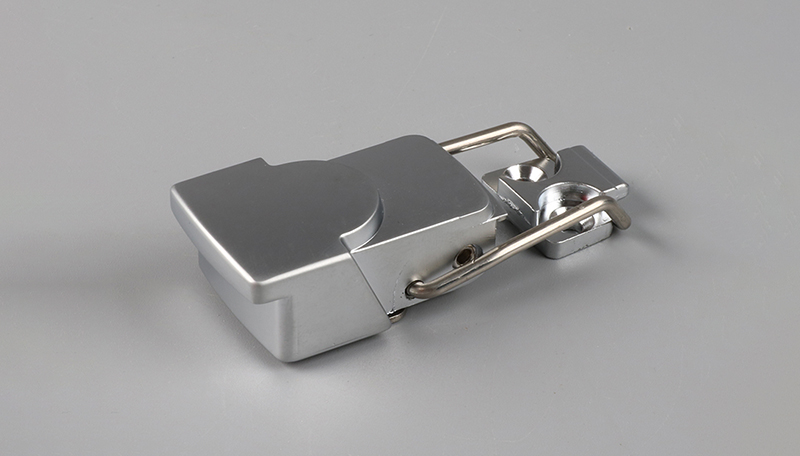
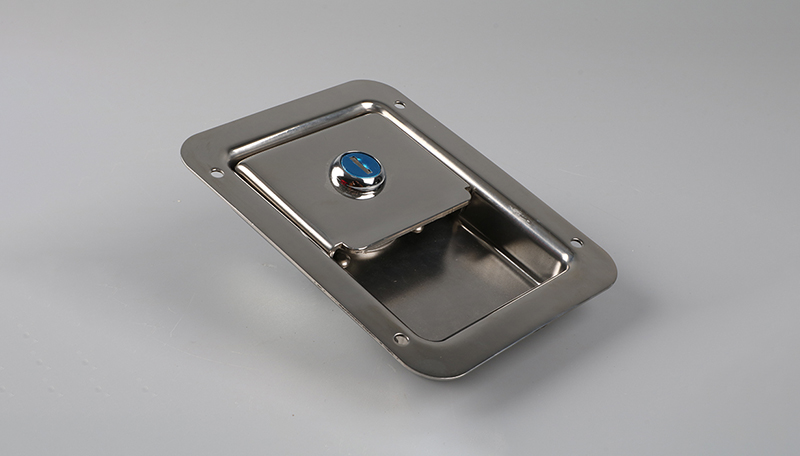
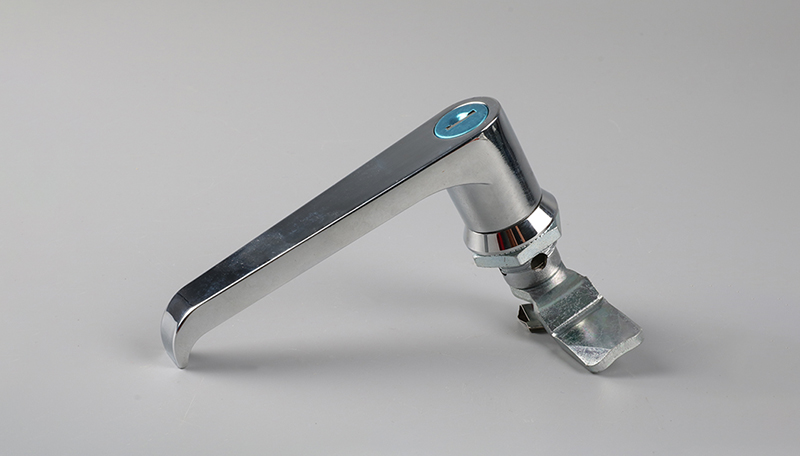
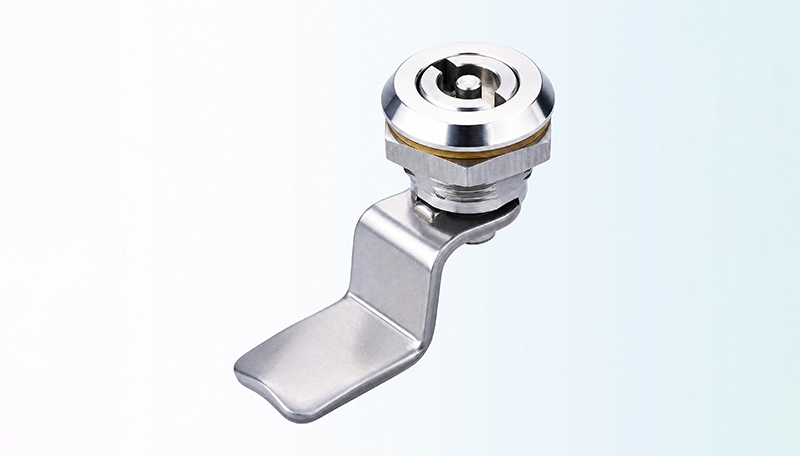
What a Handle Lock For Cabinet Does ?
A handle lock for cabinet merges a door handle and a keyed lock into one unit that fits a single cutout. Instead of installing a separate handle plus a cam lock or padlock hasp, you mount one piece. Turning the handle opens the door; turning a key locks the handle so it cannot move. It puts access control right where a person naturally reaches ideal for electrical enclosures, server racks, industrial panels, medical cabinets, and outdoor equipment housings.
Where handle locks for cabinets are used
A handle lock for cabinet is used wherever a door must stay shut against unauthorized access, accidental opening, or weather. Industrial panels rely on it for lockout-tagout and to keep unqualified personnel away from live components. Server racks protect cables and equipment from tampering in shared spaces. Medical cabinets meet drug security and privacy rules. Vending machines and kiosks secure product and cash between service visits. Outdoor telecom and traffic enclosures need one that resists rain, dust, and temperature swings while keeping sensitive electronics dry.
Key features that separate a good handle lock from a basic one
- Locking mechanism type:Options include pin tumbler cylinders, combination dials, and quarter-turn or three-point rod systems. Keyed-alike setups let one key open every cabinet on site, simplifying key management. Combination locks remove the key but require a remembered or securely logged code.
- Material and durability:Die-cast zinc offers strength at reasonable cost and plates well. Stainless steel handles marine, food processing, and outdoor exposure without rusting. The handle should feel solid with minimal shaft play after installation.
- Rod and multi-point closure:Many cabinets use rods that throw bolts into the top and bottom of the frame when the handle closes, compressing the gasket evenly. A handle lock compatible with the existing rod system avoids drilling new mounting holes.
- Environmental sealing:For outdoor or washdown cabinets, look for an IP65 or higher rating on the lock assembly. This keeps dust and water out of the cylinder, preventing internal corrosion and the sticking that comes with it.
- Installation fit:Most handle locks fit a standard rectangular or circular panel cutout and secure with a nut or a few screws from inside the door. Matching the cutout to an existing standard avoids cutting metal on site.
Handle lock versus other cabinet locking methods
A padlock hasp adds an external piece that rattles and catches on clothing. A separate cam lock requires a second cutout and a second piece of hardware. A handle lock for cabinet puts the latch, pull, and lock cylinder into one assembly that uses the same cutout a non-locking handle would use. For panel builders and equipment OEMs, this means one cutout, one part to inventory, and a cleaner finished appearance.
For the end user, the difference is speed and simplicity. The operator turns the handle to open, closes the door, and turns the key to lock without moving a hand to a different location on the cabinet. When a cabinet is opened and closed dozens of times per shift, that small efficiency adds up.
Common mistakes when specifying a handle lock
- Overlooking door thickness:The lock assembly clamps to the door panel within a specific thickness range. A handle lock designed for thin sheet metal may not tighten properly on a thicker composite or gasketed door. Measure first.
- Skipping the keying plan:A random key code ordered in isolation creates a mess when the facility uses a master-key system. Decide on keyed-alike, keyed-different, or master-keyed before placing an order.
- Ignoring handedness:Some handle designs are handed, meaning they swing left or right only. Confirm the door swing direction and check the lock's compatibility.
- Forgetting the rod kit:A handle lock sold without rods assumes an existing compatible rod system. If the cabinet needs multi-point closure, order the handle and rod kit together to avoid a mismatch.
How to choose the right handle lock
Start at the cabinet: note the cutout shape and dimensions, measure door thickness, and define what needs keeping out casual hands, forced entry, dust, or water. Then consider the user and cycle frequency. A monthly maintenance check is different from twenty cycles a shift; for heavy use, choose a smooth pivot and a cylinder that doesn't demand precise key alignment. Finally, match the material to the environment. Indoor spaces take zinc or plated steel. Outdoor, marine, or washdown areas need stainless steel with sealed cylinders and drain holes.
Summarize
A handle lock for cabinet goes unnoticed until it fails. When it works, it swings smoothly, latches with a solid click, and locks with a quarter turn keeping out dust, moisture, and unwanted hands. A cheap or mismatched lock that sticks invites a screwdriver and a bent door. One seized by rust gets drilled out. Spending a few minutes on material, cutout fit, keying, and environmental rating at the spec stage prevents all of that. For the panel builder, OEM, or maintenance buyer, the reward is a cabinet that cycles thousands of times without a second thought.
