
 Rod lock

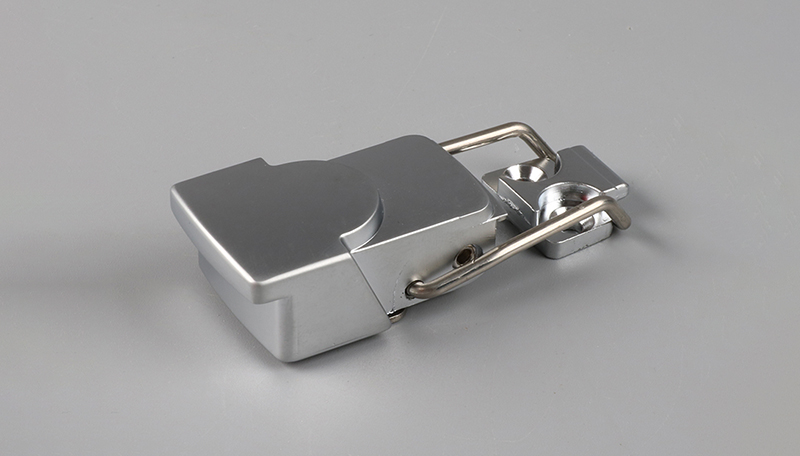
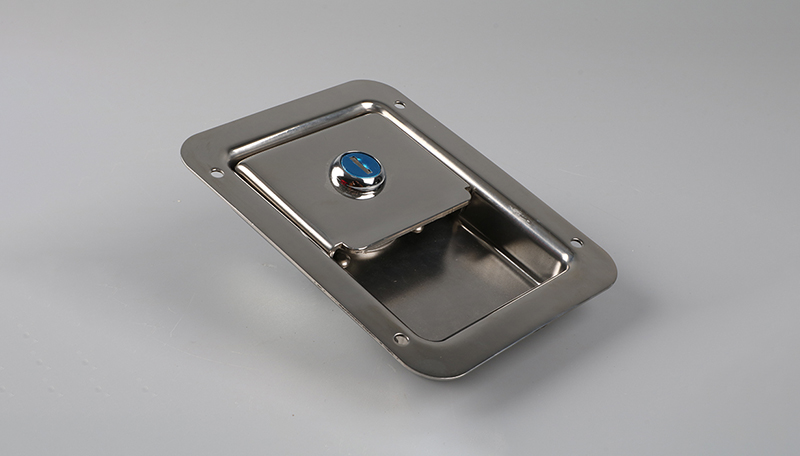
What a Lock Rod Does and Why It Matters?
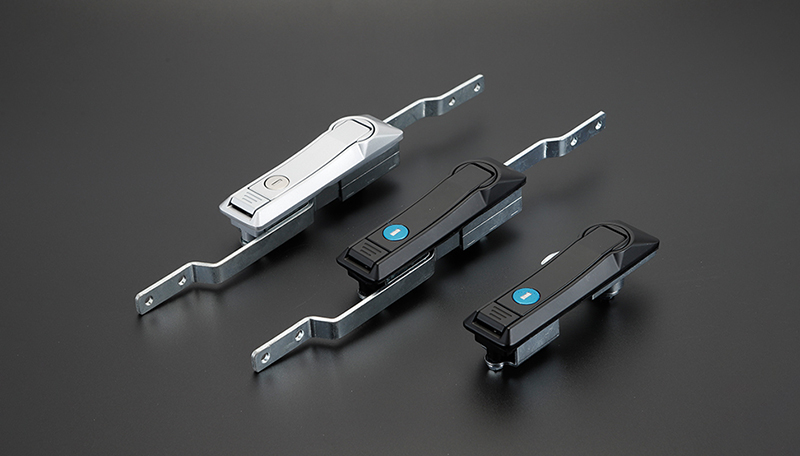
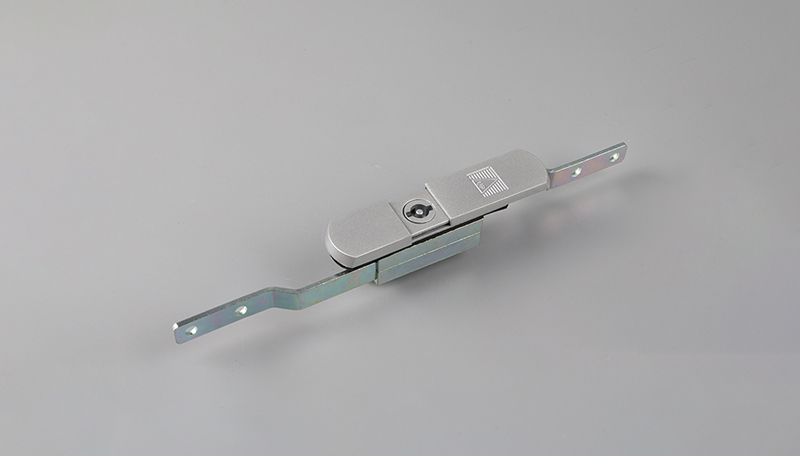
A lock rod is a simple metal bar that translates the turning motion of a handle or key into multi-point cabinet security. Instead of holding a door shut at one spot, it slides up, down, or sideways into the cabinet frame, distributing the closure force across two or more contact points. For enclosures, vehicle compartments, and industrial furniture, that extra grip tightens door edges, quiets rattles, and reduces the warping that single latches often allow.
How a Lock Rod Assembly Works in Practice
The rod itself is usually a length of steel round or flat, depending on the lock mechanism driving it. One end connects to the central lock body or handle hub. The other end slides into a keeper, roller catch, or strike plate mounted on the cabinet frame. When the operator turns the handle, the rod moves linearly rather than rotating, pushing the tip into or out of engagement.
It sounds basic, and that is the point. A lock rod does not rely on tight pivots or delicate springs. It takes the reliable action of sliding steel and applies it to cabinet security. Because the rods can be cut to length on site, they adapt to different door heights and enclosure styles without needing custom lock assemblies for every cabinet dimension.
Where a Lock Rod Setup Works Best
Multi-point locking shows its value in situations that punish single latches. Some common examples:
- Tall electrical enclosures: A lone latch near the handle lets the top and bottom corners drift. Matching lock rods pull the entire door flush against the gasket.
- Vehicle storage boxes: Road vibration shakes standard cam locks loose over time. Rods engaging at multiple frame points keep hatches quiet and shut.
- Industrial lockers and tool cribs: Large doors that get bumped by carts or forklifts stay aligned when rods distribute the impact force across the structure.
- HVAC access panels: Air pressure differentials push against thin metal doors. Multi-point rods prevent bowing and seal leakage.
Server and network racks: Gasketed doors meant to keep dust out need even pressure around the perimeter to do their job.
The common thread is stability. If a cabinet door flaps, rattles, or shows daylight at the unlatched edge, adding or upgrading the lock rod system often solves it without replacing the entire enclosure.
Choosing the Correct Rod Material and Diameter
Rod material and thickness depend on the environment and the load. Zinc-plated steel handles most indoor industrial settings at a low cost. For outdoor or washdown areas, stainless steel lock rod stock resists rust and keeps the sliding action smooth over years of weather exposure. Rod diameter needs to match the lock body drive slot exactly too thin and the connection develops play; too thick and the rod will not seat or move freely.
A quick pre-order checklist helps avoid mismatches:
- Verify the rod diameter the lock mechanism expects.
- Confirm whether the rod cross-section is round or flat bar.
- Measure the full travel distance the rod needs to move from locked to unlocked.
- Match the rod length to the door height, adding enough extra to fully engage the keeper without bottoming out.
Cutting and Fitting Tips That Save Headaches
Undersized rods pop out under load. Oversized rods jam. The right practice is to measure each rod with the door closed and the lock in the locked position, marking the rod where it meets the keeper. Leave a healthy engagement depth, then cut. Many fitters leave rods a fraction long and grind them to exact length during installation rather than risking an irreversible short cut.
Deburring both rod ends matters more than it appears. A burr inside a nylon guide bushing or against a steel keeper plate creates friction that makes the lock feel rough. A quick file pass and a light polish on the tip keep operation smooth. For vertical rod setups, a drain hole at the bottom of the guide channel prevents water from pooling around the rod tip in outdoor cabinets.
Routine Maintenance That Extends Service Life
A lock rod that works flawlessly during installation can grow stiff over time if the sliding surfaces are ignored. A light spray of dry lubricant on each rod length every few months, or during scheduled cabinet inspections, keeps motion easy without building up a sticky film that attracts dust. Checking keeper alignment takes seconds and catches loosened fasteners before the rod starts missing the catch and letting the door hang loose.
Where rods pass through guide brackets or nylon blocks, a quick glance confirms the bushing is still intact. A worn bushing allows side play that eventually widens the rod channel and makes the lock point feel sloppy.
A Small Part That Carries a Big Responsibility
A lock rod is not a complicated piece of engineering, and that is its strength. It does not need electronics, does not wear out quickly, and does not demand frequent adjustment when the installation is done right. For anyone managing a fleet of cabinets that rattle, sag, or fail to seal, the fix is often sitting on a hardware shelf a pair of steel rods and a handful of keepers that turn a flimsy single-speed latch into a solid closure system. When security and cabinet life both matter, this understated component earns its keep.
