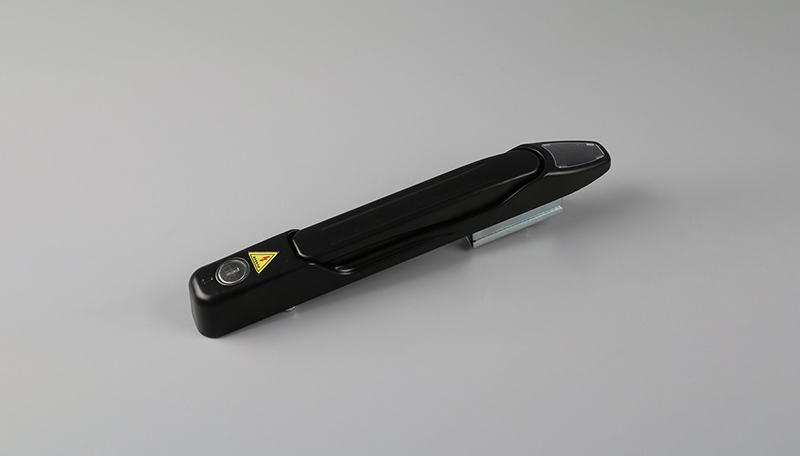
Rod lock

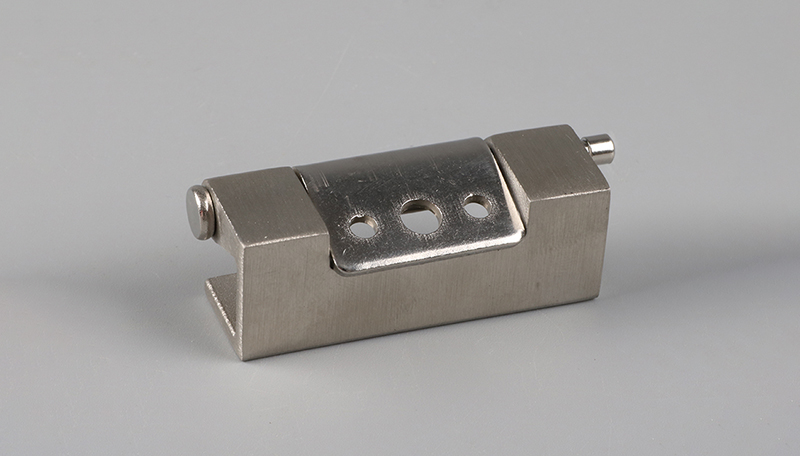
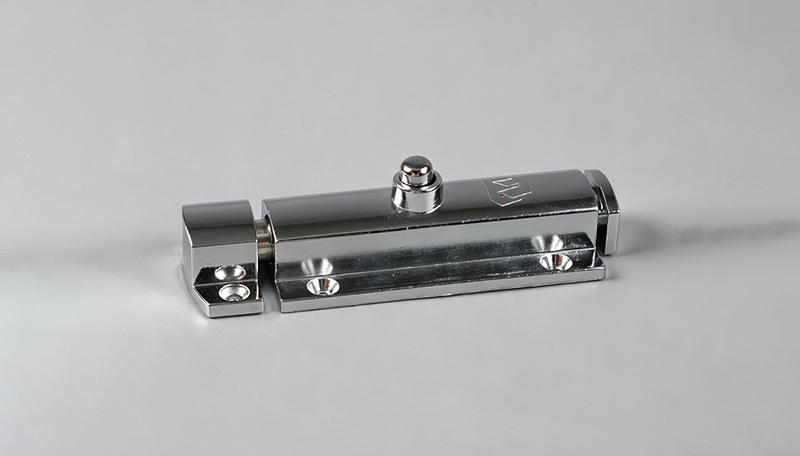
What an Industrial Lock Needs to Handle Every Shift?
Industrial locks secure cabinet doors, equipment enclosures, machine guards and access panels in factories, power rooms and outdoor sites. Compared with ordinary commercial locks, they feature higher material strength, corrosion resistance and long-cycle durability in dusty, wet and high-vibration environments. Lock failure may lead to unsecured electrical panels, open machine guards, or rain-damaged roadside cabinets that remain unnoticed for a long time.
How Industrial Locks Differ from Standard Hardware
Material is the core difference. Industrial lock housings are mostly zinc alloy die-cast or stainless steel, stronger and more wear-resistant than thin stamped steel or brass used for indoor furniture locks. Stainless steel versions deliver excellent anti-corrosion performance for coastal areas, food washdown zones and chemical plants.
Internal mechanisms are engineered for frequent repeated operation. Unlike rarely opened indoor cabinet locks, industrial locks on CNC machinery and factory equipment are operated multiple times per shift. Heat-treated internal tumblers, springs and cam structures ensure stable performance without looseness or jamming after long-term use.
Professional weatherproof sealing is essential for outdoor models. Locks for telecom cabinets and railway enclosures must resist heavy rain, dust and insect intrusion, while working normally in extreme cold and high temperature. Reasonable gaskets, sealed key holes and internal drainage design effectively prevent moisture accumulation inside the lock body.
Common Types and Application Scenarios
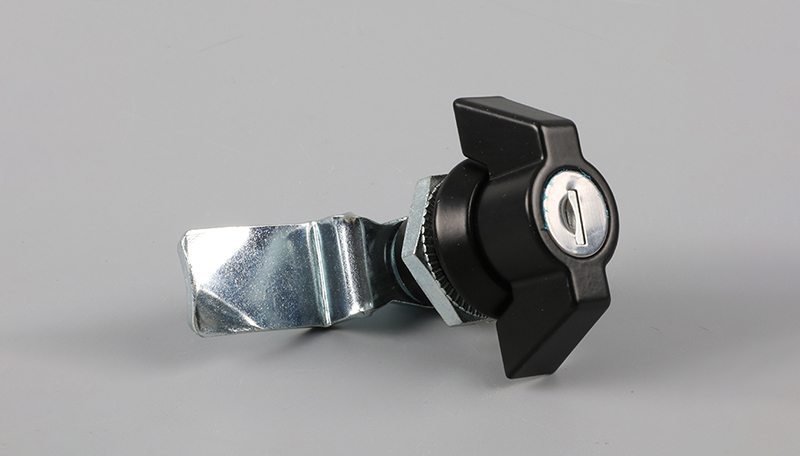
●Cam locks:The most basic industrial lock type. The rotating cam fastens the panel, widely used for thin-gauge electrical cabinets and ordinary enclosures to prevent casual opening. Custom cam shapes fit different frame depths.
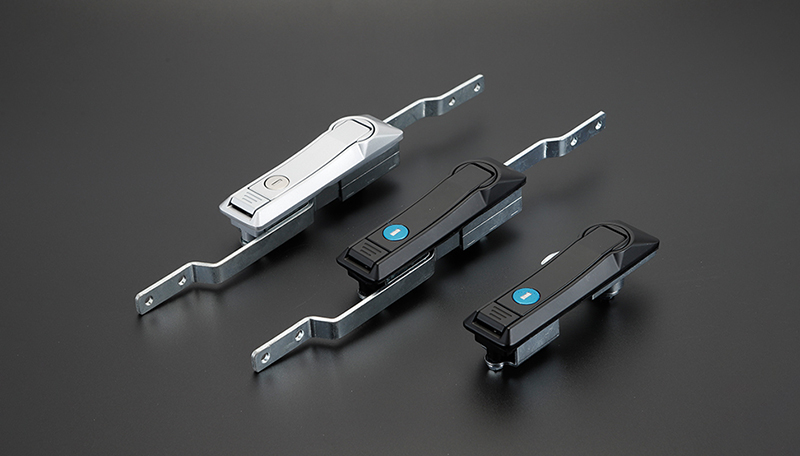
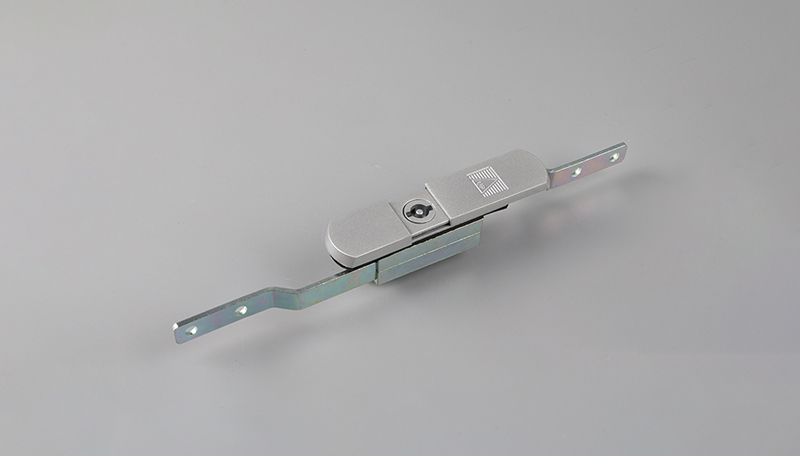
●Rod control locks:Driving vertical or horizontal steel rods to lock the cabinet at multiple points. Ideal for tall enclosure doors that are easy to deform and rattle with single-point locking. It evenly compresses door gaskets and reduces vibration noise.
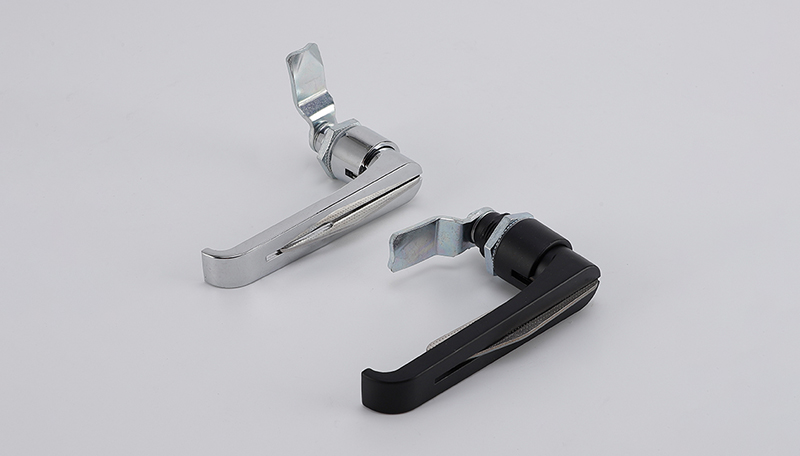
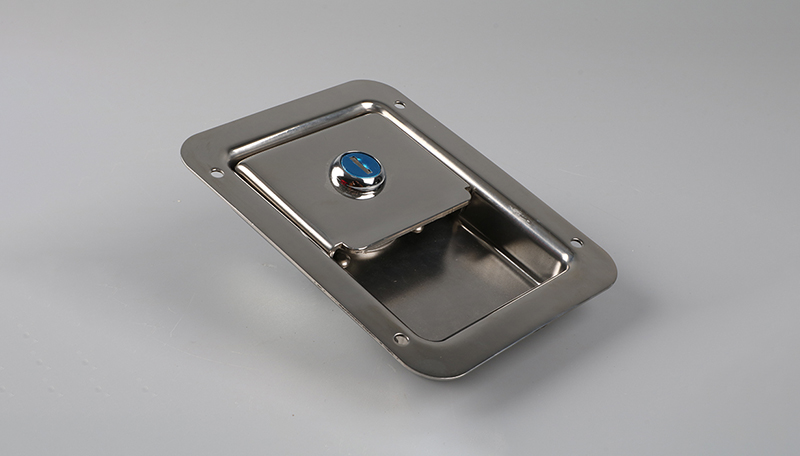
●Swing handle locks:Integrated handle and locking structure; flush-mounted design avoids collision from forklifts and prevents clothing snagging. It is standard for industrial control cabinets requiring frequent access.
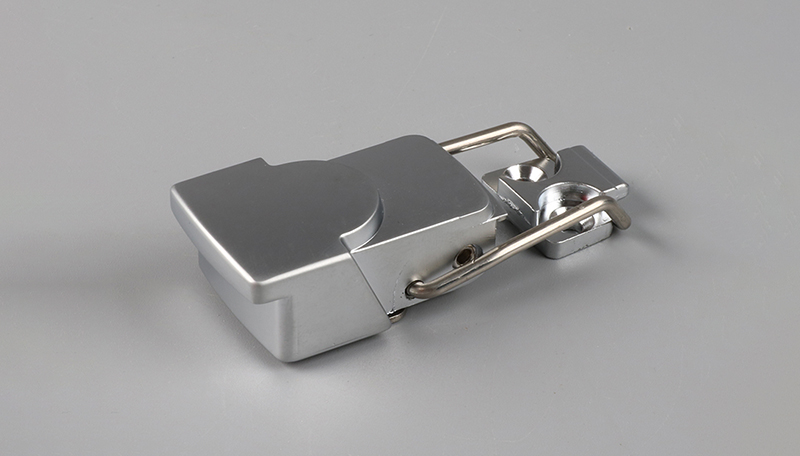
●Buckle locks:Lever-type tension structure provides strong clamping force to tightly compress door gaskets. Suitable for weatherproof distribution cabinets and outdoor enclosures that require high sealing performance.
●Quarter-turn locks:90° key or tool rotation for quick opening, commonly used on server racks, HVAC panels and machine guards with no need for high clamping force.
Selecting an Industrial Lock That Matches the Job
●Panel thickness & cutout size:Each lock fits a specific door thickness range; mismatched thickness causes insecure installation. The mounting cutout must fully match the lock size to avoid shifting and abrasion during use.
●Environment-adapted material & finish:Indoor oil-mist factory environments require sealed and anti-rust locks. Outdoor cabinets need UV-resistant covers and stainless steel internal parts. Food and pharmaceutical cleanrooms adopt smooth crevice-free designs for easy cleaning and bacteria prevention.
●Keying & access control:Available options include one-key unified access for maintenance, independent unique keys for security zones, and interchangeable core systems for convenient re-keying without lock removal.
●Latching force & rod compatibility:Cam locks provide single-point locking; rod control systems need matched guides, keepers and customized rod length. The lock structure must fit rod diameter and cabinet stroke requirements.
●Safety emergency design:Some enclosures require internal keyless opening for personnel safety, or reserved padlock hasps for lockout-tagout maintenance compliance.
Installation Practices That Extend Service Life
Flat and stable installation is the premise of long service life. Oversized or offset mounting holes cause lock displacement, resulting in part wear, loose fasteners and linkage jamming.
For rod control locks, reserve proper margin when cutting rods and trim to exact length on site. Too short rods fail full engagement; overlong rods cause closing obstruction and mechanical stress damage.
Fasteners should be tightened per manufacturer's torque standard. Overtightening easily cracks zinc alloy housings or slides threads. Medium-strength thread locker prevents screw loosening in high-vibration scenarios.
Maintenance That Prevents Unexpected Failures
Regular lubrication keeps locks flexible. Apply light machine oil to keyways and cam pivots 1–2 times a year; use dry graphite lubricant in dusty sites to avoid oil adsorbing grit.
Inspect rod straightness and keeper alignment regularly. Bent rods increase operating resistance and wear the lock slot; loose keepers lead to incomplete door latching.
Replace aging keyway sealing gaskets periodically. Damaged seals let water enter the lock body, causing internal corrosion, increased operating resistance and even key breakage. Low-cost regular seal replacement effectively avoids lock seizure and on-site failure.
Conclusion
An industrial lock is a low-cost but critical component for enclosure and equipment safety. Properly selected, installed and maintained, it runs stably for years. Matching lock type to usage frequency and clamping demand, selecting materials according to application environment, and strictly following installation specs are the key to reliable long-term operation of industrial locks.