
 Rod lock

What Are the Different Types of Cam Locks?
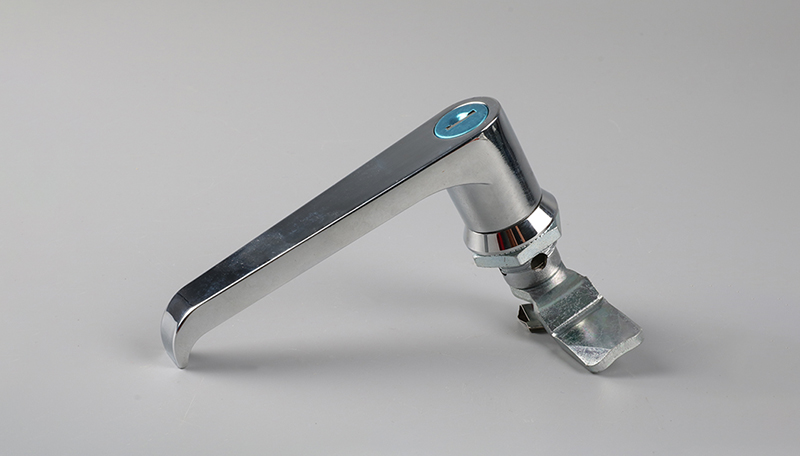
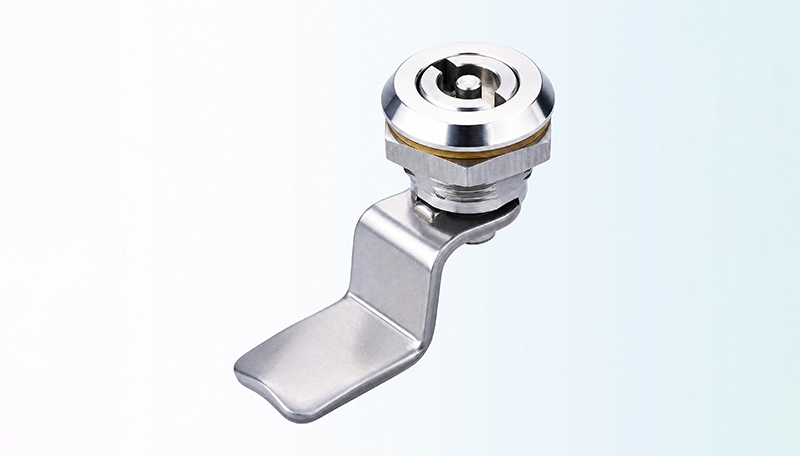
Cam locks offer secure, tamper-proof locking for industrial and transportation equipment like distribution cabinets, electrical enclosures, railway vehicles, and RVs. They feature a cylindrical barrel and a rotating flat or bent cam. Turning the key rotates the cylinder, activating the cam to lock or unlock the door or panel. Small, durable, and customizable, these locks deliver reliable security where safety is critical.
What Is a Cam Lock?
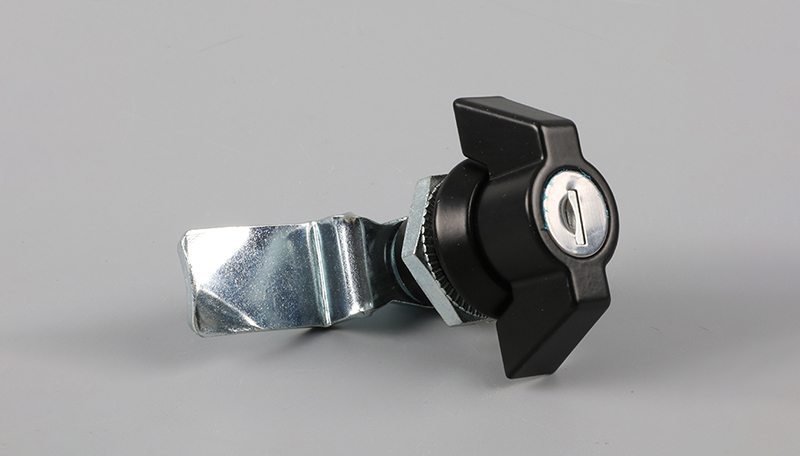
A cam lock is a cylinder locking mechanism for doors, panels, or hatches, comprising a cylindrical barrel and a rotating cam. These components work together to secure equipment when the key is rotated or, in modern variants, by using electronic access systems. Known for their compact size, durability, and customization options, cam locks are highly suited for industrial settings such as electrical cabinets and control panels. They are also widely used in railway systems and transport vehicles, offering a dependable solution to crucial security requirements in high-risk environments.
Types of Cam Locks for Industrial Applications
There are many different types of cam locks designed to work in a heavy-duty, industrial, and transportation environment. The following types of cam locks would be best suited for these types of applications:
1. Heavy-Duty Cam Locks
Heavy-duty cam locks use thicker materials and robust mechanisms to withstand industrial wear, tear, and environmental stress. Commonly found on electrical cabinets, enclosures, and machinery panels, they resist prying and breaking to prevent unauthorized access to sensitive equipment.
2. Vibration-Proof Cam Locks
Railway and RV manufacturers rely on vibration-proof cam locks built to stay secure despite constant movement. Their solid construction and reliable locking mechanisms prevent accidental unlocking, making them ideal for high-speed trains and heavy-duty vehicles.
3. Weatherproof Cam Locks
Weatherproof cam locks are designed to protect outdoor electrical panels, control enclosures, and similar equipment from exposure to harsh environmental factors such as moisture, dust, and temperature changes. Typically constructed from corrosion-resistant materials like stainless steel or zinc alloy, these locks ensure durability in a variety of weather conditions.
4. Compression Cam Locks
Compression cam locks are highly sealable and are particularly suited for industrial uses where making an airtight seal is required, such as on marine vessels and HVAC systems. They offer a snug fit that minimizes the effects of vibration and provides comprehensive protection against environmental contaminants.
5. Miniature or Compact Cam Locks
Miniature cam locks are compact and built for tight spaces in complex industrial systems like telecom cabinets, meter panels, and small distribution boards. Despite their small size, they deliver dependable security for small-scale enclosures.
How to Choose the Right Cam Lock for Industrial Use
When selecting a cam lock for cabinets, vehicles, or other industrial uses, consider these key factors:
1. Material: Use heavy-duty materials such as stainless steel, zinc alloy, or brass for durability in an industrial application that could experience moisture, corrosion, or impact.
2. Security Level: If you require high security, then use either a tubular cam lock or a cam lock with a multiple key system. If a deterrent to theft is needed, then it is recommended to use a pick-resistant cam lock design.
3. Size and Fit: Ensure the lock’s barrel length and cam dimensions meet the thickness of your cabinet or panel.
4. Environmental Suitability: If you are installing a cam lock outdoors, or in transportation vehicles, the cam lock must be weather-resistant or vibration-resistant.
5. Sealing Needs: For applications in the HVAC industry, or in marine applications, use compression-type cam locks to provide an airtight seal.
6. Operational Convenience: If you have multiple users, you may want to select cam locks that are accessible via a master key system or electronic access systems for ease of use.
Main Parts of Industrial Cam Locks
Industrial cam locks consist of operational parts. Below are the parts of an industrial cam lock:
1. Barrel: The cylinder houses the locking mechanism and is built from durable materials suitable for industrial environments.
2. Key: The component that operates the cam lock by allowing users to secure or open the lock. Keys may have diverse profiles for security purposes.
3. Cam: The rotating metal piece that locks or unlocks a mechanism when the key turns. Industrial settings may require reinforced cams for additional security.
4. Bolt: The locking component that holds a cabinet, panel, or door shut. Some types of bolts support flexible configuration options.
5. Seals: In weatherproof cam locks, seals such as gaskets protect from dust, water, and environmental contaminants.
6. Nut or Clip: The hardware that secures the lock within a cabinet or enclosure, often used in weather-resistant designs.
Applications of Cam Locks in Industrial Sectors
Cam locks are indispensable in various industrial and transportation settings. Common applications include:
• Distribution Cabinets: Often used to secure electrical systems or utility enclosures with critical equipment.
• Control Panels: Essential for protecting automation and control systems in industrial environments.
• Railway and Metro Systems: Protect panels, electrical boxes, and engine compartments in trains and metros.
• RVs and Campers: Secure compartments, access panels, and doors for better safety and privacy.
• Heavy Machinery: Provides robust locking solutions to withstand tampering in industrial equipment.
FAQs
Are there different types of cam locks?
Yes, cam locks come in various designs such as heavy-duty, vibration-resistant, weatherproof, compression, multi-key, and miniature models, catering to specific industrial or transportation requirements.
How do you choose the right cam lock?
Evaluate the application’s needs, environmental conditions, and desired security level while considering material, size, sealing ability, and user accessibility.
What are the main parts of a cam lock?
Core components include the barrel, key (or keyless mechanism), cam, bolt, seals, and a nut or clip for installation.
Conclusion
Cam locks are a critical security component for various industrial and transportation systems. By understanding the different types and key components, as well as evaluating your specific needs, you can select the optimal locking solution. Investing in high-quality cam locks ensures maximum protection, reliability, and peace of mind for both assets and personnel.
