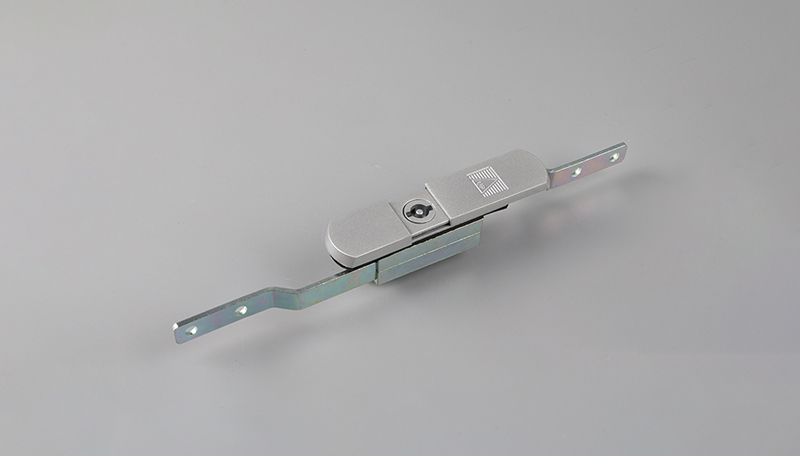
 Rod lock
What Different Types of Industrial Hinges Exist?
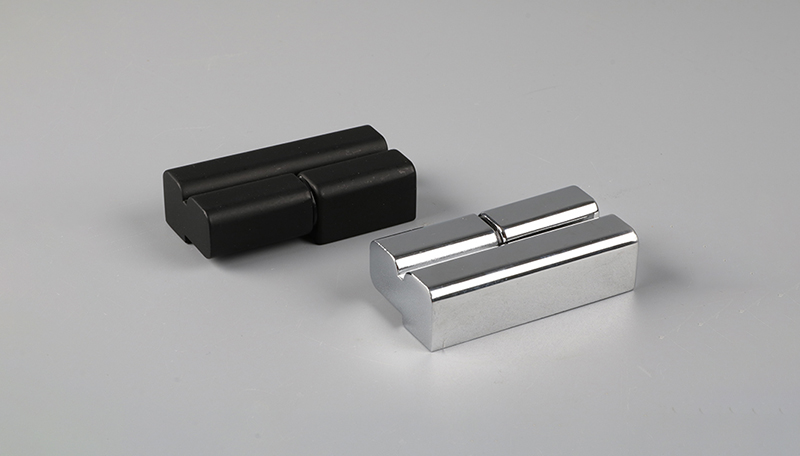
Industrial hinges are used across many industries from transportation and medical equipment to heavy machinery. They provide smooth, reliable motion under demanding conditions. When designing new equipment or repairing existing units, understanding the different types of industrial hinges is essential. This article explores popular hinge types, their applications, and common buyer questions.
Types of Industrial Hinges
1. Butt Hinges
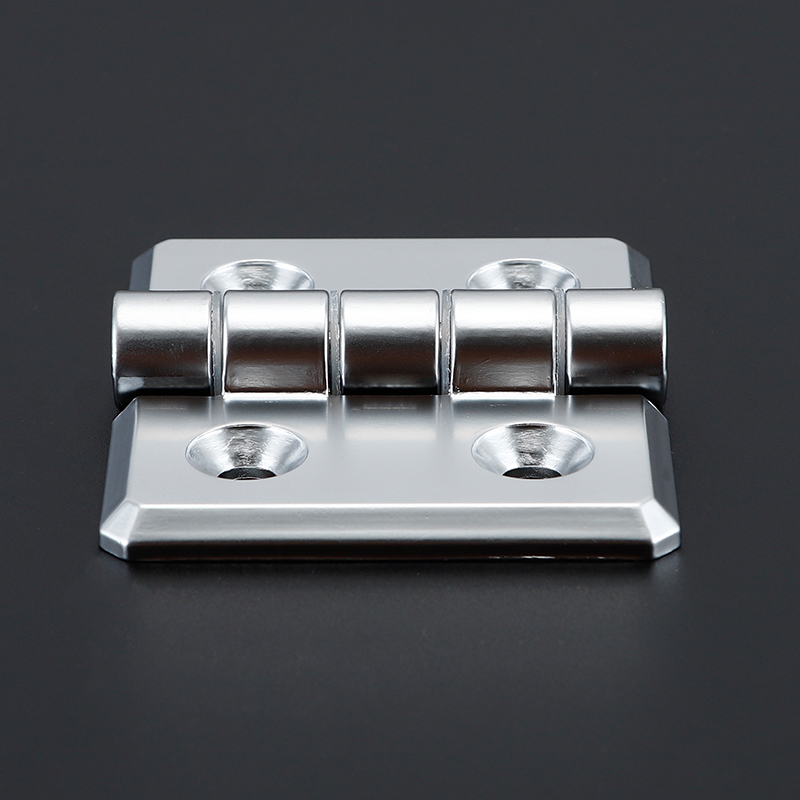
Butt hinges consist of two rectangular metal plates joined by a hinge pin. They are very strong, making them a common choice for heavy-duty applications such as doors, enclosures, and machinery panels. When a simple, rugged, and dependable solution is needed, a butt hinge is a reliable option.
2. Continuous/Piano Hinges
Continuous hinges, also known as piano hinges, run the full length of the surfaces they join. They are ideal for applications where strength and durability are priorities, such as electrical enclosures, tool boxes, and large doors. Their long length distributes weight evenly across many screws, providing greater stability than hinges that rely on only a few fastening points.
3. Concealed Hinges
A type of hinge that is touted for its aesthetic appearance, concealed hinges are concealed from view when the joint is in the closed position; providing an aesthetically pleasing and professional look. Modern cabinetry uses concealed hinges for aesthetics as well as functionality. Because of their non-exposed design, they also help prevent the accumulation of dirt and debris.
4. Strap Hinges
Long and tapered on one or both sides, strap hinges are built with high load-bearing capacities and can be used for many applications, including industrial gates, large machinery and barn doors. These hinges have a large surface area that helps provide excellent support for larger items due to their heavy-duty construction as well.
5. Spring Hinges
Spring hinges utilize a tensioned spring system to allow automatic opening and/or closing of an object. Commonly found in self-closing doors, gates, and flaps of machinery, spring hinges are very useful in industrial applications where controlled repetitive motions occur.
Frequently Asked Questions
What are the five main hinge types?
The five most common types of hinges utilized in industrial applications are butt hinges, continuous hinges, concealed hinges, strap hinges, and spring hinges; all types of hinges have specific intended functions within a given industrial environment.
Which industrial hinge type is the most common or widely used?
Continuous hinges are the most common industrial hinge type due to their durability, whereas butt hinges are known for being simple in design, and concealed hinges are typically used only for decorative reasons. The most popular types of hinges in an industry are those that include continuous and heavy-duty strap hinges, which offer excellent versatility for high-stress operations due to their strength and ability to distribute weight evenly over large areas.
What are the strongest types of hinges?
Continuous hinges and heavy-duty strap hinges are both typically the strongest types of hinges used for industrial applications, since both types of hinges have the capability of evenly distributing a load across a much larger area than other types of hinges, which are specifically used for high-stress applications.
What is the best type of commercial door hinge?
The best hinge for a commercial door depends on several factors, including function. For heavy-duty use, continuous hinges are often preferred for their strength and durability. Concealed hinges can also work, though they offer limited visibility. Spring hinges are common for self-closing doors.
Factors to Consider When Choosing an Industrial Hinge
When selecting the appropriate hinge for industrial use, consider the following five factors:
●Load Capacity: Select the proper size and type of hinge based upon the weight and size of the items you will be using the hinges on.
●Material: When selecting a hinge for your application, it is advisable to choose a hinge made from a strong and durable material, on the environment the hinge will be installed in. If you will be using the hinge in an outdoor or corrosive environment, use a rust-proof material.
●Motion Requirements: Use various methods of hinge movement when selecting a hinge for your application. You may want to select a hinge type depending on whether you require full rotation movement, limited movement or locking capability.
●Aesthetics: When selecting a hinge, if your application will be visible to customers, you will want to choose a hinge that has an aesthetically-pleasing design or is hidden.
●Environmental Resistance: To ensure that the hinge will function correctly, it must be manufactured to operate in a manner that is compatible with the environment in which it is installed, i.e., high humidity, extreme temperatures or exposure to chemicals.
Conclusion
Industrial hinges are often the backbone of many industries, as they provide both strength and precision required to maintain smooth operations. By learning about the various types of industrial hinges including: durable butt hinges, continuous hinges, and versatile concealed hinges, you will be better equipped to make an informed decision about what type of hinge is best suited to your specific application. You can maximize the life and performance of your equipment by evaluating the factors listed above when choosing an industrial hinge.
If you require expert assistance or would like to purchase quality industrial hinges please contact us, as we specialize in providing businesses with the best solutions for their operational needs.