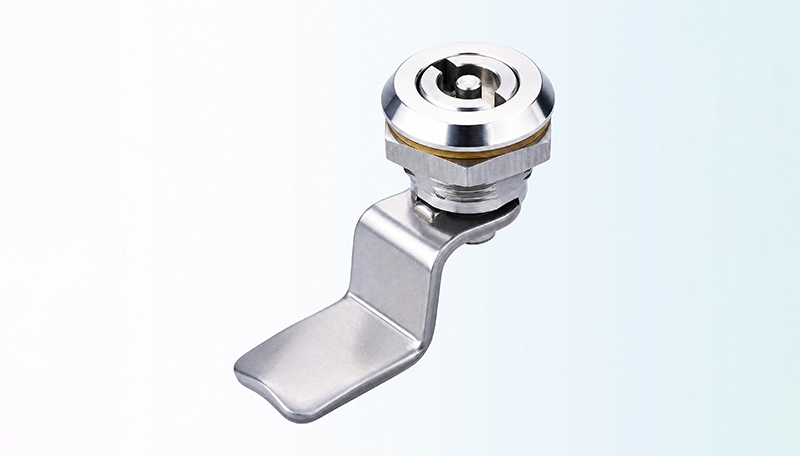
Rod lock

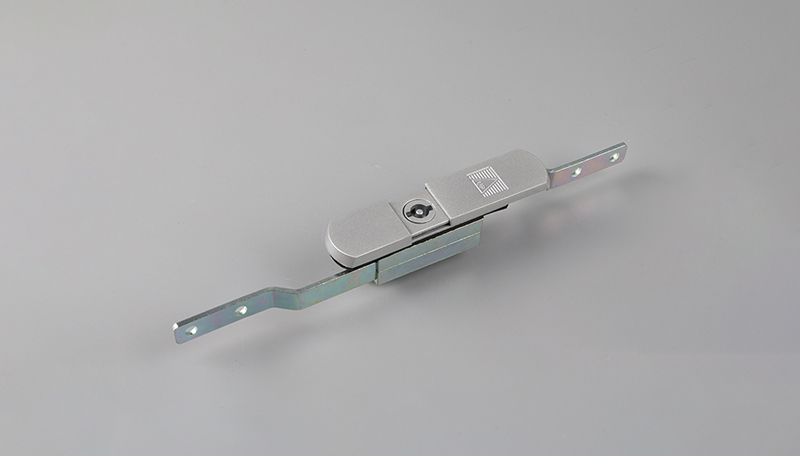
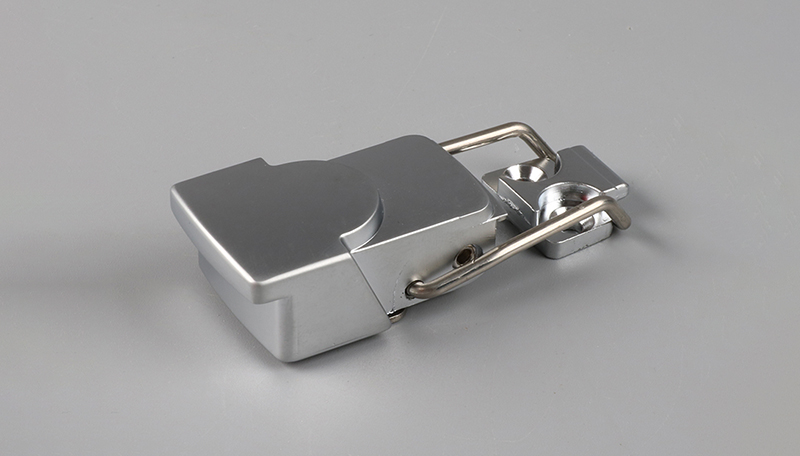
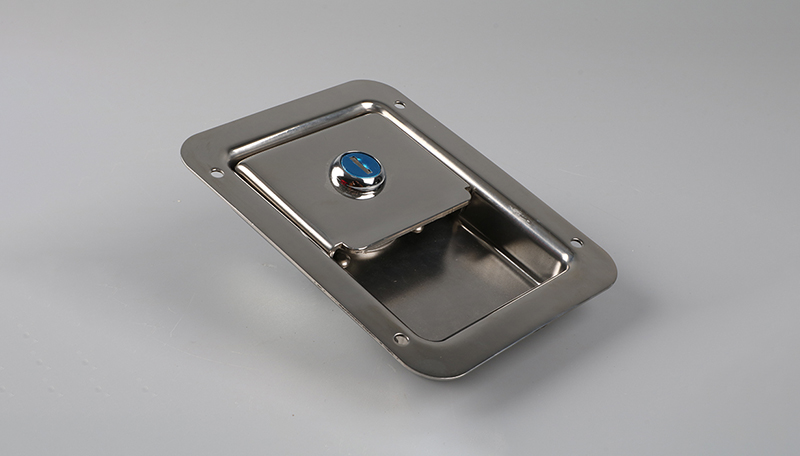
What Is a Cam Lock? Types, Uses & Installation Guide
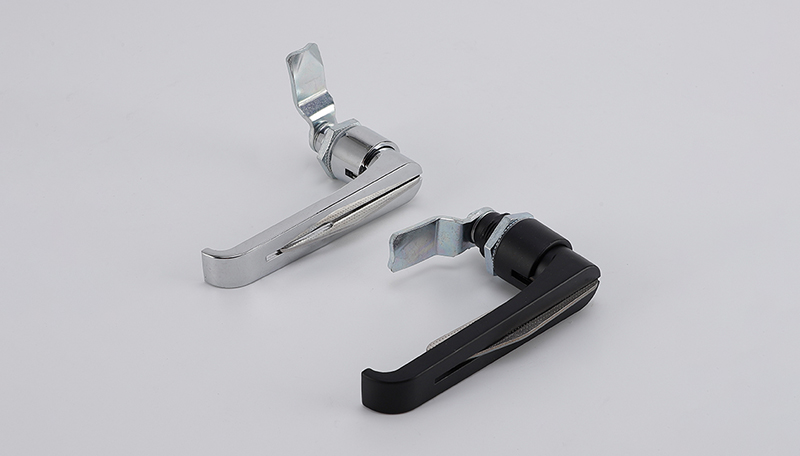
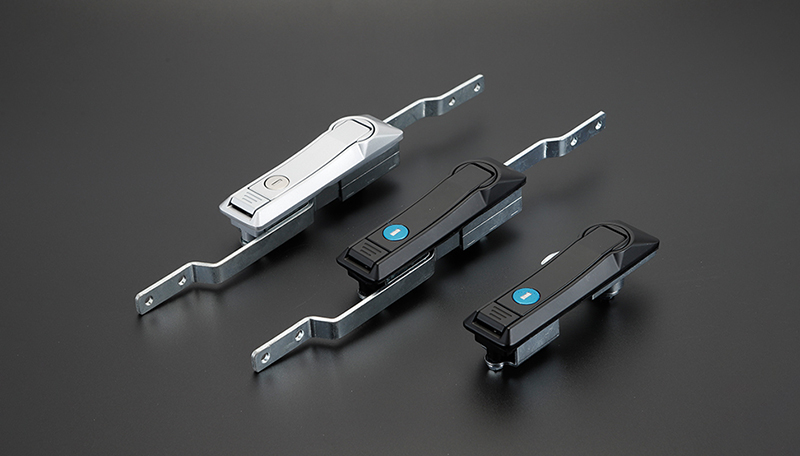
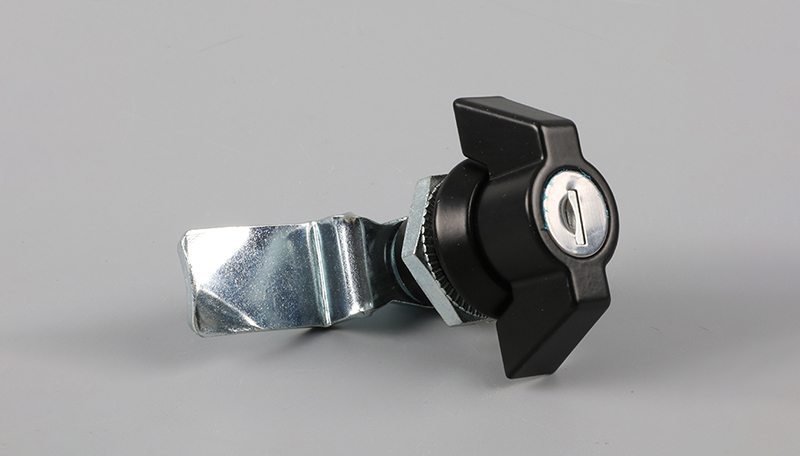
A cam lock is a compact locking mechanism that is used for locking doors, drawers, cabinets, access panels, electrical enclosures, and storage compartments. The working mechanism of cam lock includes a rotating metal arm named cam. Whenever the key or knob is turned, the cam gets behind the frame and keeps the panel shut.
Cam locks have gained immense popularity due to their easy installation process and versatile design. This article explains how cam locks work, their applications, tips for choosing cam locks, and how to install them.
Common Types of Cam Locks
Keyed Cam Locks
Keyed cam locks are commonly used on car boot, desks, drawers, mailboxes, toolboxes, and equipment cabinets. They may either be different keyed, alike keyed, or be operated under a master-key system.
Quarter-Turn Cam Locks
Such locks are accessible and functional via a 90-degree turn movement. They are popularly sought after for their application in switches, control plates, machine application equipment, and other electrical devices, among many others.
Combination Cam Locks
A combination cam lock works by using a code rather than a physical key. It is ideal for cabinets, office furniture, shared storage facilities, and rental tools.
Compression Cam Locks
Compression methods tighten panels closely against the gaskets. They minimize vibration and enhance protection against moisture and dirt.
Electronic and Stainless Steel Models
Electronic cam locks can use various methods of authentication, including PIN codes, RFID cards, Bluetooth technology, or fingerprint recognition. Stainless steel cam locks are a viable choice for applications in outdoor, marine, wet and humid, or industrial conditions. Be sure to check the specifications for construction materials and environmental rating of the cam lock before purchasing it.
Typical Applications and Uses
Cam locks may be used in equipment such as electrical energy distribution cabinets, electrical control panels, high-speed trains, RV storage compartments, server racks, vending machines, toolboxes, lockers, HVAC systems, and office furniture.
Choose a padlock for electrical appliances and transport mechanisms in accordance to manufacturer's instruction to ensure safety, vibration, corrosiveness and temperature standards are met. A padlock itself does not provide electrical isolation or safety of machinery.
How to Choose the Right Cam Lock
Prior to buying, ensure you confirm those aspects as panel thickness, diameters of mounting holes, the length of the lock body, the extension of the cam, the displacement of the cam, and final direction for locking. The cam should touch the frame without touching wires, hinges, etc.
Select the appropriate material based on the surroundings. Zinc alloy or coated steel may work well inside buildings; however, stainless steel or corrosion-resistant coatings are more suitable for use outdoors or in damp locations. In terms of security features, consider the use of restricted key systems, combination locks, or electronic access control.
Step-by-Step Installation Guide
- Compare the new lock with the existing one, including body size and cam position.
- Disconnect power when working on electrical equipment.
- Remove the old lock, retaining nut, clip, or mounting bracket.
- Clean and inspect the mounting hole.
- Insert the new lock body through the panel.
- Install and tighten the retaining hardware without overtightening.
- Attach the cam in the correct direction.
- Test the lock with the door open, then test it again when closed.
Frequently Asked Questions
What is a cam lock used for?
It provides security for doors, drawers, cabinets, electrical panels, equipment compartments, RV storage areas, and various types of storage units.
Are all cam locks the same size?
No. Their design is different in respect of body diameter, panel thickness range, cam shape, offset, material, operating method etc. Proper measurements are required.
Can I replace a cam lock without changing the cabinet?
Normally, yes, if the fitting matches the existing hole, panel thickness, fixing method, and cam position.
What is the best cam lock for an electrical cabinet?
A type of cam lock that consists of a quarter turn or compression mechanism may be appropriate but the selected cam lock must correspond to the enclosure's needs for safety and other features.
Cam locks are a practical, uncomplicated method of locking up industrial cabinets, electrical devices, train panels, RV compartments, furniture, and other access points. Careful consideration of measurements, operation method, cam position, material, and environmental factors will assist you in finding the right cam lock for your needs.