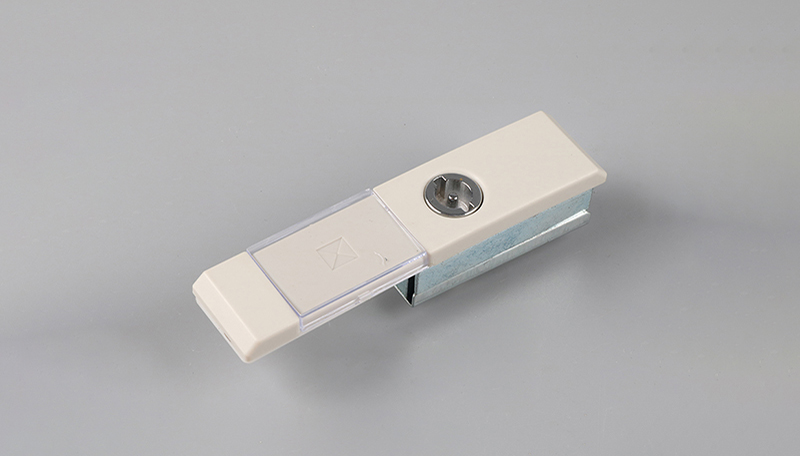
 Rod lock
What Is a Rod Lock and How Does It Work?
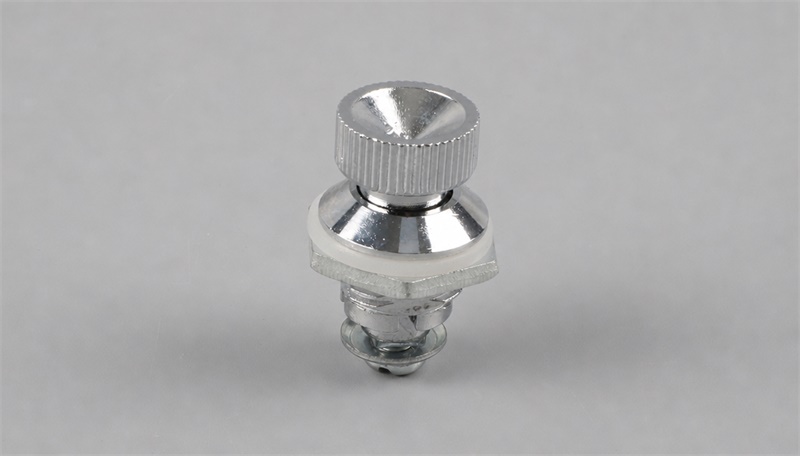
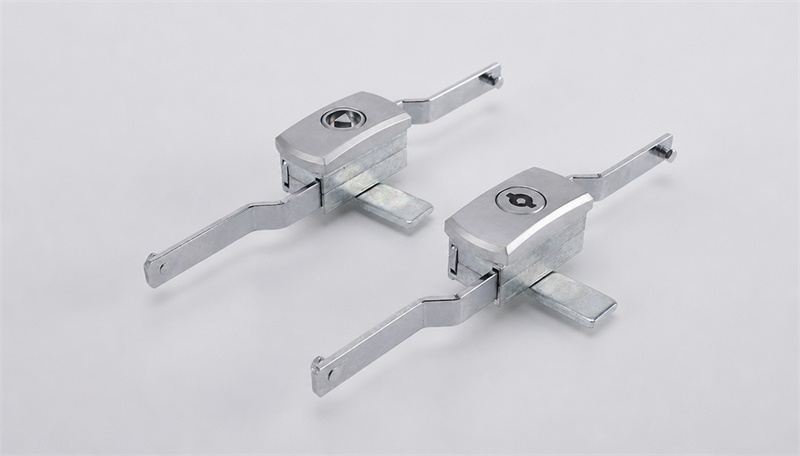
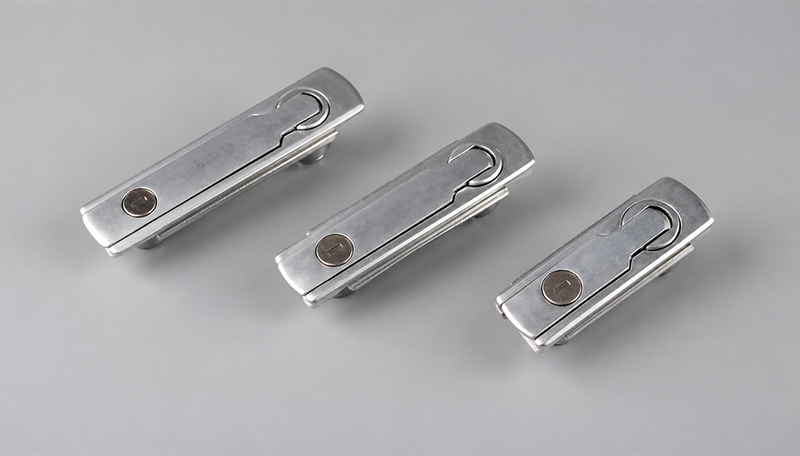
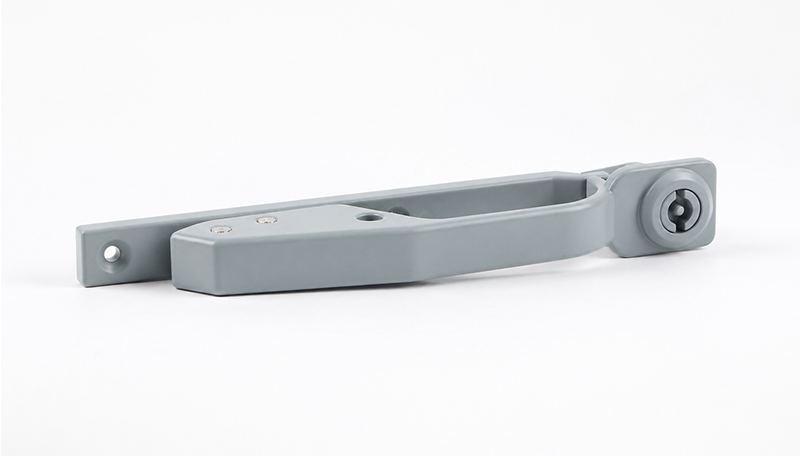
A Rod Lock is a locking mechanism commonly used to secure doors and gates. It operates by utilizing a horizontal or vertical rod that fits into a corresponding hole or recess in a frame when engaged. This type of locking system can be particularly beneficial in areas that require enhanced security and stability, ensuring that doors or gates remain firmly closed until released. Understanding how a rod lock works is vital for both security professionals and homeowners looking to upgrade their premises.
How Does a Rod Lock Work?
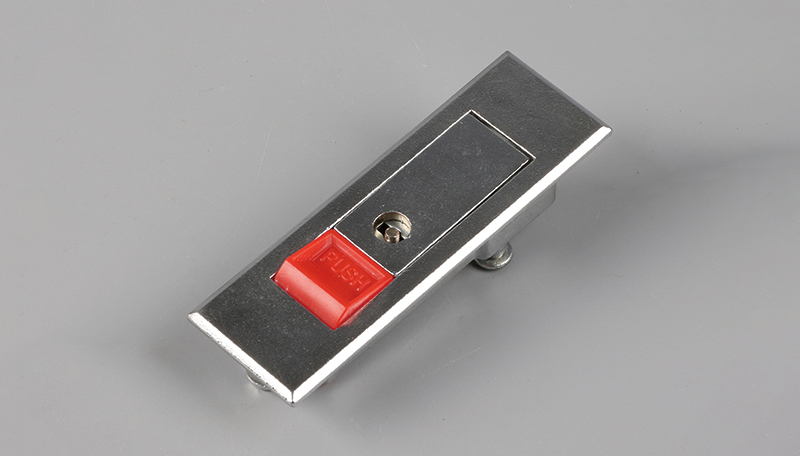
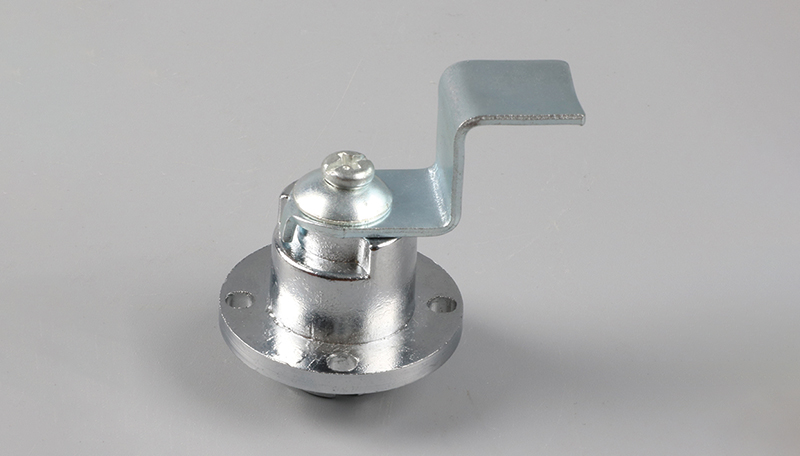
A typical rod lock consists of a cylinder that houses the locking mechanism and a rod that extends or retracts when the lock is activated. When the key or knob is turned, the internal mechanism engages, allowing the rod to slide into position. Once secured, the rod prevents the door or gate from being opened without the correct key, thereby enhancing security.
Rod locks are often used in conjunction with additional locking systems to provide multiple layers of security. They can be easily installed on various types of doors, including residential, commercial, and industrial doors.
Where Are Rod Locks Used? Key Applications and Industries
Rod locks are versatile locking systems used across various applications and industries. Here are some common areas where these locks are applied:
1. Residential Doors: Many homeowners install rod locks on external doors to improve security against unauthorized access.
2. Commercial Properties: Businesses often use rod locks for storefronts and storage areas to protect valuable inventory.
3. Industrial Facilities: Factories and warehouses utilize rod locks for heavy-duty doors that require robust security measures.
4. Gates and Fences: Rod locks are also commonly used for securing gates and fences, providing an effective means of preventing trespassing.
How to Choose the Right Rod Lock for Your Cylinder
Selecting the right rod lock is crucial for ensuring optimal security and functionality. Here are several factors to consider when choosing a rod lock for doors:
1. Door Material: Different materials require specific rod locks. Ensure compatibility with wood, metal, or composite doors.
2. Size and Length: The rod's size should correspond with the door's dimensions to ensure a precise fit.
3. Security Rating: Look for rod locks with a high-security rating, indicating they are resilient against tampering.
4. Installation Requirements: Check if the installation process requires professional assistance or if it can be done easily as a DIY project.
Rod Lock Maintenance and Troubleshooting: A Practical Guide
To ensure your rod locks function correctly and last longer, regular maintenance is key. Here are some tips for maintaining and troubleshooting:
1. Regular Inspection: Check the lock mechanisms periodically for any signs of wear or damage.
2. Lubrication: Apply a suitable lubricant to the rod and cylinder to prevent rust and ensure smooth operation.
3. Cleaning: Keep the lock area clean from debris and dust that may impede functionality.
4. Immediate Repairs: Address any issues such as sticking or jamming immediately to avoid further complications.
If a rod lock fails, the problem may be due to a worn-out key, misalignment, or rusting components. In such cases, consult a locksmith for professional help.
FAQ Section
What Is the Purpose of a Rod Lock?
A rod lock is primarily used to secure doors, gates, and fences. It provides additional security by preventing unauthorized access and ensuring structural stability when locked. Rod locks are commonly used in residential, commercial, and industrial settings.
Can Rod Locks Be Installed on All Types of Doors?
Yes, rod locks can be installed on various types of doors, including wooden, metal, and composite doors. However, ensure that the lock you’re purchasing is compatible with your door’s material and dimensions.
How Do I Maintain My Rod Lock?
Regular cleaning, lubrication, and inspection are key to maintaining a rod lock. Ensure the rod operates smoothly and address any wear or damage promptly. These steps will keep the lock functional and extend its lifespan.
What Should I Do If My Rod Lock Is Stuck?
If your rod lock is stuck, inspect for potential issues such as debris, rust, or a worn-out mechanism. Try lubricating the lock to release the rod. If the problem persists, seek the assistance of a professional locksmith to avoid further damage.
Are Rod Locks Suitable for High-Security Applications?
Yes, rod locks with a high-security rating are ideal for scenarios where strict security is required. Look for locks made from durable materials with advanced features to resist tampering.
In conclusion, a rod lock is an effective means of securing doors and gates while enhancing overall security. Understanding how these locks work, where they are used, and how to maintain them will help you choose the right locking mechanism for your needs and ensure that it remains in optimal condition over time. Whether you need it for residential or commercial applications, investing in quality rod locks is crucial for peace of mind.