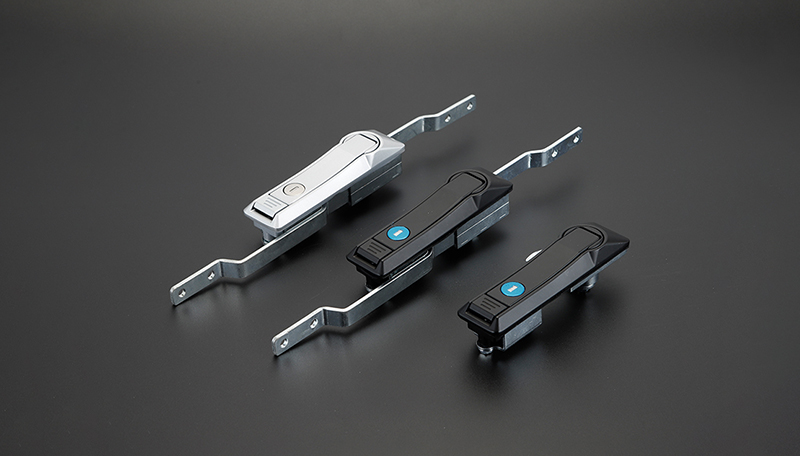
Rod lock

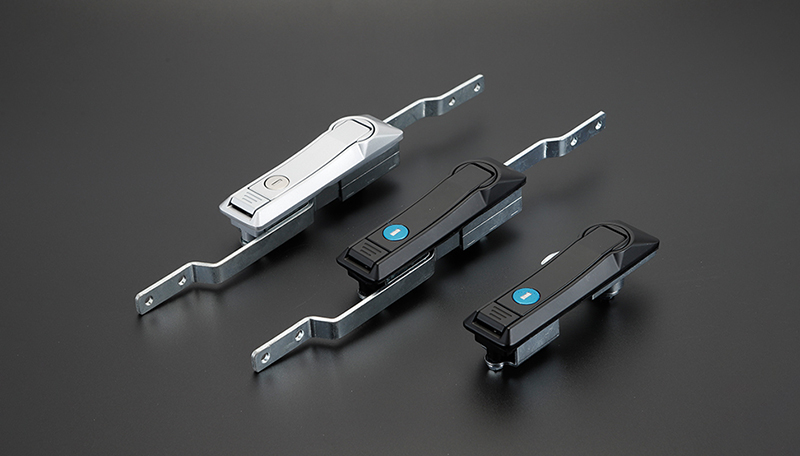
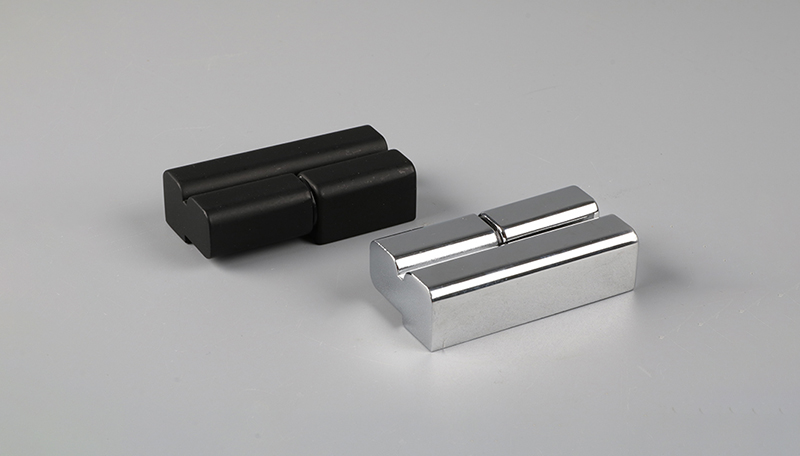
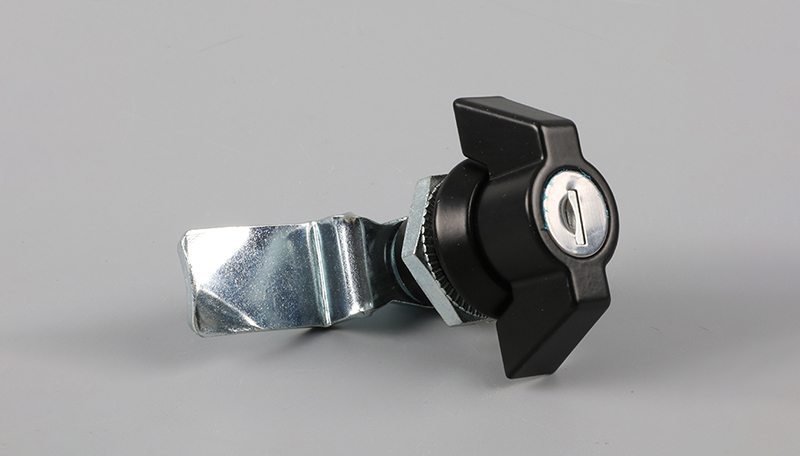
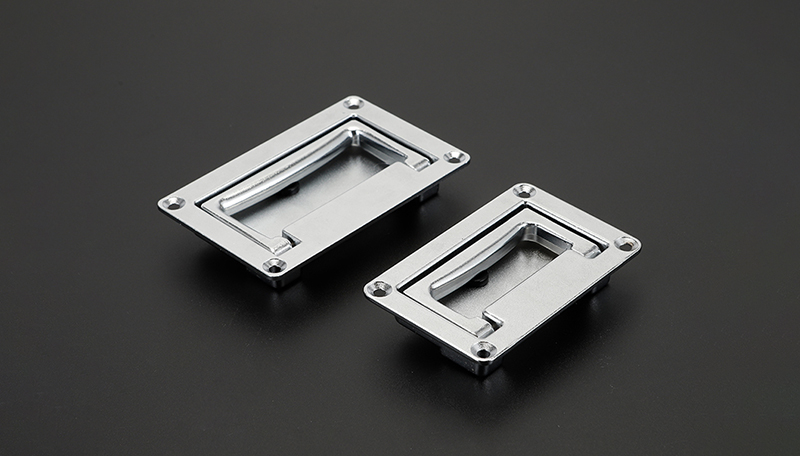
What Is a Rod Lock? Complete Technical Overview
Rod locks are essential in the industry for securing various equipment such as distribution cabinets and different types of transportation vehicles (e.g. trains, recreational vehicles). Rod locks are being widely used in the industry due to their robust and tough design which makes them suitable for the secure environment of operation. The article explores the use of rod locks in the industrial field to provide informative data for the potential buyers and users of these products.
Understanding the Rod Lock Mechanism
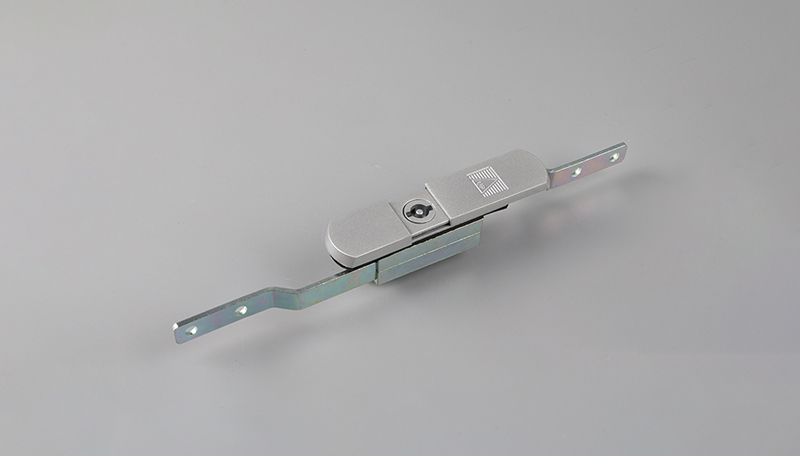
The rod lock is designed in such a way that it enables secure locking with the help of a mechanical rod system. In industrial areas, rod locks are particularly useful in securing distribution cabinets which consist of many sensitive electrical devices.
Key Components and Design Features
Industrial rod locks consist of several key components:
1. Rod Mechanism: This is a sturdy bar that can be locked automatically by using it, thus guaranteeing the safety of industrial cabinets and boxes.
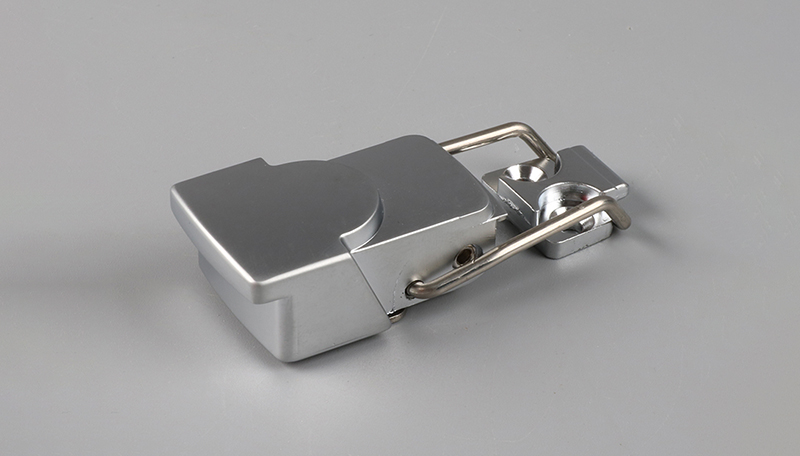
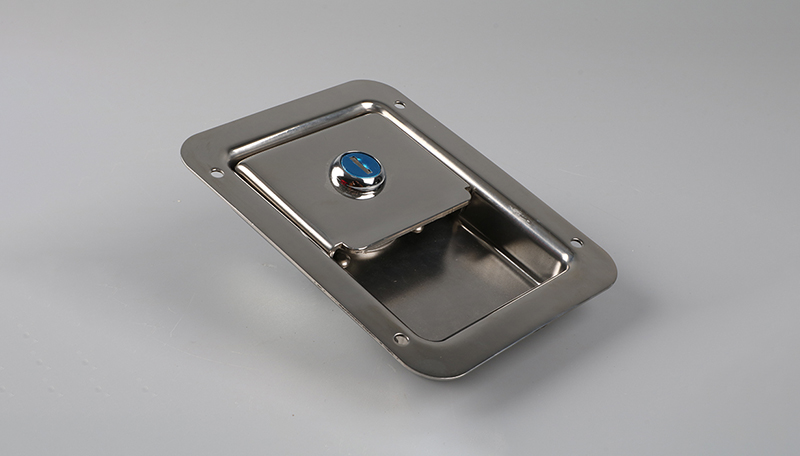
2. Lock Housing: Made from sturdy materials such as stainless steel and polymer composites, which withstand the demands of industrial environments and provide protection from tampering.
3. Activation Method: This can be accomplished in two ways, whether it is done by using a key or an electronic system that can do the task for you.
4. Strike Plate: Guarantees that rod connection and anchoring are carried out safely. This is important for the stability and safety of both electrical panels and moving vehicles.
How Does a Rod Lock Work?
In industrial usage, a rod lock is carried out in closing cabinet doors or coverings. When the apparatus is deployed, the rod is sent into the strike plate, locking the door. This mechanism is used in securing electric cabinets, which need to be protected from unauthorized access due to safety and compliance reasons. In transportation applications such as train cars and RVs, rod locks provide stability and security.
Maintenance and Troubleshooting Best Practices
Maintaining rod locks for industrial use involves specific practices:
1. Periodic Inspections: It is important to perform inspections periodically so that indicators of wear or misalignment can be discovered.
2. Utilizing Heavy-Duty Lubricant: To achieve favorable results, you must select a lubricant that has been designed exclusively for heavy-duty applications so that you may prevent wear and achieve optimum operation.
3. Alignment Inspections: Confirm the placement of both rods and strike plates, especially in cases with disturbance or noticeable motion.
4. Testing of Automated Systems: When electronic systems are used in any system, regular testing is required to identify any faults in the software or mechanical parts in the system.
Frequently Asked Questions
Q: Why are rod locks preferred for distribution cabinets?Due to their tough build, rod locks serve the purpose of preventing any illegal breach attempts and hence become ideal for protecting valuable equipment in distribution boxes.
Q: What makes rod locks suitable for trains and RVs?Rod locks are built for lasting service and reliable security since they use a lockable mechanism to help ensure that doors and panels are always kept secure when in transit.
Q: Can rod locks be integrated with modern electronic systems?It is true that modern rod locks are often connected to electronic access control systems that allow the automatic and remote management of security operations.
In conclusion, rod locks are key in giving security to vehicles and industrial machines. The design features and functioning of the locks helps them maintaining the required security along with the operational efficiency. The knowledge of the parts and maintenance of the rod locks allows one to make the right choices in their applications in transportation and industry.