
 Rod lock

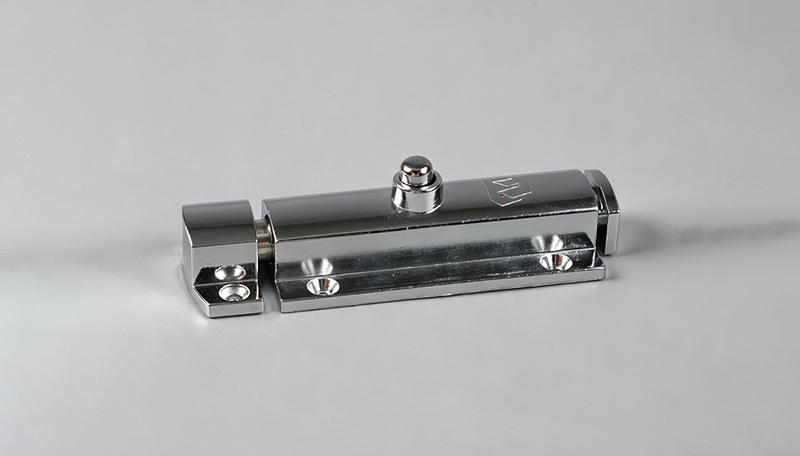
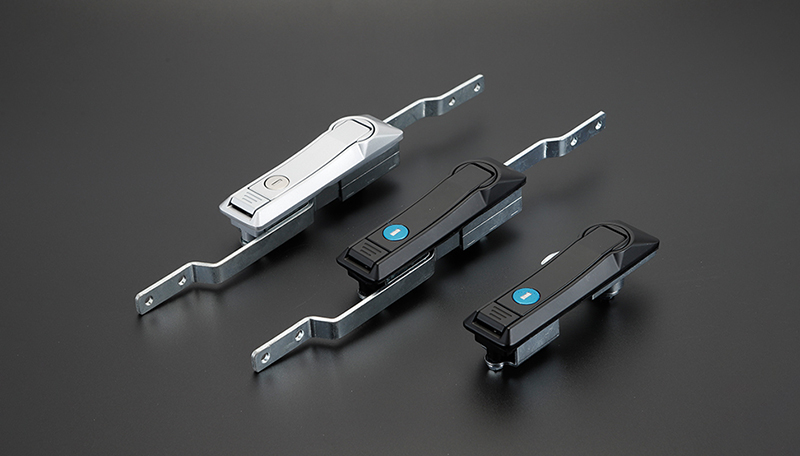
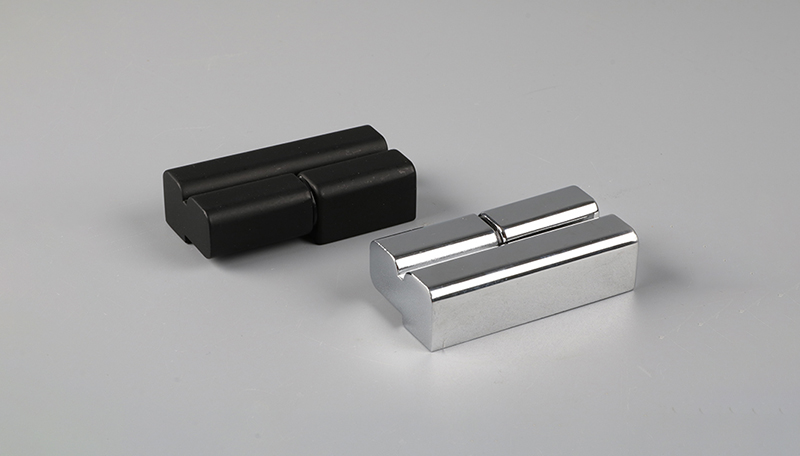
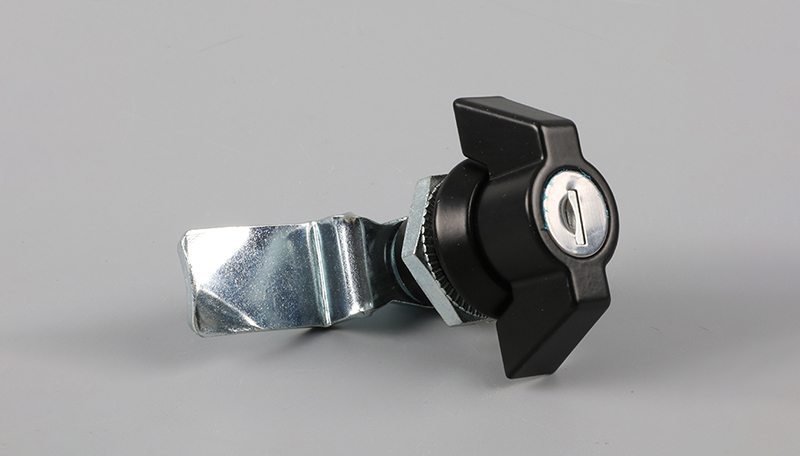
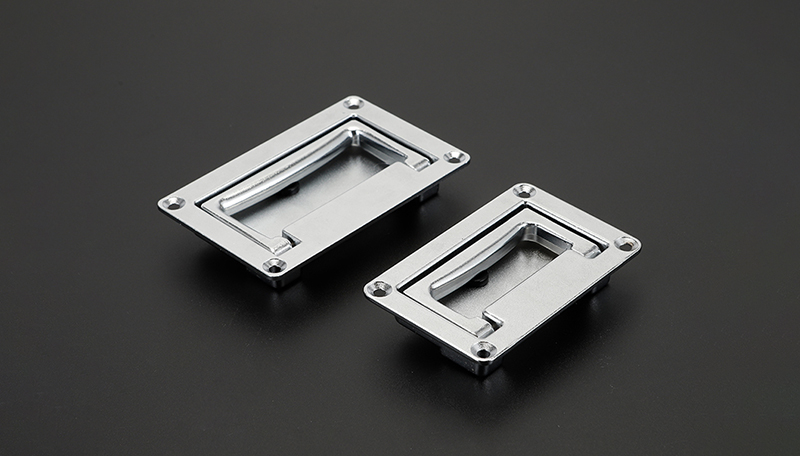
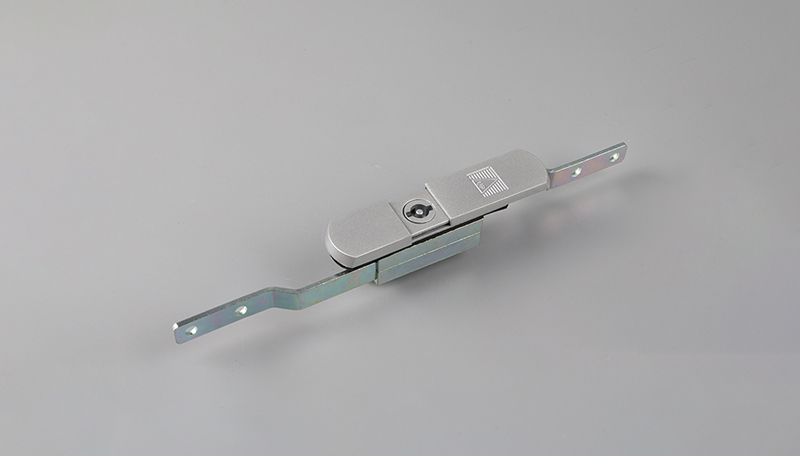
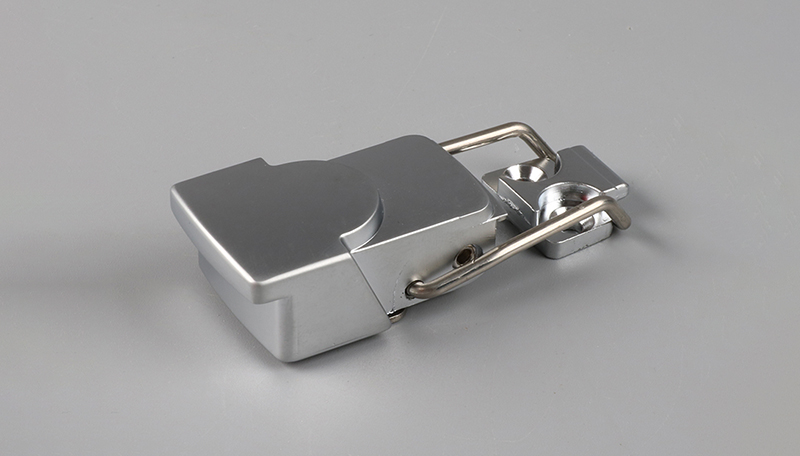
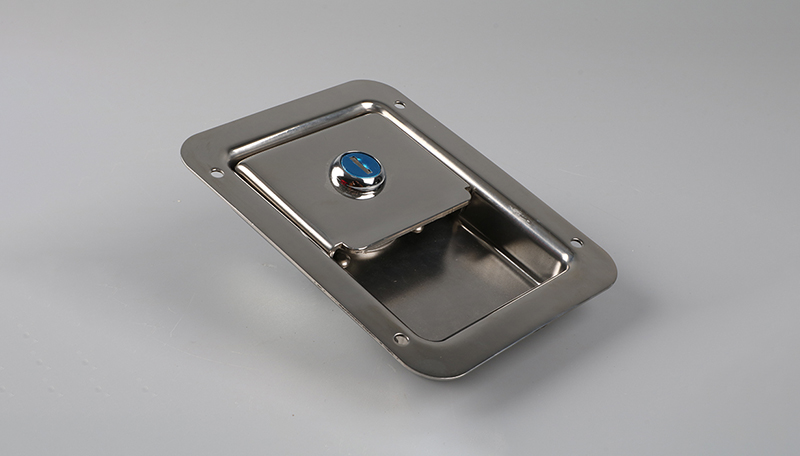
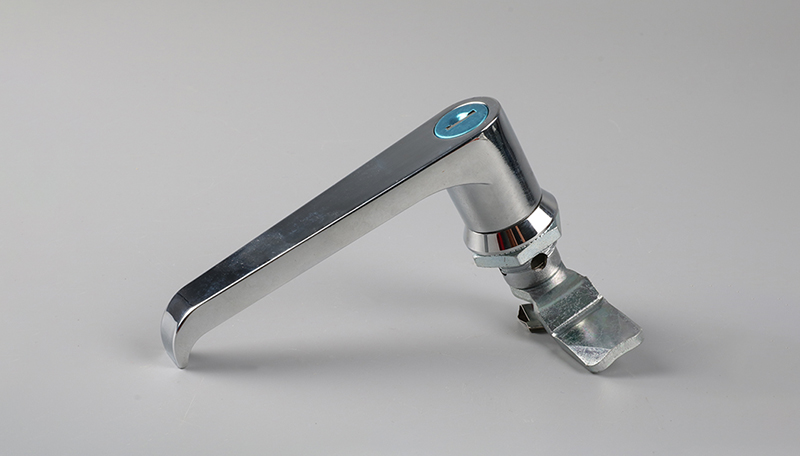
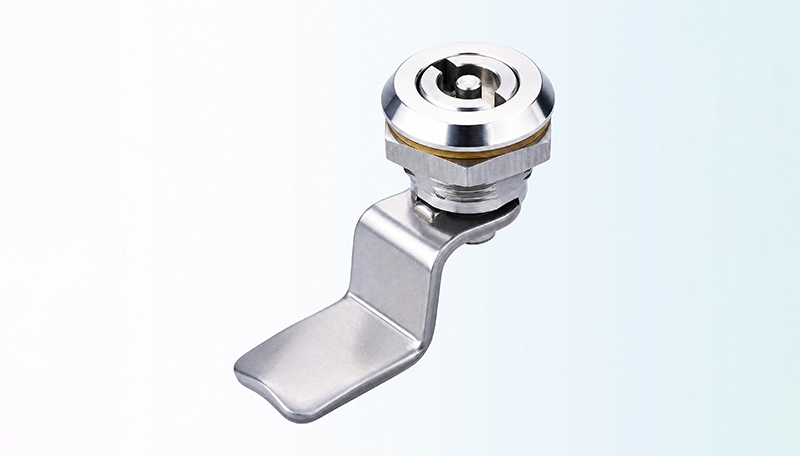
What Is an Electrical Board Cam Lock?
An electrical board cam lock is the hardware component that secures the door or cover of an electrical enclosure, preventing unauthorized access while allowing quick entry for qualified personnel. Unlike a threaded fastener that requires a screwdriver or wrench, this device uses a simple quarter-turn motion to engage a locking cam behind the panel flange. It is a small detail in the grand scheme of a switchboard or control cabinet, but getting the right style and size makes the difference between a panel that stays securely closed and one that vibrates open on the factory floor.
More Than Just a Latch: Safety and Compliance
When you are building or specifying a control panel, the locking mechanism is often an afterthought. From a safety standpoint, it is one of the most critical components on the door. The primary function of the cam lock is to restrict access to live terminals, circuit breakers, and sensitive control wiring. In many industrial settings, this is not just about keeping dust out. It is about meeting lockout/tagout procedures and preventing accidental contact with energized parts by unqualified bystanders.
A standard quarter-turn cam lock also provides a tactile and audible confirmation. When you rotate the key or wing handle, you feel the cam sweep over the door frame and seat firmly. That positive engagement means the door gasket is compressed evenly against the cabinet body. An uneven seal leads to moisture ingress and premature corrosion of the internal DIN rail components.
The Advantage of Simplicity in Field Service
If you have ever fumbled with a tiny slotted screw on a live panel front, the appeal of a quarter-turn system is immediate. These mechanisms offer several practical benefits for the installer and maintenance technician:
- Speed of Access: Troubleshooting a fault often requires opening multiple enclosures. A keyed cam lock opens instantly with a single motion, saving minutes per service call.
- No Loose Hardware: Traditional screws and nuts have a habit of falling into the wire duct or disappearing under the raised floor. The quarter-turn design retains the locking cam and the insert, so there are no small parts to lose.
- Vibration Resistance: In applications near large motors or pumps, threaded fasteners can gradually back out. The spring-loaded or detent design of these locking systems keeps the door tight even under constant harmonic vibration.
Where You Will Typically See These Installed
This hardware is found wherever an enclosure door needs to be secured but also opened frequently. Common application environments include:
1. Industrial Control Panels and MCC Buckets
Motor Control Center buckets often use a defeater mechanism integrated with the disconnect switch. The cam lock on the bucket door works in tandem with the main power handle to prevent the door from opening while the circuit is energized. This is a critical engineered safety interlock.
2. Data Center Racks and Server Cabinets
While the loads are different, the need for access control is the same. Colocation facilities use keyed-alike or combination-style locks on cabinet doors to ensure that only the client or authorized IT staff can access the patch panels and power distribution units inside.
3. Outdoor Disconnect Switches and Metering Equipment
Weatherproof enclosures for solar inverters, pool equipment, and HVAC disconnects rely on these quarter-turn devices. The design naturally sheds water because the lock face sits flush or slightly recessed, and the sealing O-ring prevents water from traveling down the lock shaft into the electrical compartment.
Choosing the Correct Style and Size
When you are replacing a worn-out latch or ordering for a custom panel build, the variety of options can seem overwhelming. Here is what to look for to avoid a mis-order:
- Grip Length: Measure the door thickness accurately. A grip that is too short will not engage the frame. A grip that is too long will not pull the door tight against the gasket, leaving it rattling loose.
- Cam Offset: The flat metal arm that swings behind the door frame is called the cam. They are available in straight, offset, or adjustable configurations. An offset cam allows you to fine-tune the compression on the gasket to get a perfect seal without slamming the door.
- Keying Options: Are you managing a facility with fifty identical panels? You may want a master-keyed system where one key opens all of them. For individual tenant spaces or security-sensitive areas, a unique key code or a tool-operated wing knob is often preferred.
Maintaining Long-Term Reliability
The mechanical action of a cam lock is robust, but the sealing O-ring is the component most likely to degrade over time, especially in direct sunlight or cold weather. If you notice that the lock is becoming difficult to turn or that the handle does not snap back into the flush position, it is likely due to a dry or swollen O-ring. A small application of silicone lubricant can restore smooth operation and preserve the NEMA rating of the enclosure.
For panel builders and facility managers alike, specifying the correct door hardware eliminates a common nuisance point. It keeps the enclosure sealed, the equipment protected, and the service technicians working efficiently without hunting for the right screwdriver tip.
