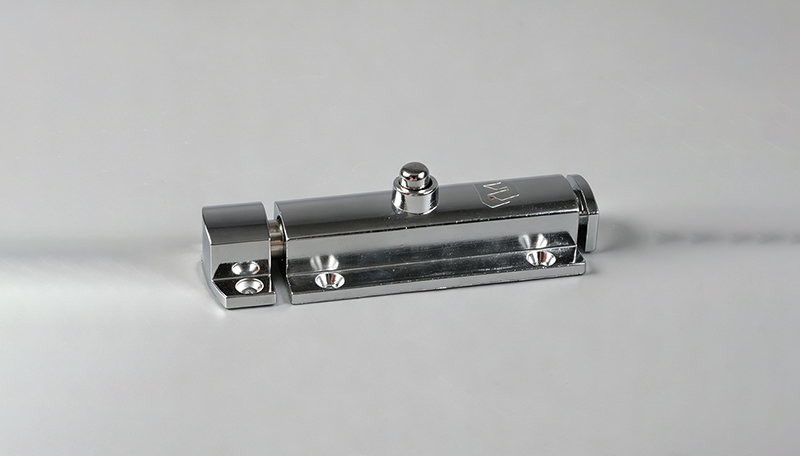
 Rod lock
Which Buckle Lock Suits Electrical Cabinets?
Choosing the right buckle lock for an electrical cabinet is not only about keeping the door closed. It affects cabinet sealing, equipment safety, maintenance efficiency, corrosion resistance, and long-term reliability. For buyers, engineers, and cabinet manufacturers, the best choice depends on the installation environment, cabinet size, sealing requirements, vibration level, and access frequency.
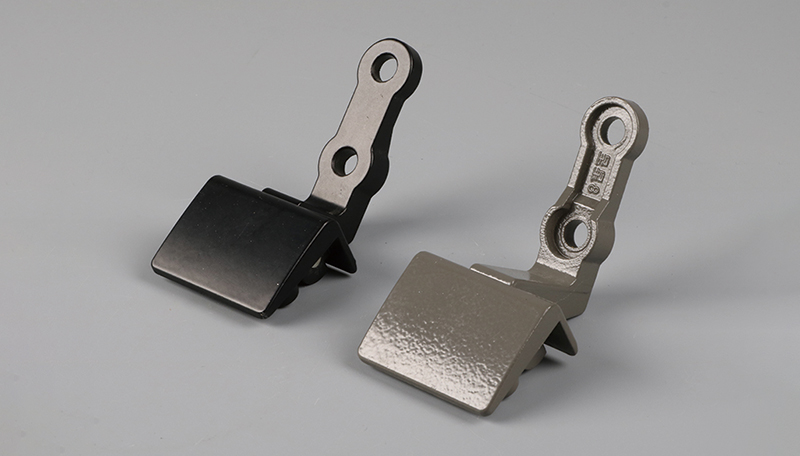
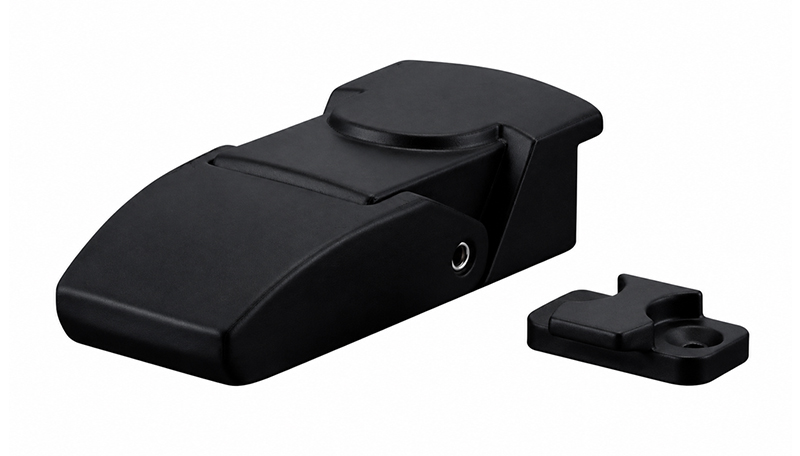
A Buckle Lock, also known as a buckle snap lock, draw latch, or industrial buckle lock, is widely used on electrical cabinets, control panels, distribution boxes, machinery covers, battery cabinets, and outdoor enclosures. Its main advantage is simple operation with firm clamping force, making it suitable for both daily maintenance and demanding industrial use.
Why Electrical Cabinets Need the Right Buckle Lock
Electrical cabinets protect important components such as circuit breakers, terminals, PLCs, relays, inverters, and meters. If the cabinet door cannot close firmly, dust, moisture, vibration, or unauthorized access may damage the internal equipment.
A suitable buckle lock helps the cabinet door stay aligned, compresses the sealing gasket properly, and reduces the risk of accidental opening. This is especially important for outdoor electrical cabinets, industrial automation equipment, power distribution cabinets, and machinery enclosures exposed to vibration or harsh conditions.
Key Factors When Choosing a Buckle Lock
Installation Environment
Indoor electrical cabinets in clean control rooms need less corrosion resistance than outdoor ones. Zinc-plated steel or standard stainless steel usually works indoors. For outdoor, humid, coastal, or chemical environments, stainless steel is the better choice it resists rust and weather damage more effectively.
Material and Surface Treatment
Service life depends heavily on material. Use zinc-plated carbon steel for dry indoor applications; stainless steel for outdoor or industrial use. In highly corrosive areas, opt for 304 or 316 stainless steel. A durable finish further reduces rust, scratches, and early failure.
Clamping Force and Adjustability
Rubber gaskets boost dust/water resistance on cabinet doors. The buckle lock must compress the gasket evenly with sufficient force, yet not so much that it deforms thin metal doors. Adjustable buckle locks offer a practical fix tension can be fine-tuned post-installation.
Vibration Resistance
On machinery, generators, vehicles, compressors, or mobile equipment, vibration resistance is essential. Use an over-center snap lock or heavy-duty industrial buckle lock to prevent loosening. Select models offer a safety catch or padlock hole for extra security.
Security Requirements
A padlockable buckle lock deters casual opening in public, construction, workshop, or outdoor settings. For higher security, pair it with a cam lock or access control device.
Which Buckle Lock Type Is Best for Electrical Cabinets?
Adjustable Buckle Lock
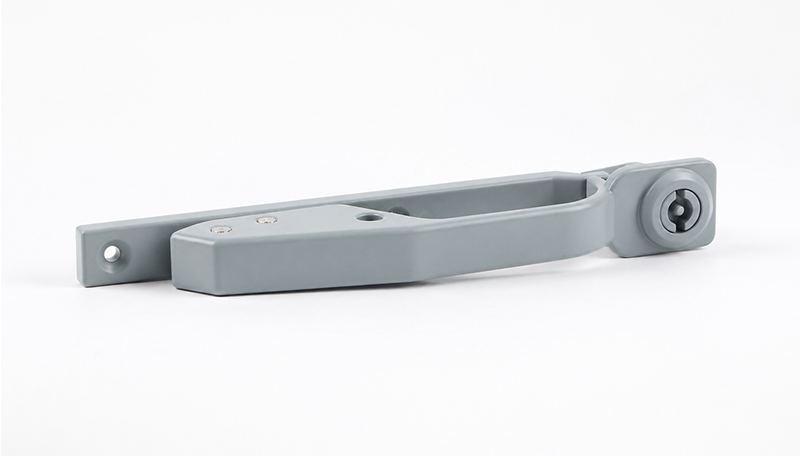
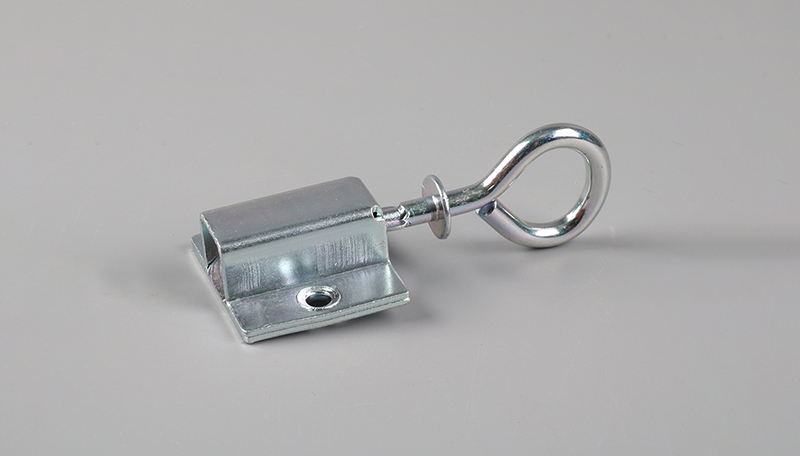
An adjustable buckle lock is one of the most flexible options for electrical cabinets. It allows users to adjust the pulling distance and sealing pressure, which is useful when the cabinet has a gasket or slight production tolerance. It is suitable for control cabinets, automation equipment, distribution boxes, and generator enclosures.
Stainless Steel Buckle Snap Lock
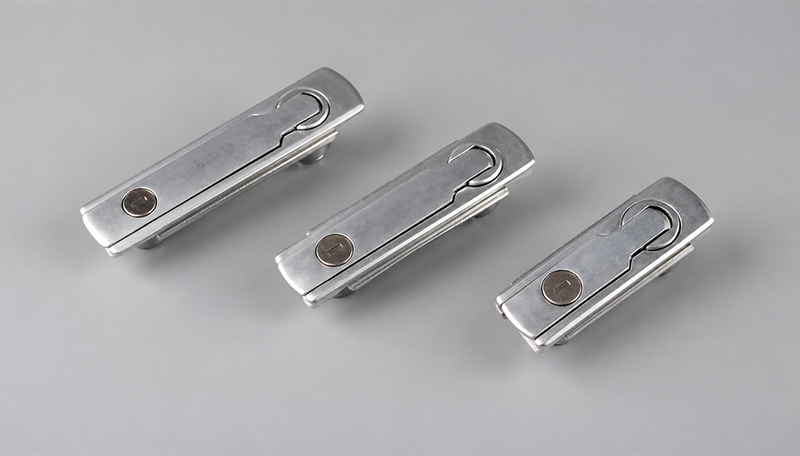
A stainless steel buckle snap lock is recommended for outdoor cabinets, humid factories, and environments exposed to dust, rain, or temperature changes. It offers strong corrosion resistance, smooth operation, and a clean appearance.
Heavy-Duty Industrial Buckle Lock
A heavy-duty industrial buckle lock is designed for larger doors, machinery covers, power equipment cabinets, and applications requiring higher clamping strength. It is a good choice when the cabinet door is heavy, frequently opened, or exposed to vibration.
Padlockable Buckle Lock
A padlockable design is useful when basic access protection is needed. It allows the user to add a padlock while keeping the fast-opening function of the buckle structure.
Recommended Choices for Common Applications
For indoor electrical control cabinets, a zinc-plated or stainless steel adjustable buckle lock is usually sufficient. It should be easy to install, stable in use, and suitable for the cabinet door thickness.
For outdoor electrical cabinets, a stainless steel adjustable buckle snap lock is generally recommended. It offers better corrosion resistance and helps maintain sealing pressure against rain and dust.
For vibrating equipment or heavy machinery, choose an over-center or heavy-duty industrial buckle lock with anti-vibration performance. If the cabinet is in a public or high-risk area, select a padlockable type for added protection.
How to Match the Lock with the Cabinet
Before purchasing, check the cabinet door gap, mounting space, gasket height, door thickness, and required pulling distance. The buckle lock should close smoothly without forcing the door out of shape. It should also avoid interference with hinges, handles, cable outlets, ventilation parts, or other accessories.
If the cabinet uses a sealing gasket, test the lock after installation. The door should close firmly, and the gasket should be compressed evenly. If the tension is too loose or too tight, an adjustable model will make correction easier.
Common Mistakes to Avoid
A common mistake is choosing based only on size or price. A latch may fit but still fail if the material or structure doesn't suit the working environment. Another mistake is using an indoor lock outdoors, where moisture quickly causes rust. Also, basic latches can loosen on equipment that vibrates or rotates.
Quick Quality Checklist
- Material grade and surface treatment
- Clamping force and adjustable range
- Corrosion resistance for the target environment
- Compatibility with cabinet gasket and door thickness
- Vibration resistance and safety structure
- Ease of installation and long-term maintenance
FAQ About Buckle Locks for Electrical Cabinets
How to use a buckle lock?
Align the latch with the catch plate, then press or pull the handle until it snaps into the closed position. The lock should pull the cabinet door tightly against the frame. To open it, release the handle and disengage the hook. During installation, make sure the latch and catch are aligned correctly.
How to select a durable buckle lock?
To select a durable Buckle Lock, consider the material, structure, surface finish, cabinet size, and working environment. Stainless steel is preferred for outdoor or humid conditions, while adjustable tension is useful for cabinets with sealing gaskets.
Can a buckle lock improve waterproof performance?
A buckle lock does not create waterproof protection by itself, but it helps compress the cabinet gasket. When used with a proper sealing design, it can support dustproof and waterproof performance.
Summarize
Choose a buckle lock that matches the cabinet structure, environment, sealing, and security needs. An adjustable stainless steel buckle snap lock balances durability, convenience, and sealing for most applications. For outdoor, vibrating, or harsh conditions, a heavy-duty stainless steel industrial buckle lock is the safer choice. The right selection improves reliability, reduces maintenance, and increases buyer confidence.