
 Rod lock

Which Plane Lock Fits Industrial Machinery?
Choosing the right Plane Lock for industrial machinery is not just about closing a panel. In real working environments, the lock must keep machine doors secure, resist vibration, protect internal components, and allow technicians to access equipment safely and efficiently.
For buyers, engineers, and OEM manufacturers, the best choice depends on the application environment, panel structure, sealing requirements, access frequency, and security level. This guide explains how to select the right Plane Lock for industrial machinery and what details to check before purchasing.
What Is a Plane Lock?
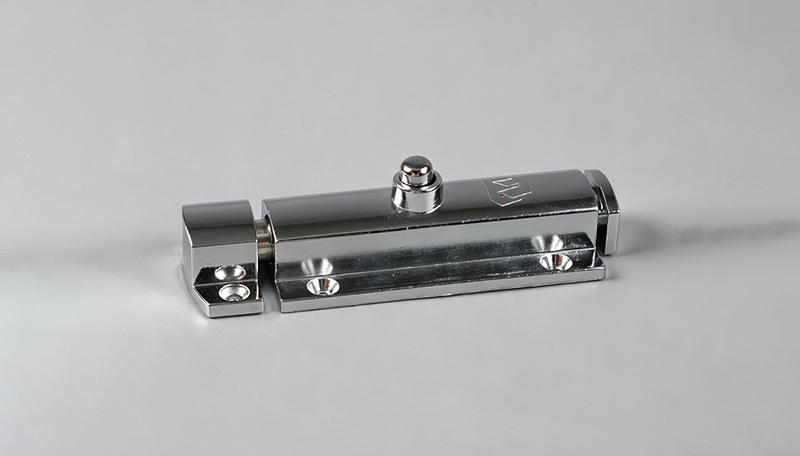
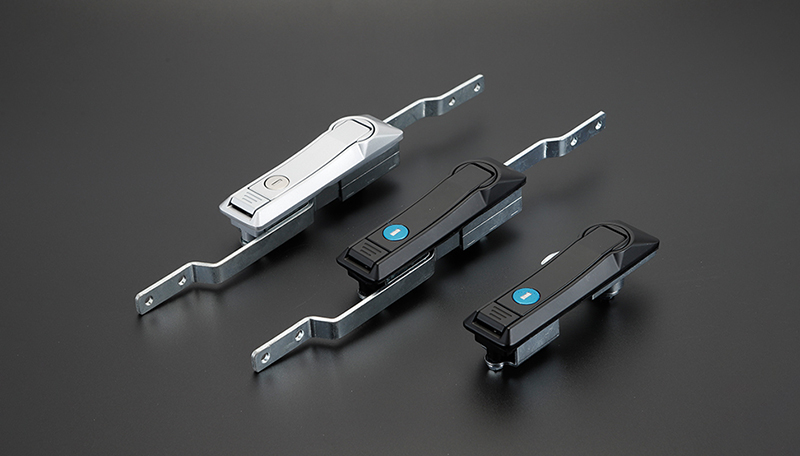
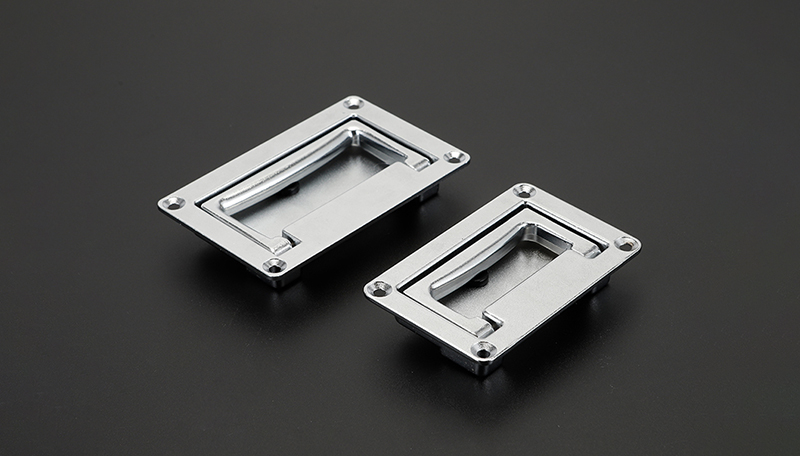
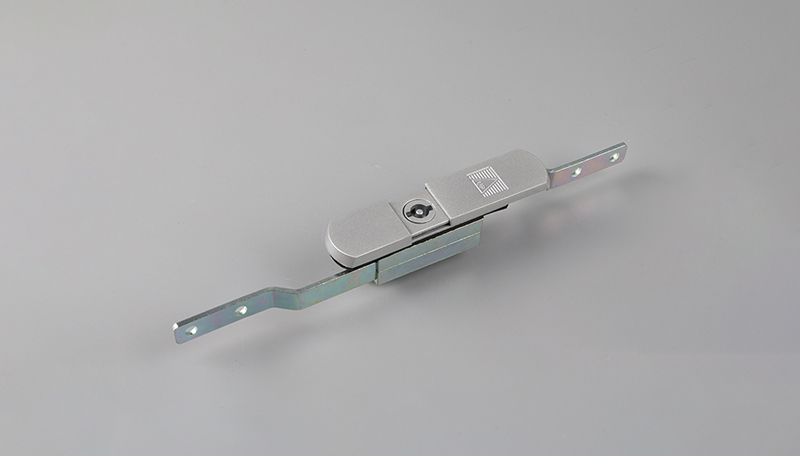
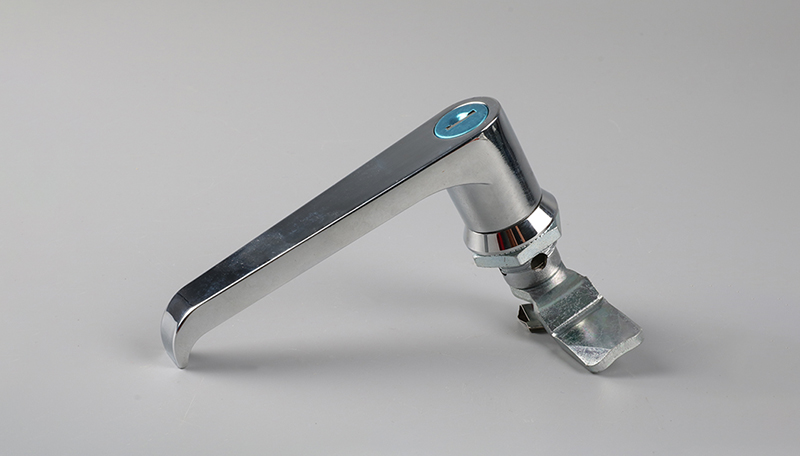
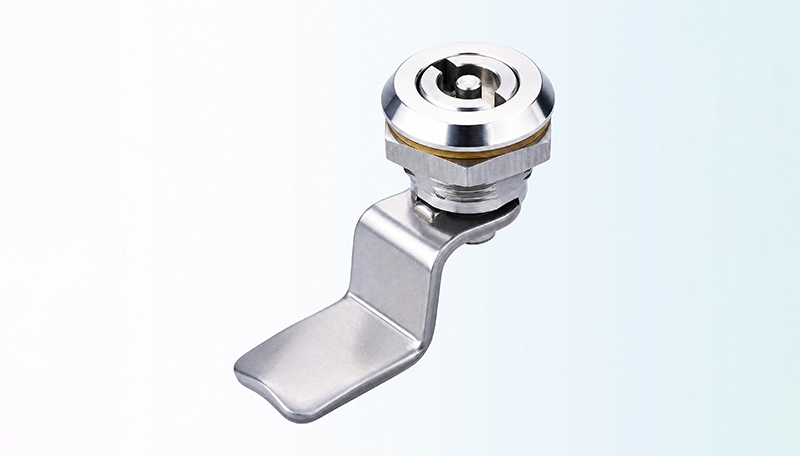
A Plane Lock, also known as a plane latch, panel lock, or flush-mounted industrial lock, is a locking device used on machinery doors, access panels, electrical cabinets, control boxes, and industrial enclosures. It is usually designed with a flat or low-profile surface, which helps reduce protrusion, prevent accidental impact, and improve the overall appearance of the equipment.
When operated by a key, handle, or tool, the internal cam or latch mechanism secures the panel against the frame. On industrial machinery, this helps prevent accidental opening caused by vibration, movement, or unauthorized access.
Which Plane Lock Works Best for Industrial Machinery?
The best plane lock for industrial machinery is usually a heavy-duty, vibration-resistant model made from a suitable material for the working environment. For indoor machines, a zinc alloy plane latch panel lock is often a practical and cost-effective choice. For outdoor equipment, wet environments, marine applications, or corrosive workplaces, a stainless steel waterproof plane lock is generally more reliable.
If the equipment is exposed to dust, rain, oil mist, coolant, or cleaning water, choose a waterproof or sealed design with a gasket. If the machinery vibrates continuously, such as generators, compressors, railway equipment, or automation systems, a compression plane lock or a reinforced latch structure is recommended.
Key Factors to Consider
Material and Corrosion Resistance
Zinc alloy plane locks are widely used for electrical cabinets, indoor machinery, and general industrial equipment because they offer good strength and surface finish at a reasonable cost. Stainless steel plane locks, especially 304 or 316 stainless steel, provide better corrosion resistance and are suitable for outdoor, marine, food processing, chemical, and high-humidity environments.
Waterproof and Dustproof Performance
A waterproof plane lock is important when the machine is exposed to rain, dust, coolant, steam, or washdown cleaning. Rubber gaskets, tight-fitting housings, and compression structures help protect the enclosure and reduce the risk of internal component damage.
Vibration Resistance
Industrial machinery often operates with constant vibration. A poor-quality lock may loosen, rattle, or fail over time. A suitable Plane Lock should have a stable handle, secure cam or latch, and strong closing force to keep the panel firmly shut during operation.
Panel Thickness and Installation Size
Before ordering, confirm the panel thickness, cut-out size, mounting holes, lock body depth, and cam length. For OEM projects, it is best to check drawings or samples before mass production. For replacement use, measure the existing lock carefully to avoid installation problems.
Security and Access Control
Different machines require different access methods. Some panels only need tool-operated access, while others require key locking to prevent unauthorized operation. Common options include keyed locks, square key, triangle key, double-bit key, knob type, and customized key systems.
Plane Lock vs. Standard Cam Lock
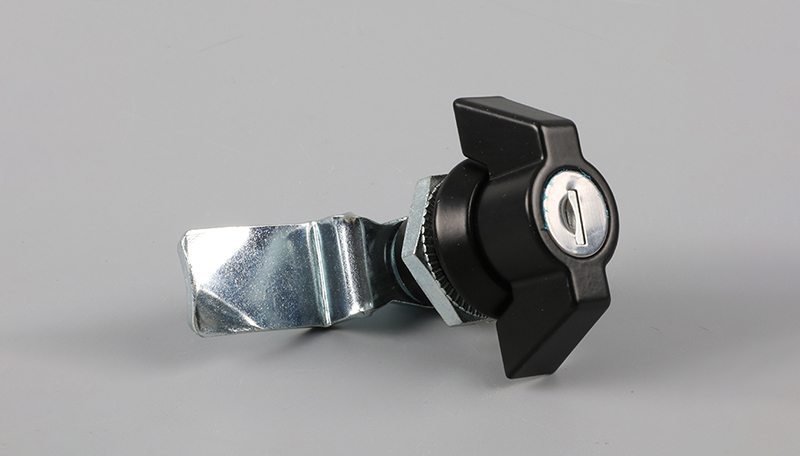
A standard cam lock is a simple locking device often used on light-duty cabinets, drawers, and small panels. It is compact and economical, but it may not provide enough strength, sealing, or operating comfort for industrial machinery.
A plane lock is usually stronger and more suitable for machine doors, electrical enclosures, and heavy-duty panels. Many plane locks are flush-mounted, making them safer around moving equipment and reducing the risk of impact or snagging. Compared with a standard cam lock, a plane lock typically offers better durability, better grip, improved sealing options, and stronger resistance to vibration.
Common Types of Plane Locks
Flush Plane Lock
A flush plane lock sits close to the panel surface. It is ideal for machinery where protruding parts could be damaged or create safety risks, such as automation equipment, CNC machines, and control cabinets.
Waterproof Plane Lock
A waterproof plane lock is designed with sealing components to block water and dust. It is commonly used on outdoor electrical enclosures, communication cabinets, generator housings, railway equipment, and energy storage systems.
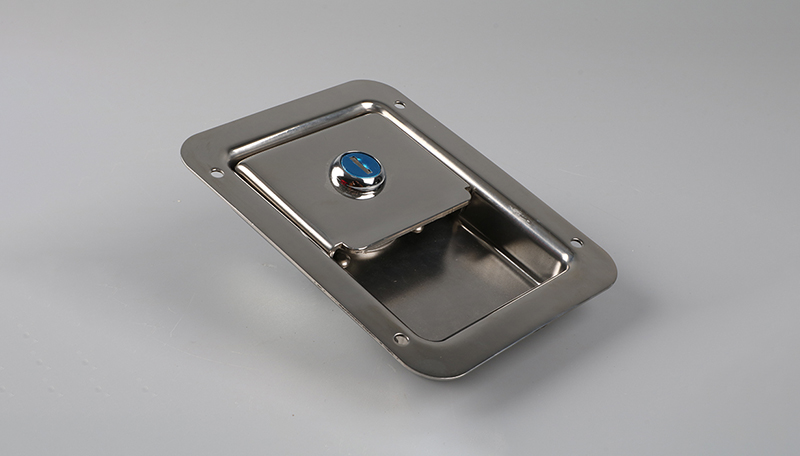
Keyed Plane Latch Panel Lock
A keyed plane latch panel lock helps control access and is suitable for electrical cabinets, safety guards, machine covers, and equipment compartments that should only be opened by authorized personnel.
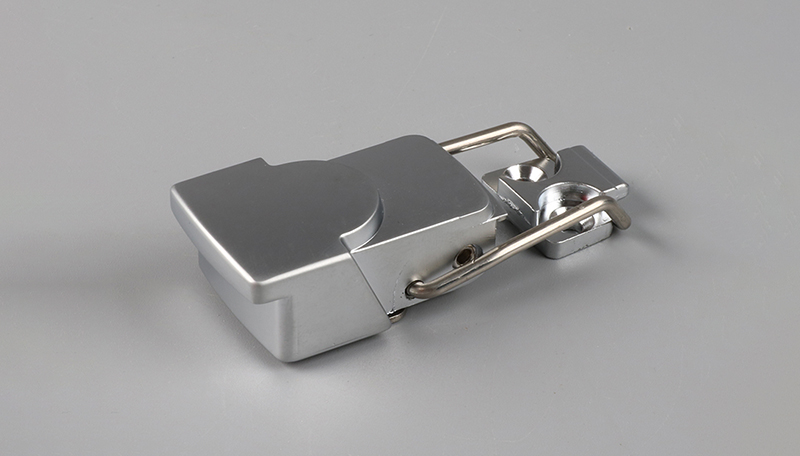
Compression Plane Lock
A compression plane lock pulls the door tightly against the frame, improving sealing and reducing vibration. It is a good choice for equipment that requires dustproof, waterproof, or high-stability performance.
How to Choose for Different Applications
For CNC machines and automation equipment, choose a flush-mounted metal plane lock with smooth operation and good vibration resistance. For outdoor electrical cabinets and communication enclosures, select a waterproof model with corrosion-resistant material and a reliable gasket.
For food processing or pharmaceutical machinery, stainless steel is often preferred because it is easier to clean and resists corrosion. For marine equipment, coastal installations, and chemical plants, 316 stainless steel is usually the better option. For transportation, railway, and construction machinery, prioritize impact resistance, strong locking force, and anti-vibration performance.
Quick Buying Checklist
- Confirm whether the equipment is used indoors, outdoors, or in a corrosive environment.
- Choose the right material: zinc alloy, stainless steel 304, stainless steel 316, or engineering plastic.
- Check panel thickness, cut-out size, mounting holes, and internal clearance.
- Decide whether waterproof, dustproof, compression, or vibration-resistant performance is needed.
- Select the access method, such as keyed, tool-operated, knob type, or custom key system.
- Review drawings, samples, and test data before bulk purchasing.
FAQ: Plane Locks for Industrial Machinery
Which Plane Lock works best for industrial machinery?
The best choice depends on the environment. For indoor equipment, a zinc alloy plane latch panel lock is often suitable. For outdoor, wet, corrosive, or high-vibration applications, a stainless steel waterproof or compression plane lock is usually better.
What is a plane lock and how does it work on industrial machinery?
A plane lock is a panel locking device used to secure machine doors, access covers, and industrial enclosures. It works through a handle, key cylinder, cam, latch, or compression mechanism that fastens the panel to the frame.
What are the key differences between a plane lock and a standard cam lock?
A cam lock is typically used for light-duty cabinets and small panels. A plane lock is stronger, often flush-mounted, easier to operate on larger panels, and better suited for industrial machinery that requires sealing, durability, and vibration resistance.
Is a waterproof plane lock necessary for indoor machinery?
Not always. However, if the machine is exposed to coolant, oil mist, steam, dust, or cleaning water, a waterproof or sealed design is recommended even for indoor use.
Choosing a Reliable Plane Lock Supplier
A reliable supplier should provide clear product drawings, material details, samples, surface treatment information, and testing data when needed. For OEM machinery, the supplier should also understand installation requirements, customization options, and long-term quality consistency.
The right supplier can help you avoid mismatched dimensions, poor sealing, weak materials, and unstable performance. This is especially important when the lock is used on machinery that must operate safely and continuously.
For industrial machinery, the most suitable Plane Lock is the one that matches your working environment, panel design, sealing needs, vibration level, and access requirements. Indoor equipment may only need a durable zinc alloy plane latch, while outdoor, corrosive, or high-vibration applications often require stainless steel, waterproof, or compression designs. By checking these details before purchasing, you can improve safety, reduce maintenance problems, and choose a lock that performs reliably over the long term.
