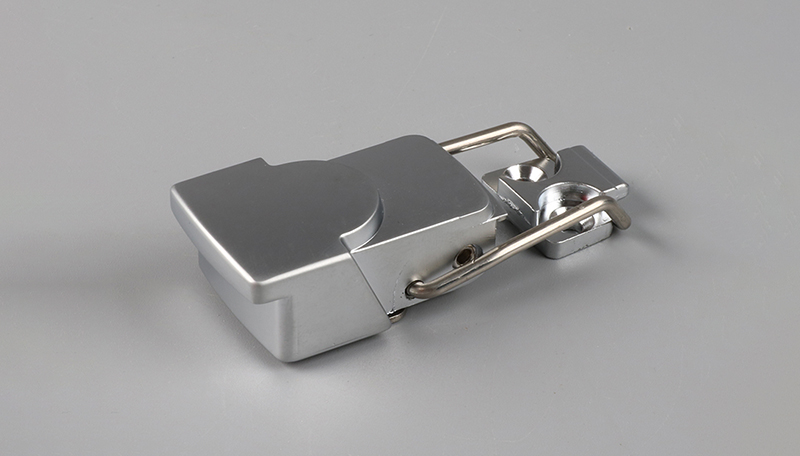
Rod lock

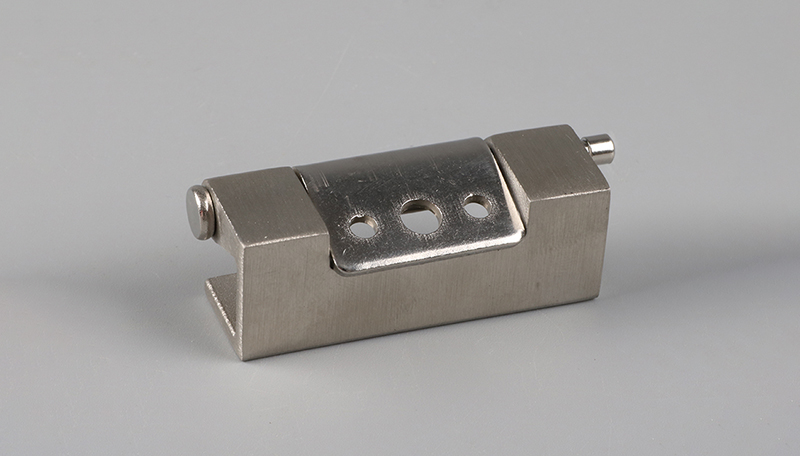
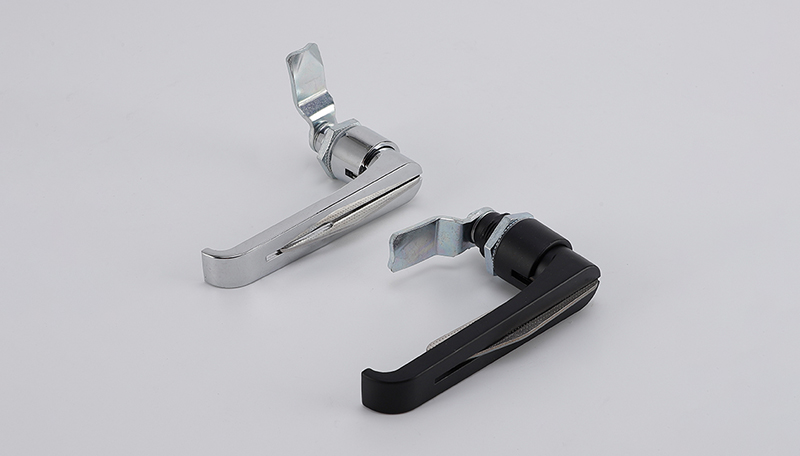
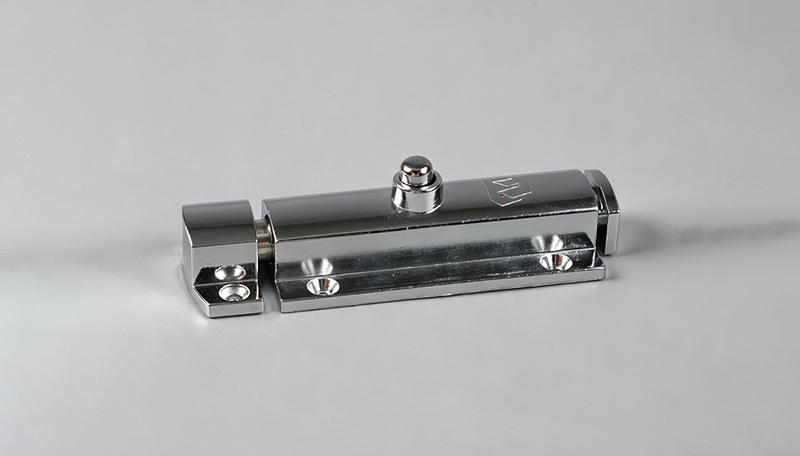
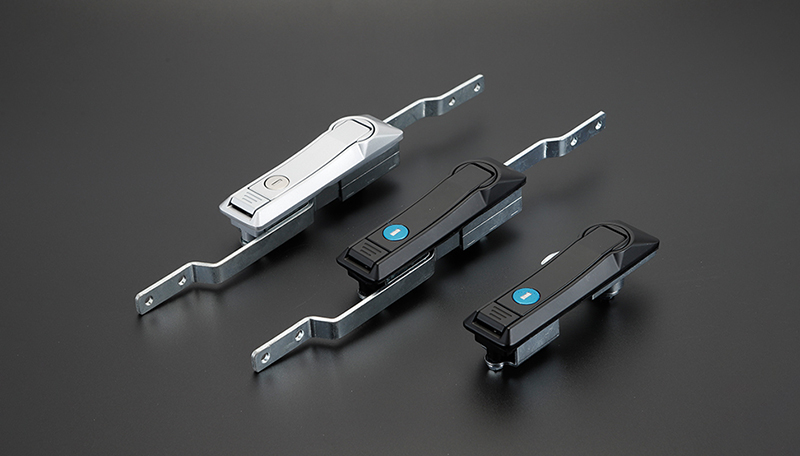
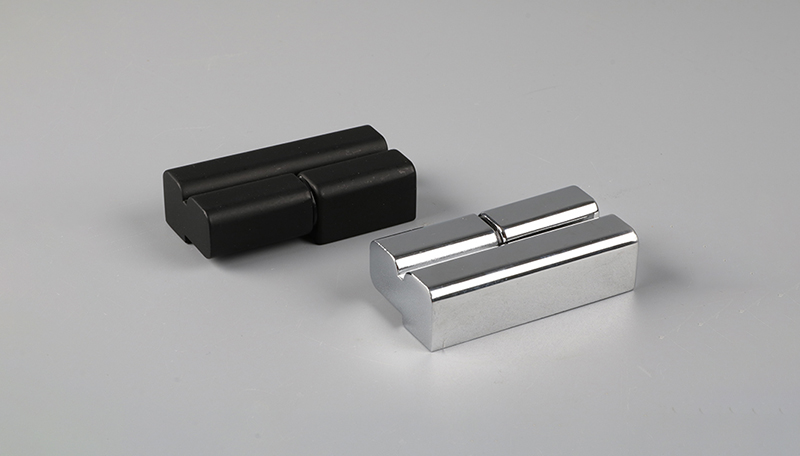
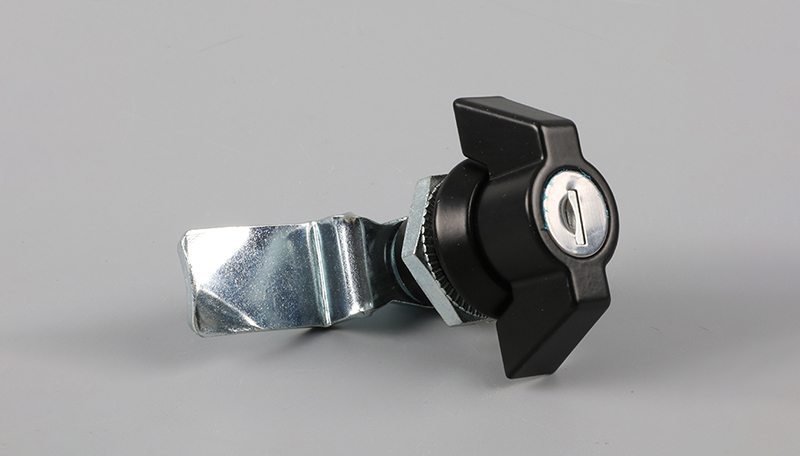
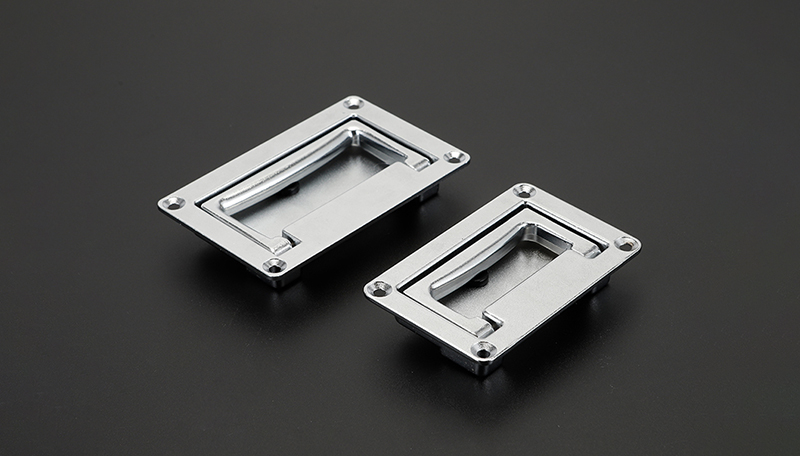
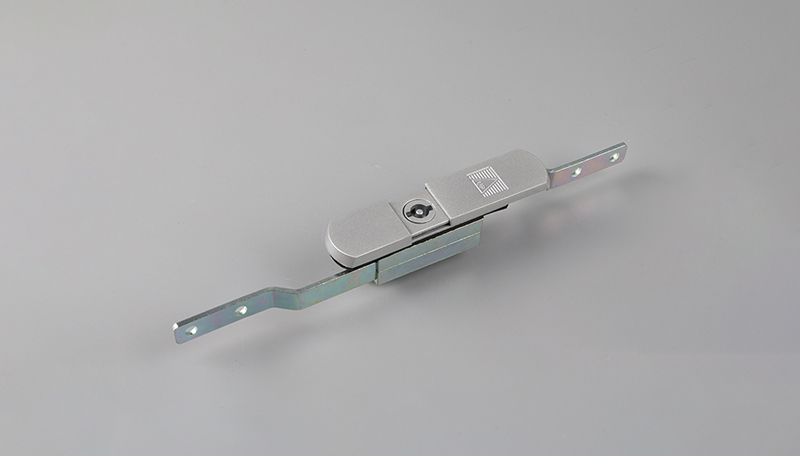
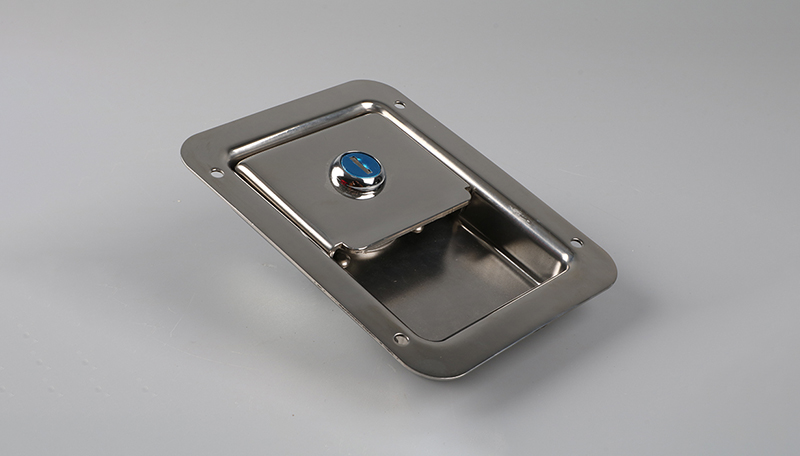
Buckle Lock – Specifications, Materials & Applications
Buckle locks play an important role in many sectors, ranging from the fastening of bags to the safety of machinery. Knowledge of the specifications, materials, and uses of buckle locks guides users in picking the most suitable one for their purposes.
Buckle Lock Key Specifications & Dimensions
The choice of a buckle lock will depend heavily on the locking mechanism type and its size and load capacity. Most buckle locks come with a locking mechanism that is very secure, but easy to operate. Manufacturers provide specifications that vary according to their version of the lock, but the main specifications remain constant.
Common Materials Used in Buckle Lock Construction
Buckle strap lock's construction materials critically affect the quality and reliability. Among the materials used are:
- Stainless Steel: Offers excellent resistance to corrosion and high strength.
- Aluminum: Lightweight yet robust, suitable for numerous applications.
- Plastic: Provides a cost-effective solution with moderate strength for lighter loads.
Selecting an appropriate material will depend on the environmental factors coupled with unique prerequisites of your application.
Typical Applications of Buckle Locks in Industrial Equipment
Buckle ladder locks are often incorporated into industrial applications since they are important parts of safety harness systems, load securing systems, and equipment closures. The effectiveness of these systems makes them ideal solutions in many tough applications.
How to Choose the Right Latch for Your Device
The selection of an appropriate buckle lock takes into account such aspects as the load limit required, the surrounding conditions and fastening mechanism. Getting help from experts or reviewing the instructions from manufacturers can help the user make an informed decision when looking for an appropriate latch to ensure safety and efficiency.
FAQ
1. What are the main types of buckle locks available?
There are different types of Buckles including side-release buckles, cam buckles, and ladder lock buckles. Each of these types serves a different purpose ranging from quick releases to load adjustments and has its own advantages.
2. How can I maintain my buckle locks for optimal performance?
It is very important to regularly clean and inspect the buckle for debris or signs of wear. Metal components may need to be lubricated to ensure smooth operation of the locking function.
3. Are there specific standards for industrial buckle locks?
Indeed, there are several industry standards, such as ISO and ANSI standards, in place to ensure that the buckle lock actually performs in accordance with the safety and performance requirements. You should also check if the industrial buckle lock meets these standards.
To conclude, the knowledge of buckle locks specifications, types of materials, and applications could influence the effectiveness of safety and security measures across various situations. Selecting the right type of lock provides the efficiency of operation while also ensuring the durability and reliability of your machines which results in greater customer satisfaction.