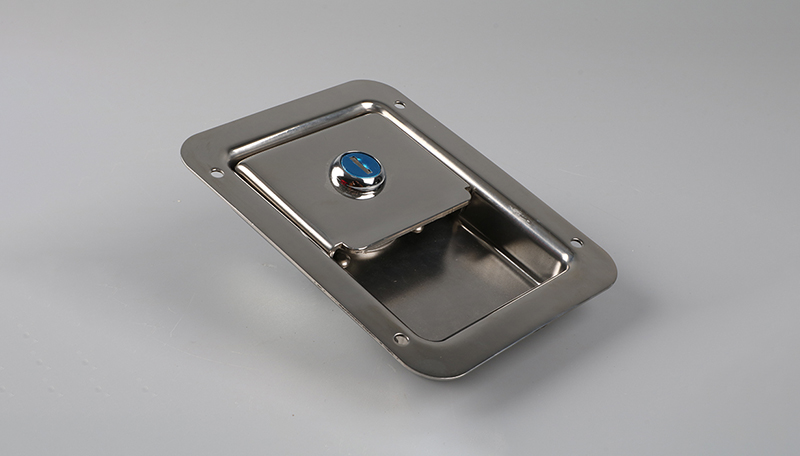
Rod lock

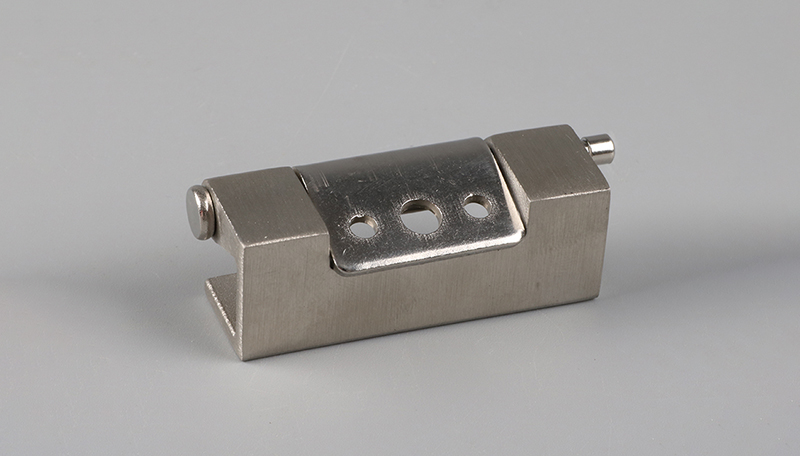
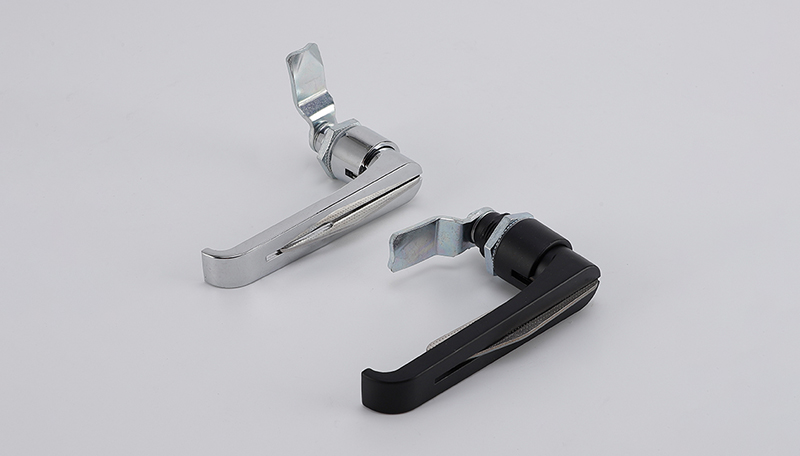
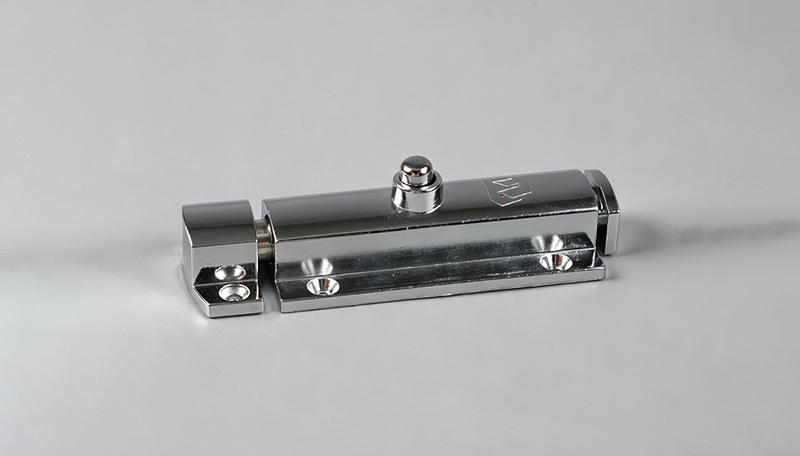
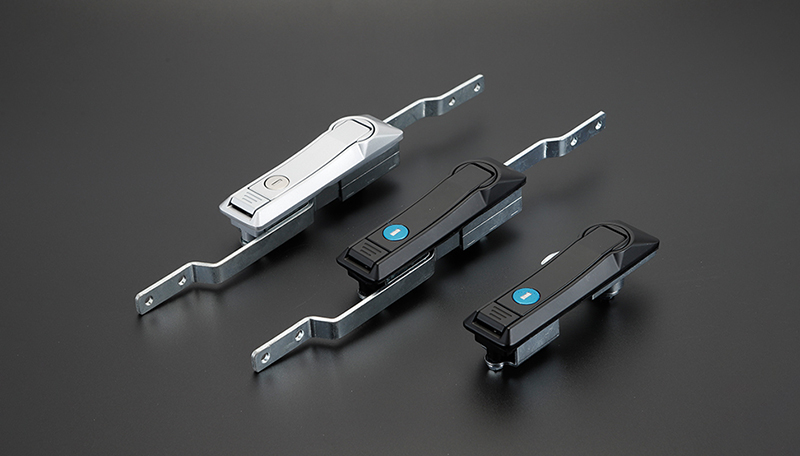
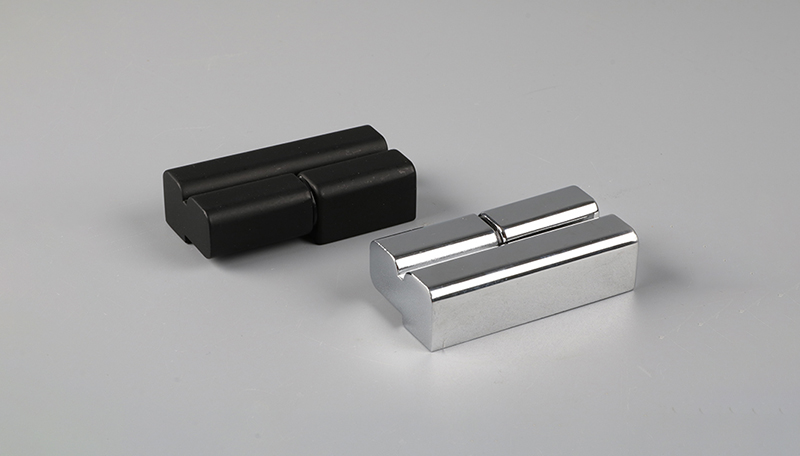
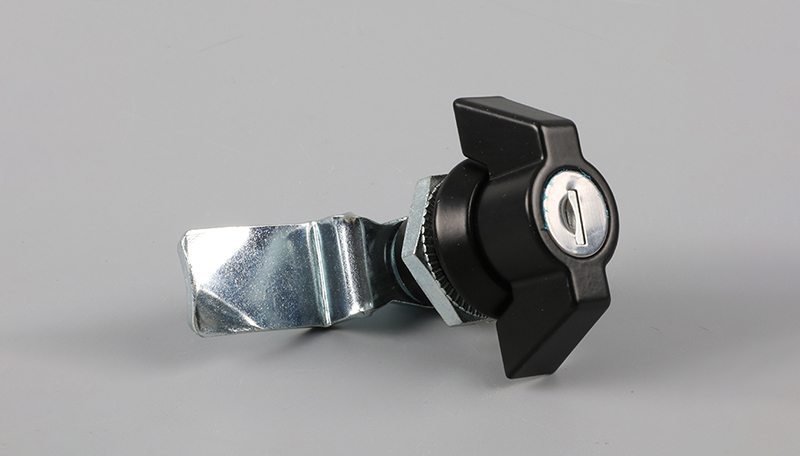
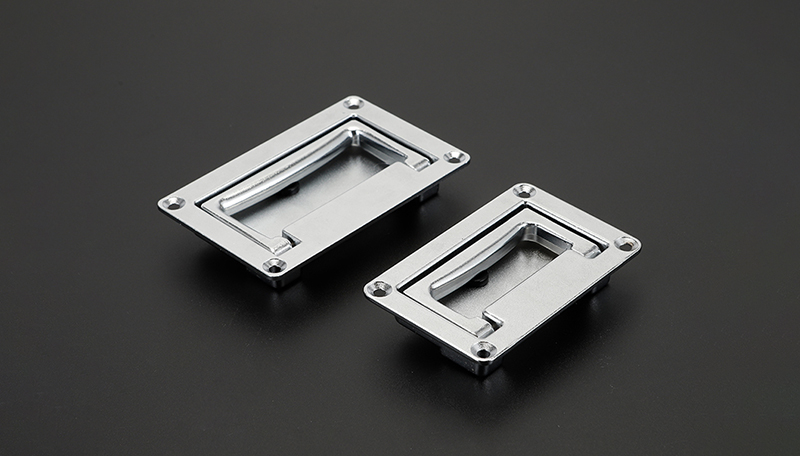
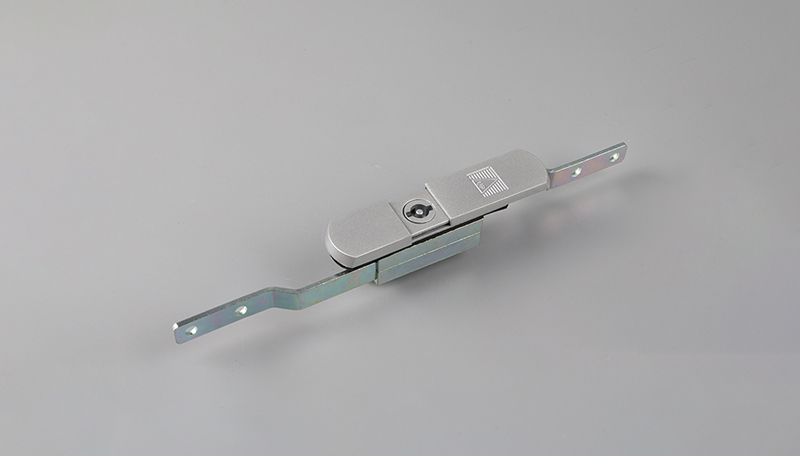
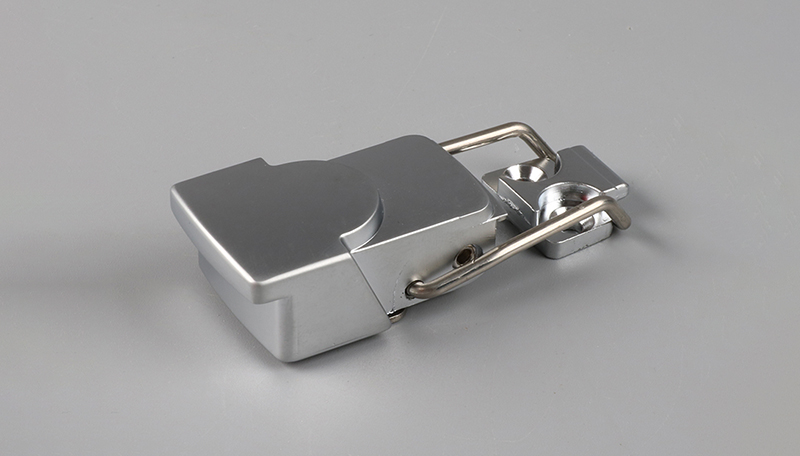
Plane Lock – Specifications, Materials & Applications
Selecting a suitable Plane Lock (which is also referred as Panel Lock or Flush Lock) is very important. Plane locks, unlike any other conventional locks, are sitting flush, thus making a viable option against snagging, dirt, and water.
It outlines the necessary specifications and material differences as well as how to choose the appropriate lock without overpaying.
Key Specifications & Dimensions
Prior to making a purchase, it is important to check three essential measurements in order to make sure that the lock is the right size for your enclosure panel.
|
Parameter |
Description |
Why It Matters |
|
Panel Cutout Size |
The size of the hole in the door (e.g., 22mm, 30mm). |
Determines if the lock body fits through the panel. |
|
Grip Range (Depth) |
The adjustable length of the shank/bolt. |
Must match your door thickness + gasket compression. |
|
Cam Type |
The shape of the internal turning mechanism (e.g., double-bit, triangle, square). |
Determines compatibility with your existing keys or actuators. |
Common Materials: Which One Do You Need?
The choice of materials determines how long a padlock will last and how much they will cost. Do not spend more money on buying 316 Stainless steel padlocks if Zinc Alloy is sufficient.
Zinc Alloy:
- Best for: Indoor electrical cabinets, dry environments.
- Pros: Cost-effective, good strength, allows for complex shapes.
- Cons: Poor corrosion resistance in wet/salty air.
Stainless Steel 304:
- Best for: Food processing, outdoor HVAC, general industrial use.
- Pros: Excellent rust resistance, durable.
- Cons: More expensive than zinc.
Stainless Steel 316:
- Best for: Marine environments, chemical plants, high-salinity areas.
- Pros: Superior corrosion resistance.
- Cons: Highest cost.
Typical Applications
Although plane locks have many applications, they were originally created for the purpose of providing a smooth exterior finish.
- Telecommunication Enclosures: Prevents vandalism and maintains IP65/IP66 ratings.
- Transportation (RVs & Trucks): The flush design reduces wind drag and prevents damage during washing.
- Industrial Machinery: Protects internal controls from dust and accidental bumps.
FAQs
Q: What is the difference between a Plane Lock and a Cam Lock?
A "Cam Lock" describes the internal mechanism that facilitates locking by turning the cam (thus it is called). On the other hand, a "Plane Lock" refers to its external design (which is flat). In addition, most plane locks employ a cam in the locking mechanism inside.
Q: Can I replace my old lock with a different brand?
It would be possible. The only condition is that panel cutout dimension and grip size should match. Most locks used in industry come in standardized sizes (like JIS or DIN).
Q: What does "compression" mean in plane locks?
This signifies that once you rotate the lock, the door is firmly pressed in against the frame, thus allowing the seal to do its job of keeping the water away.
Conclusion
Choosing the right plane lock comes down to three key factors: matching the panel cutout and grip range to your enclosure, selecting the appropriate material based on the operating environment, and understanding the cam type required for your locking mechanism. Zinc alloy offers a cost-effective solution for indoor use, while 304 stainless steel suits general industrial applications, and 316 stainless steel is reserved for the harshest corrosive environments. By focusing on these specifications rather than over-specifying materials, you can secure your equipment reliably without overspending.