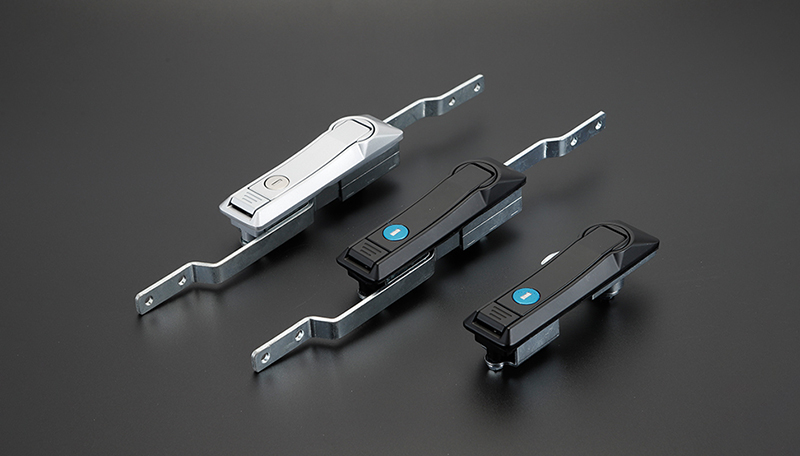
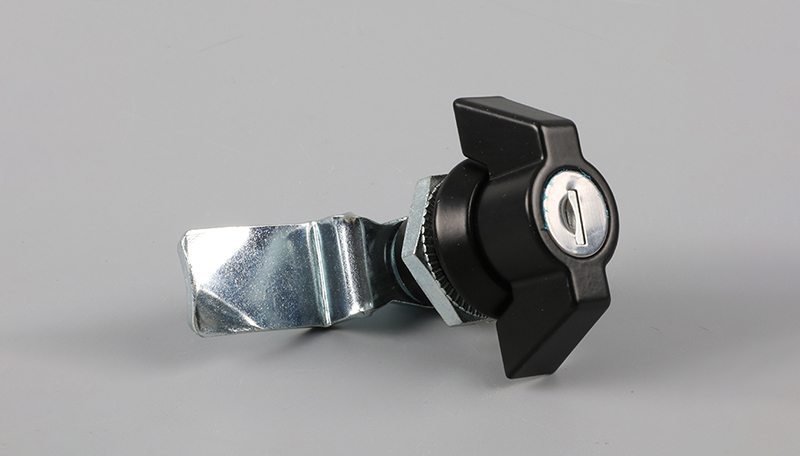
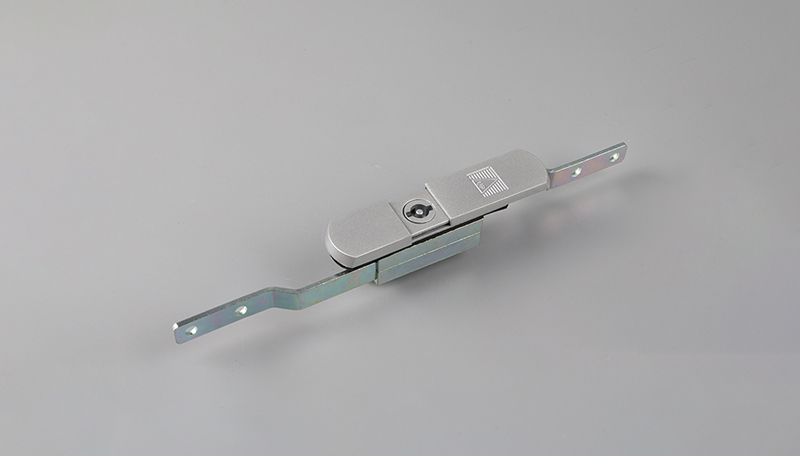
Rod lock

Cabinet Hinges Guide: Types, Sizes & How to Choose
When choosing cabinet hinges, it is important to take into account their purpose not only in home cabinets but also in industrial applications. Cabinet hinges are important components of hardware used in electrical cabinets, in means of transport such as trains and travel trailers, and especially in all kinds of industrial-appropriate boxes. The appropriate hinges guarantee good access and safe closing. In this article, we will examine various types, dimensions, and materials, as well as how to select the right cabinet hinges suitable for both home and industrial needs.
Understanding Cabinet Hinges in Industrial Settings
Cabinet hinges play a key role across a range of sectors. In electrical distribution cabinets they open doors and access panels smoothly for inspections and maintenance while providing reliable closings that keep the equipment protected. It is also the case in transport vehicles like coach cabins and caravans where hinges must be really durable, resistant to vibration and safe. Their strength makes hinges perfect for heavy-duty applications.
In industrial uses, hinges face heavy weights, continual stiffness and may be exposed to dust, vapor and chemicals. Choosing the hinges adapted particularly to these conditions will ensure that cabinets or other devices are easy to reach and function.
Types of Cabinet Hinges for Industrial Use
Even though there are various kinds of hinges for general cabinetry, specific industries have their particular types of hinges:
Concealed or Hidden Hinges: Due to their safety features and neat look, hidden cabinet hinges are commonly used in various distribution cabinets and technical enclosures. The manner in which they have been designed ensures that the doors can be either flush or overlapping with the frame, thus minimizing the chance of tampering and enabling easy access to the cabinets.
Butt Hinges: This traditional and strong hinge type is suitable for industrial doors that need to support a great deal of weight, such as large distribution ports.
Flush Cabinet Door Hinges: Important for doors that are flush with the cabinet frame, these types of hinges ensure stability and sealing of the cabinet—vital for electrical distribution cabinets.
Continuous Hinges (Piano): These extend the full length of the door, giving it complete support and extra strength. Hence they are suitable for vertical and heavy-duty industrial doors.
Other choices may involve wrap and pivot hinges depending on the design of the housing and necessary movement. Correctly chosen hinges will guarantee safety, efficient work, and durability.
How to Measure Cabinet Hinge Sizes
Correct measurements are necessary for the good functioning of hinges in an industrial setting. First, measure the thickness and dimensions of the cabinet door. In the case of distribution cabines, it is necessary to determine how far the door needs to extend out of the frame before selecting hinges.
Secondly, the distance between the edges of the cabinet door and the mounting holes must be considered.
Doors of a technical or vehicular enclosure may be heavy and thick. Therefore, verify whether the hinges can carry the weight of the door. Look at the makers' specifications regarding weight capacity, placement of screw holes, and overlay or inset. Accurate measurements of the door are necessary for proper installation and functioning.
How to Choose the Right Cabinet Hinges for Industrial Cabinets
The selection of hinges for industrial situations in the context of distribution cabinets, train cars, or RVs is not the same as that of hinges used in the home.
Durability and Load Rating: Industrial hinges need to stand the test of time, particularly if they are in regular use. Seek out hinges rated for high weight loads and produced from sturdy materials.
Resistance to Corrosion: Places such as vehicle cabins or electric boxes may have incredibly humid atmospheres or come into contact with dangerous chemicals.Stainless steel hinges or those coated with anti-corrosive coatings are recommended.
Safety: Electric distributions cabinets are equipped with concealed hinges that safeguard against interference and shield delicate instruments. Thus, make sure hinges operate effectively.
Easy Maintenance: The Technical hinges must provide ease of access for maintenance. Opt for hinges that have the feature to adjust and quickly release.
Tailoring: Custom hinge measurement, angles, or mounting plates may be necessary for certain industrial usage. Always ensure that there are no compatibility issues with your cabinet construction and installation area.
Cabinet Hinge Materials & Finishes for Industrial Uses
Materials matter greatly in industrial environments, influencing both performance and service life:
The popularity of stainless steel is evident in distribution cabinets and transport vehicles, because of its remarkable resistance to corrosion, as well its strength and durability.
Steel and zinc alloy also provide a good balance of cost and strength and are generally used for light-to-medium-duty applications in technical cabinets.
Specialty finishes: There may be anti-corrosion coatings on industrial hinges in the form of powder coating or nickel plating, which helps to enhance its resistance to the elements.
Finishes should comply with the specifications of the surrounding surface, like preventing rust, resisting wear, or visually matching control panels or parts of vehicles. The use of high-quality finishes is thus critical in places where hinges come into contact with moisture, dust, or chemicals regularly.
Installation & Maintenance Tips for Industrial Cabinet Hinges
Proper installation of hinges on technical enclosures and distribution cabinets is crucial for safety, security, and accessibility. Be careful with marking hinge positions, making sure to use uniform intervals (especially with doors that are multiple). Drill the holes before mounting hinges in order to avoid damaging the frame.
Test the door movement once it has been installed. Use the adjustment screw if the hinges attached to the cabinet are concealed or inset. If the door does not properly seal or lock, make the necessary tightening adjustments. Additionally, should it be installed in an application where vibrations are likely, such as a train or a motorhome, find a way to check it periodically to see if any screws are coming loose.
Routine maintenance involves checking for damage, oiling up bearings, and making sure everything is firmly secured. With proper maintenance, it is assured that the hinges will operate smoothly and the cabinets will be usable for years.
FAQ: Cabinet Hinges for Industrial Applications
What types of cabinet hinges are best for industrial use?
Concealed, butt, flush, and continuous (piano) hinges are common. The best choice depends on door weight, cabinet design, and movement needs.
How do I choose the right hinges for industrial cabinets?
Consider durability, load rating, corrosion resistance, safety, maintenance, and customization. Ensure they match your cabinet structure and installation space.
How should I install and maintain industrial hinges?
Mark positions evenly, drill before mounting, and test door movement. For trains or RVs, check for loose screws regularly. Routine care includes inspection, oiling, and tightening fasteners.
For distribution cabinets, technical enclosures, and transport vehicles, the integration of the industrial hinge solution is crucial. With an understanding of hinge types, precise measurements, and the choice of appropriate materials and finishes, the cabinets can function reliably for years.
Cabinet hinges play an essential role within industrial environments such as distribution cabinets, railroad cars, and campervans, and the choice of cabinet hinges should take into account such factors as durability, their safety features, their materials, and ease of maintenance. Proper selection of hinges will ensure that the cabinets work perfectly throughout their entire service life.