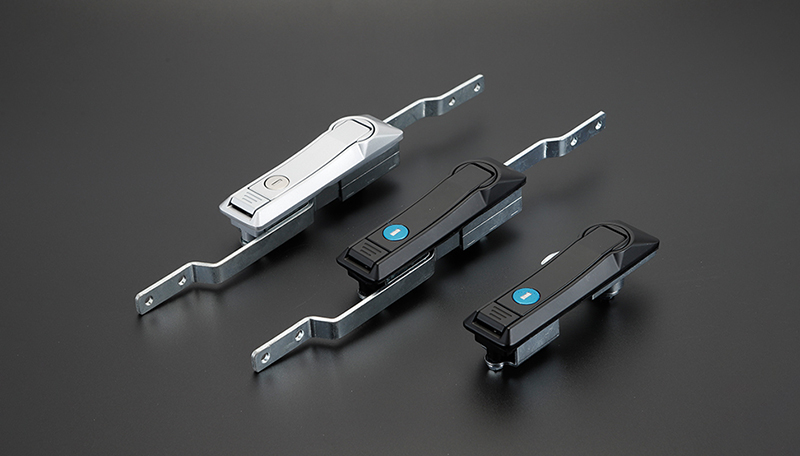
Rod lock

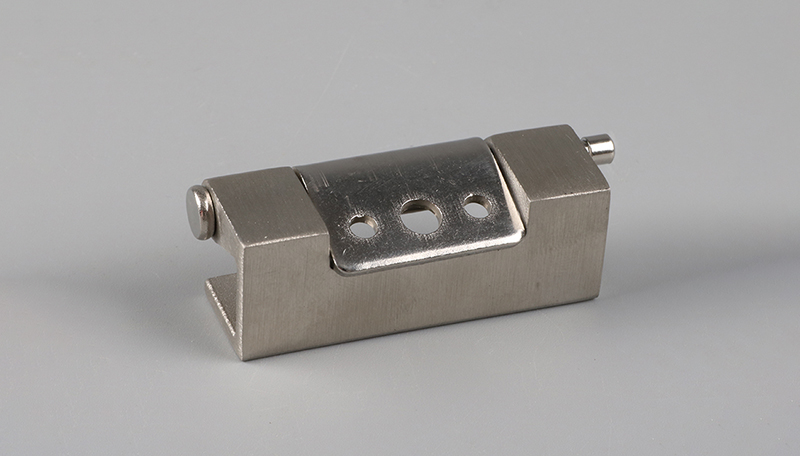
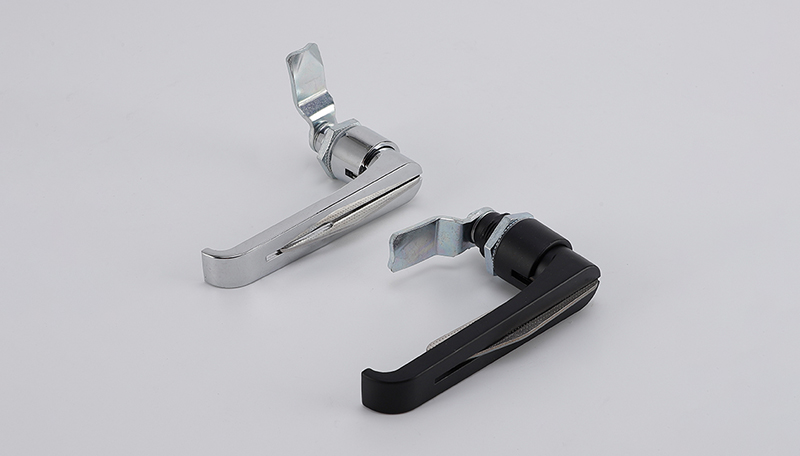
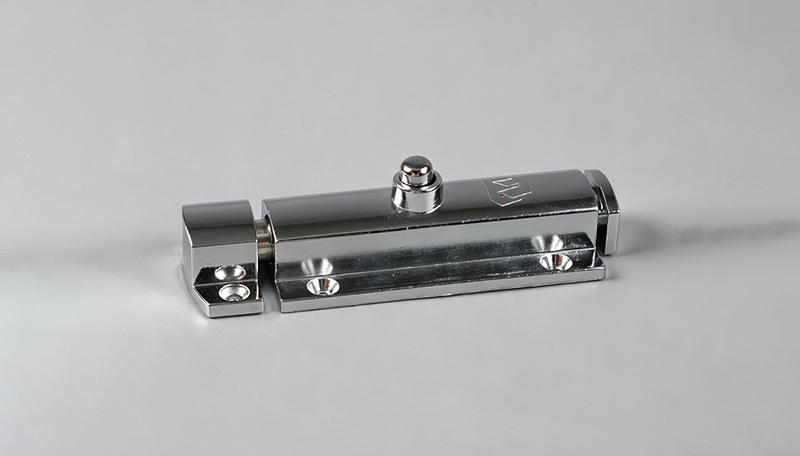
Rod Lock for Electricians - Fast Threaded Rod Install Solution
In today's fast-paced electrical installation market, Rod Lock solutions have become a go-to choice for contractors seeking speed, safety, and reliability. As labor costs rise, the industry is shifting toward tool-free, push-to-install suspension systems. Buyers often ask: Will it hold the required load? Is it compatible with standard threaded rods? Does it meet safety codes? This article answers these questions and explains why the right rod lock lowers total project cost.
Why Rod Lock Demand Is Growing
Traditional threaded rod suspension—cutting, threading, and tightening nuts—consumes significant labor hours. Rod Lock systems solve this by enabling push-to-install connections that lock securely onto standard threaded rods.
Modular construction, prefabricated electrical rooms, and data center build-outs have accelerated demand. These environments require repeatable, code-compliant support solutions installed quickly and consistently.
Key Industry Trends
- Labor shortage: Tool-free rod lock designs cut installation time significantly.
- Seismic and fire codes: Verified load ratings and code compliance are preferred over generic hardware.
- Corrosion resistance: Galvanized or stainless steel components are required in coastal, industrial, and humid projects.
- Prefabrication: Off-site assembly demands hardware that is easy to install, inspect, and standardize.
Industrial Applications: Distribution Cabinets, Rail Transit, and RVs
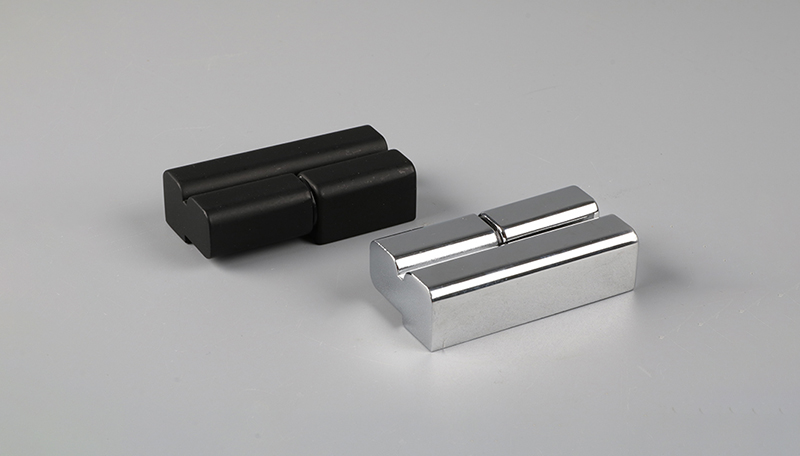
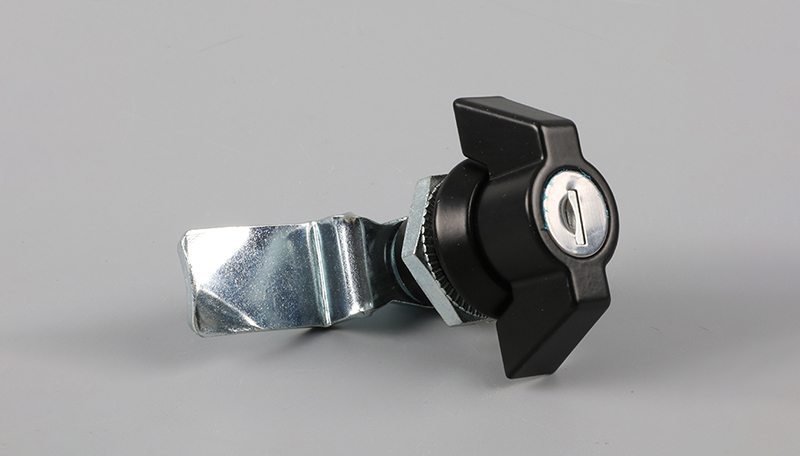
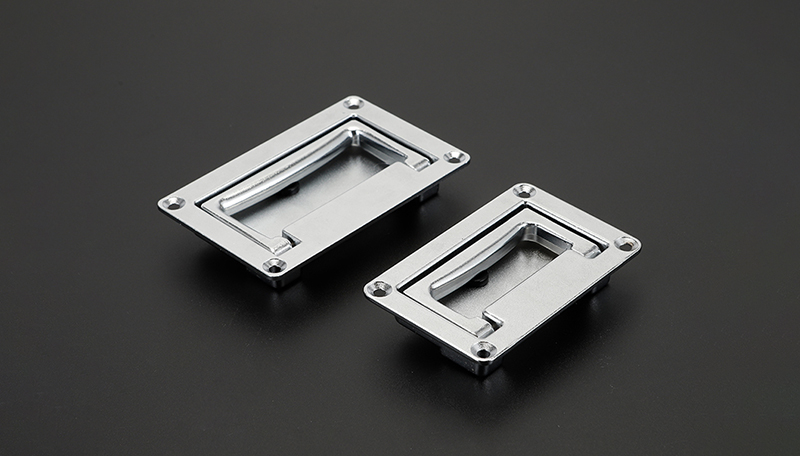
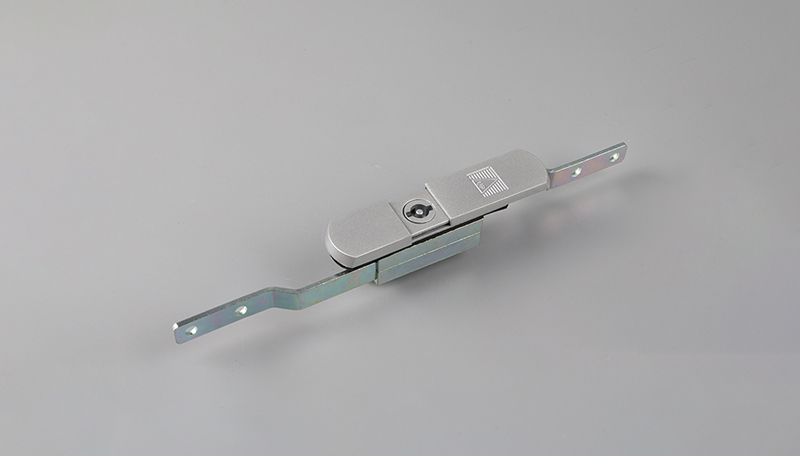
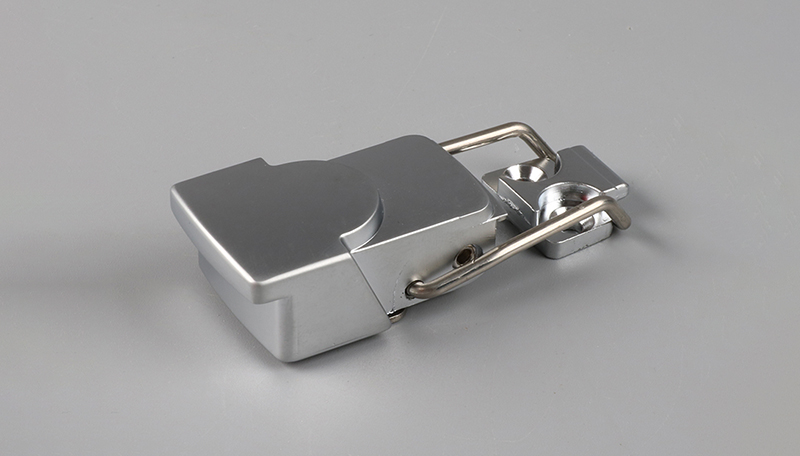
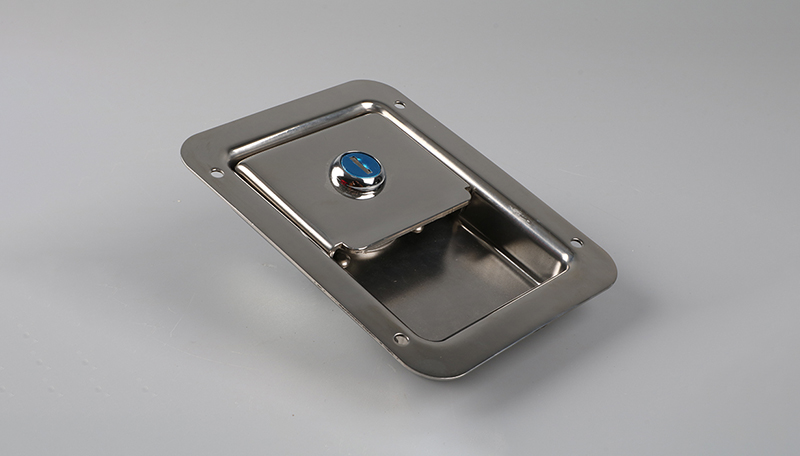
Rod lock and cabinet locking hardware are not one-size-fits-all. Industrial distribution cabinets require locks that resist vibration, moisture, and tampering. Rail transit (bullet train) electrical compartments demand hardware that stays secure under constant motion. RV power systems need corrosion-resistant locks that perform in outdoor and mobile conditions.
Renxin's locking hardware is engineered specifically for these environments, with options for IP-rated protection, anti-vibration locking assemblies, and flush handle designs that reduce accidental damage.
How to Choose the Right Rod Lock
- Application: Threaded rod suspension, conduit support, cable tray, or cabinet locking.
- Load Requirement: Match rated capacity to actual load with a safety margin.
- Environment: Choose corrosion-resistant finishes for outdoor or industrial use.
- Rod Size: Confirm compatibility with your threaded rod diameter.
- Certification: Verify test reports and compliance with local codes.
Frequently Asked Questions About Rod Lock
Is Rod Lock compatible with standard threaded rods?
Yes. Most designs fit standard diameters like 3/8", 1/2", and M10. Confirm rod size and thread type before ordering.
Does Rod Lock require special tools for installation?
No. Push-to-install designs are tool-free, cutting installation time significantly. Some models may need a simple hand tool for adjustment.
What load capacity does a Rod Lock support?
It varies by model and material. Always check the published safe working load (SWL) and apply a safety margin. For seismic or fire-rated use, verify local code compliance.
Conclusion
Rod Lock solutions are a practical response to labor shortages, tighter schedules, and stricter safety codes. For electrical contractors, HVAC installers, panel builders, and automation engineers, choosing the right rod lock reduces installation time, improves jobsite safety, and lowers total project cost.