Rod lock

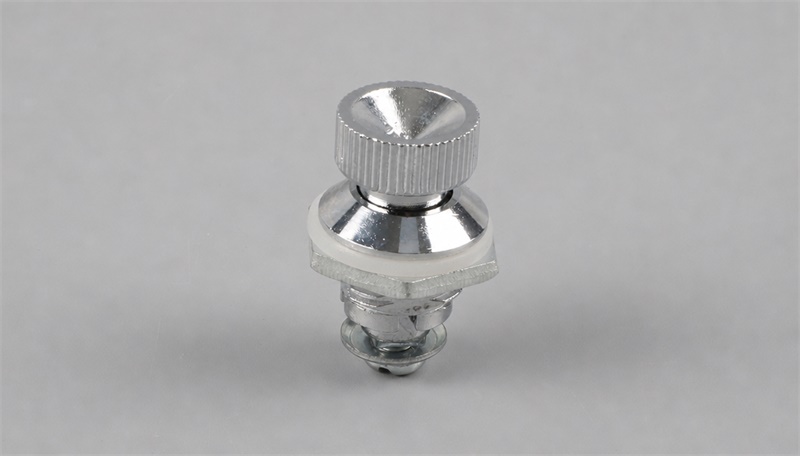
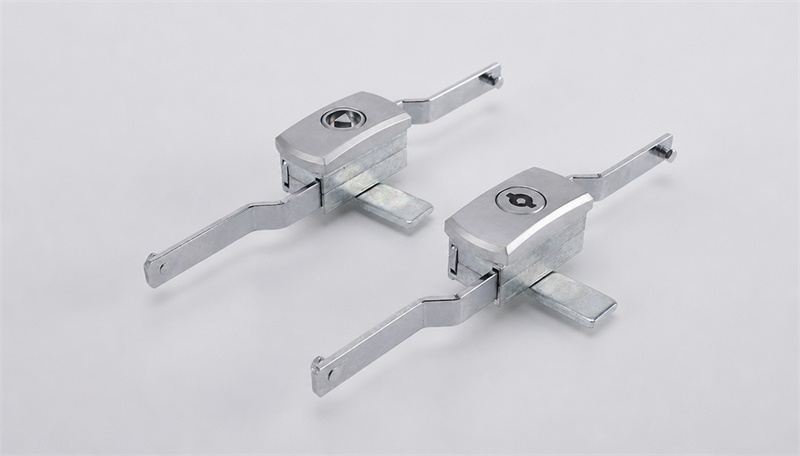
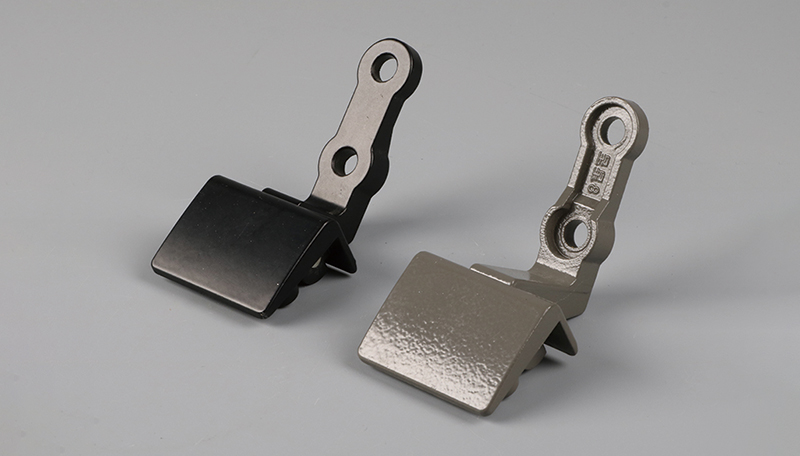
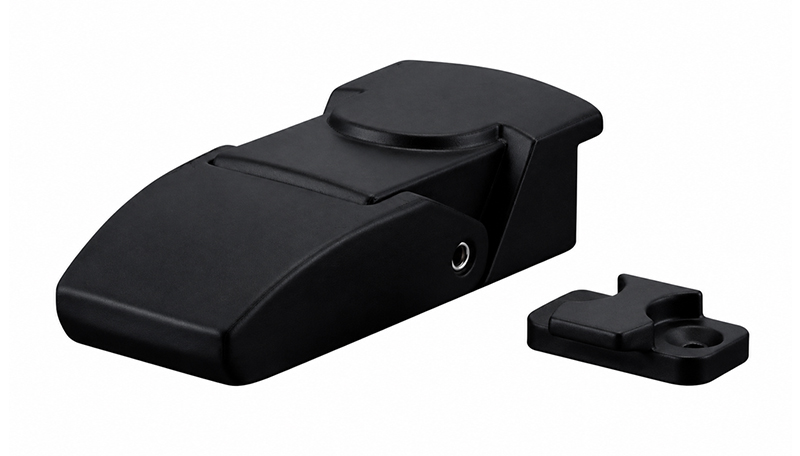
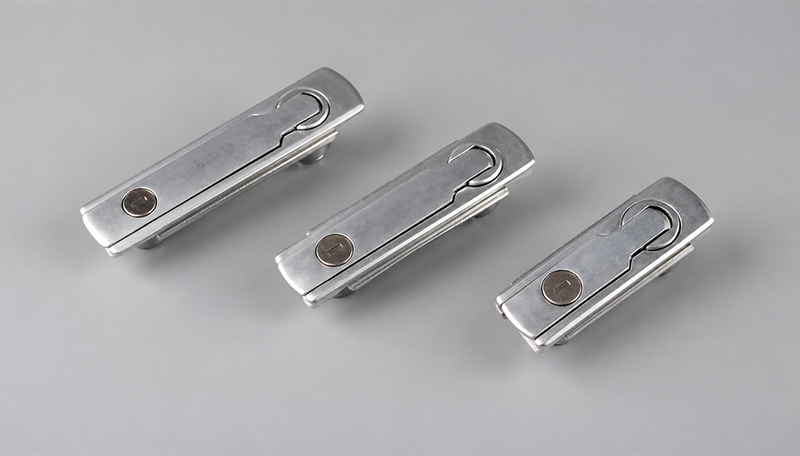
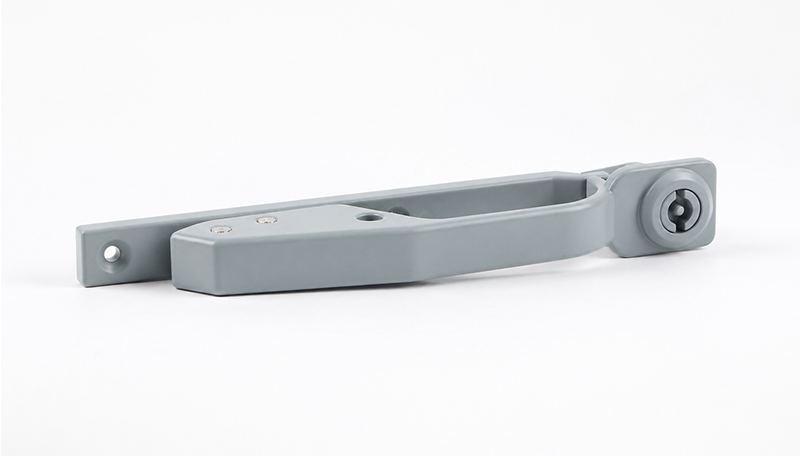
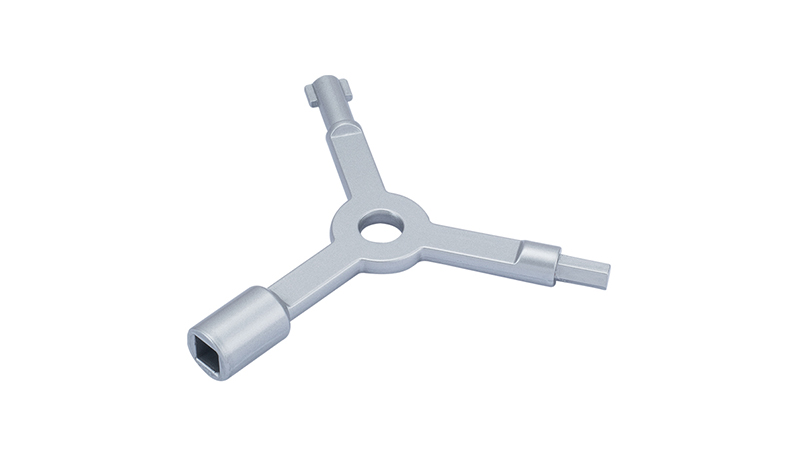
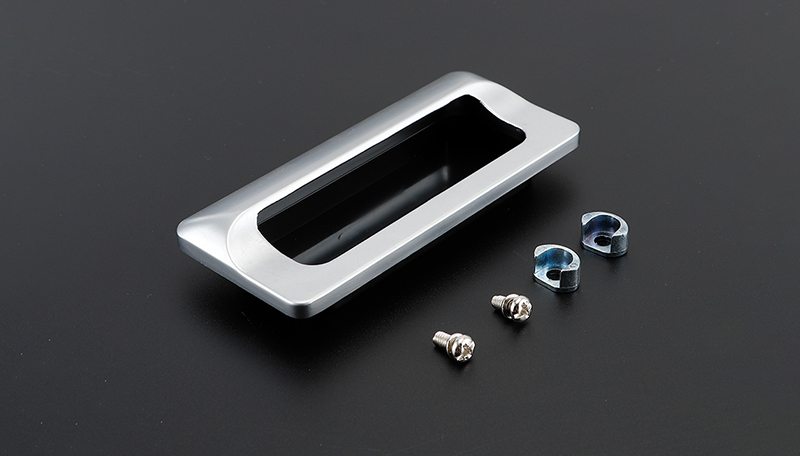
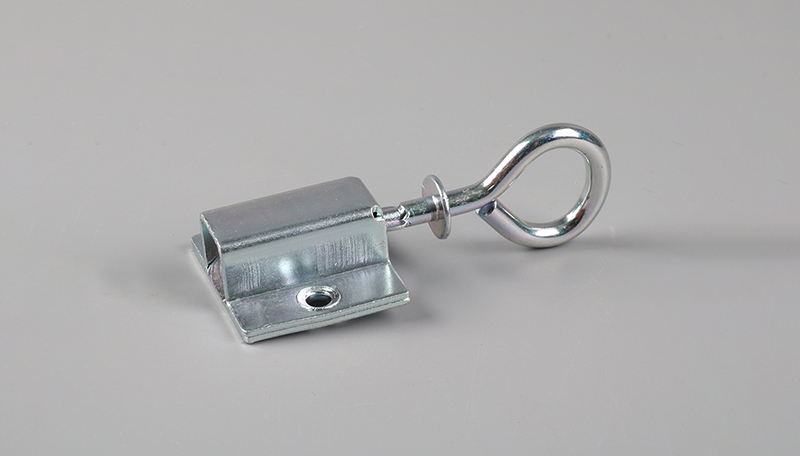
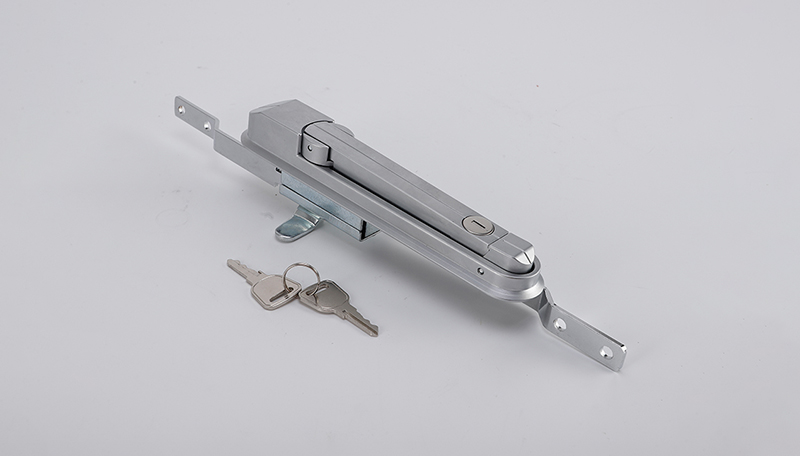
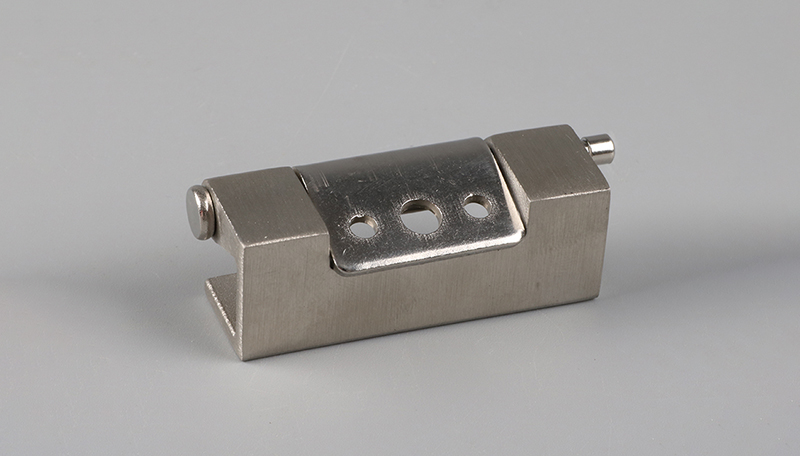
Hidden hinges are hardware components used across industrial settings, particularly on electrical distribution cabinets, transport systems such as trains and RVs, and various types of enclosures. Unlike conventional exposed hinges, they are designed to be concealed within door edges and panels, so they do not alter the appearance of the door. Owing to their material and mechanism, Stainless Steel Hidden Hinges are suitable for demanding environments with high requirements for safety, hygiene, and durability.
Industrial Applications of Stainless Steel Hidden Hinges
A primary use case is industrial equipment. Electrical cabinets such as control panels and switchgear cabinets need hinges with dependable operation, low maintenance, and strong corrosion resistance. Stainless steel performs reliably under moisture, dust, or chemical exposure, and the concealed design makes the hardware harder to target from outside.
Hidden hinges are also common on interior panels and access doors in trains, high-speed rail, RVs, and other transport equipment. The concealed design supports smooth operation in tight spaces, reduces injury risk from protruding hardware, and stainless steel keeps doors secure under sustained vibration. They are also found in machine housings, custom safes, and other industrial enclosures where long service life and safety matter.
Types of Stainless Steel Hidden Hinges for Industrial Use
Different hinge types address different industrial needs:
- Mortise Hidden Hinges: Often used for heavy-duty doors, including those on electrical cabinets. Mortising involves cutting recesses into both the cabinet frame and the door so the hinge sits flush.
- Pivot Hidden Hinges: Integrated into RV and rolling stock applications, these allow panels to operate smoothly without protruding parts.
- Heavy-Duty Hidden Butt Hinges: Frequently found on access panels in large equipment casings.
- Adjustable Soft-Close Hidden Hinges: Used in certain industries to reduce noise and help protect sensitive components from impact.
Key Benefits of Stainless Steel Hidden Hinges in Industry
Stainless Steel Hidden Hinges offer several practical advantages. Stainless steel provides strong resistance to rust, staining, and chemical attack, which matters for electrical cabinets exposed to harsh conditions. The concealed mounting reduces exposure of the hardware to tampering and to external environmental factors, though it should not be treated as a substitute for dedicated anti-tamper or security features.
They can also simplify maintenance. Because the hinge is shielded from dirt and moisture, inspection intervals may be extended and unplanned downtime reduced. In transport and RV applications, concealed hinges help keep doors secured during travel and vibration, while the flush profile preserves interior space.
A further benefit is appearance: industrial housings gain a cleaner, more seamless surface, which is generally easier to clean and offers fewer crevices for debris accumulation.
How to Select the Right Stainless Steel Hidden Hinges
When selecting the right hinge, consider the specific environmental conditions (such as exposure to chemicals or saltwater) and the required load-bearing capacity. Ensure the hinge grade (e.g., SS304 or SS316) matches your corrosion resistance needs. Additionally, verify the door weight against the hinge's load rating to ensure longevity and smooth operation.
Installation Tips for Industrial Distribution Cabinets
Installing industrial hidden hinges requires accurate measurement. Ensure cabinet doors and frames are properly aligned, and use mounting hardware appropriate for the stainless grade in use. Mortising is usually necessary for a flush installation; templates or manufacturer recommendations are reliable ways to maintain accuracy. Use screws compatible with the stainless steel to avoid galvanic corrosion.
For RV or transport vehicle doors, check the movement after installation to confirm smooth operation, and make adjustments needed to accommodate vibration. When installing multiple panels, standardized templates help improve efficiency and consistency.
FAQs: Stainless Steel Hidden Hinges in Industrial Settings
Why are Stainless Steel Hidden Hinges preferred for electrical distribution cabinets?
Can hidden hinges handle heavy doors or panels?
Are these hinges suitable for transportation use?
What maintenance do hidden hinges require?